

As a supplier of Eva Hot Adhesive Film, I've witnessed firsthand the diverse needs and applications of this remarkable product across various industries. Eva Hot Adhesive Film, known for its versatility and strong bonding capabilities, comes in different grades, each tailored to specific requirements. In this blog, I'll delve into the differences between these grades, helping you understand which one is best suited for your project.
Understanding Eva Hot Adhesive Film Basics
Before we explore the grade differences, let's briefly understand what Eva Hot Adhesive Film is. Eva, or ethylene-vinyl acetate, is a copolymer that forms the base of this adhesive film. When heated, it becomes tacky and can bond different materials together, such as fabrics, plastics, and metals. Once cooled, it solidifies, creating a durable bond.
Factors Affecting Grades
The grades of Eva Hot Adhesive Film are determined by several factors, including the vinyl acetate (VA) content, melting point, viscosity, and adhesion strength. These factors influence the film's performance in different applications.
Vinyl Acetate (VA) Content
The VA content in Eva Hot Adhesive Film is a crucial factor in determining its grade. Higher VA content generally results in a more flexible and softer film. Films with a VA content of 18 - 28% are considered low to medium VA grades. These grades are suitable for applications where flexibility is important, such as in the textile industry for bonding fabrics. They offer good adhesion to porous materials and are often used in the production of clothing, shoes, and upholstery.
On the other hand, high VA content grades, typically above 28%, are more elastic and have better low-temperature flexibility. They are ideal for applications that require the adhesive to withstand bending and stretching without losing its bond. For example, in the automotive industry, high VA grade Eva Hot Adhesive Film can be used to bond interior trim components that need to conform to different shapes.
Melting Point
The melting point of Eva Hot Adhesive Film varies depending on its grade. Low melting point grades, usually in the range of 70 - 90°C, are suitable for heat-sensitive materials. These grades can be applied at lower temperatures, reducing the risk of damage to the substrates. For instance, when bonding delicate fabrics or thin plastics, a low melting point grade ensures that the materials are not distorted or melted during the bonding process.
High melting point grades, with melting points above 100°C, are more suitable for applications that require high-temperature resistance. In the electronics industry, for example, high melting point Eva Hot Adhesive Film can be used to bond components that are exposed to elevated temperatures during operation.
Viscosity
Viscosity refers to the thickness or flowability of the molten adhesive. Low viscosity grades of Eva Hot Adhesive Film flow more easily when heated, making them suitable for applications where the adhesive needs to penetrate porous materials or fill gaps. They are often used in the paper and packaging industry for bonding cardboard and paper products.
High viscosity grades, on the other hand, are thicker and more resistant to flow. They are better suited for applications where the adhesive needs to stay in place and not spread too much. In the woodworking industry, high viscosity Eva Hot Adhesive Film can be used to bond wooden parts, providing a strong and precise bond.
Adhesion Strength
Adhesion strength is another important factor in determining the grade of Eva Hot Adhesive Film. Different grades offer varying levels of adhesion to different substrates. For example, some grades are specifically formulated to have strong adhesion to metals, while others are better suited for bonding plastics or fabrics.

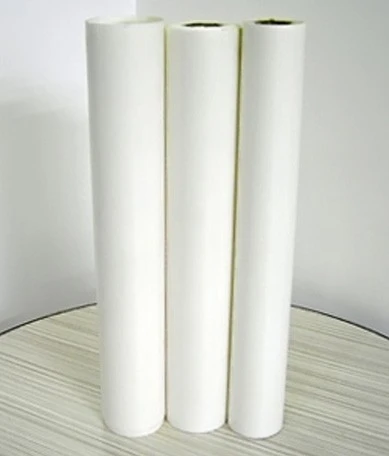
Grades with high adhesion strength are often used in applications where a permanent and reliable bond is required. In the construction industry, high adhesion grade Eva Hot Adhesive Film can be used to bond building materials, such as insulation panels and wall coverings.
Different Grades and Their Applications
Now that we understand the factors affecting the grades, let's look at some specific grades and their typical applications.
General-Purpose Grade
The general-purpose grade of Eva Hot Adhesive Film is a versatile option that offers a balance of properties. It usually has a medium VA content, moderate melting point, and good adhesion to a wide range of materials. This grade is commonly used in the packaging industry for sealing boxes and cartons. It can also be used in the DIY market for small bonding projects, such as repairing furniture or crafting.
Textile Grade
Textile grade Eva Hot Adhesive Film is designed specifically for the textile industry. It has a low to medium VA content, which provides flexibility and softness. This grade is often used for bonding fabrics, such as in the production of sportswear, lingerie, and outdoor clothing. It offers good wash and dry-clean resistance, ensuring that the bond remains intact even after repeated laundering.
Automotive Grade
Automotive grade Eva Hot Adhesive Film is engineered to meet the demanding requirements of the automotive industry. It has a high VA content for flexibility and good low-temperature performance. This grade is used for bonding interior trim components, such as door panels, seat covers, and dashboard parts. It can withstand the vibrations and temperature changes experienced in a vehicle, providing a long-lasting bond.
Food-Safe Grade
For applications in the food industry, Hot Melt Adhesives Food Safe grade Eva Hot Adhesive Film is required. This grade is formulated to meet strict food safety regulations. It has a low melting point and is free from harmful substances. It is commonly used for bonding food packaging materials, such as cardboard boxes and plastic films.
Choosing the Right Grade
Selecting the right grade of Eva Hot Adhesive Film depends on your specific application. Consider the following questions:
- What materials are you bonding? Different grades have better adhesion to certain materials, so choose a grade that is compatible with your substrates.
- What are the temperature requirements? If your application involves high or low temperatures, choose a grade with an appropriate melting point and temperature resistance.
- Does the bond need to be flexible or rigid? If flexibility is important, look for a grade with a higher VA content.
- Are there any regulatory requirements? For applications in industries such as food or electronics, make sure the grade meets the relevant regulations.
Conclusion
In conclusion, the different grades of Eva Hot Adhesive Film offer a wide range of properties and applications. Understanding the factors that affect the grades, such as VA content, melting point, viscosity, and adhesion strength, is crucial in choosing the right film for your project. As a Hot Melt Glue Manufacturer, we are committed to providing high-quality Eva Hot Adhesive Film in various grades to meet your specific needs.
If you're interested in learning more about our Eva Hot Adhesive Film products or need help choosing the right grade for your application, please don't hesitate to contact us. We're here to assist you in finding the perfect solution for your bonding requirements.
References
- "Handbook of Adhesives and Sealants" by Henry S. Katz and Allan W. Lee
- "Adhesive Bonding: Science, Technology, and Applications" by Louis H. Lee