

The aerospace industry is a realm where innovation and high - performance materials reign supreme. With the continuous pursuit of lighter, stronger, and more reliable components, new materials and technologies are constantly being explored and adopted. One such material that has piqued the interest of many in the industry is TPU adhesive film. As a supplier of TPU adhesive film, let's delve into the question: Can TPU adhesive film be used in the aerospace industry?
Properties of TPU Adhesive Film
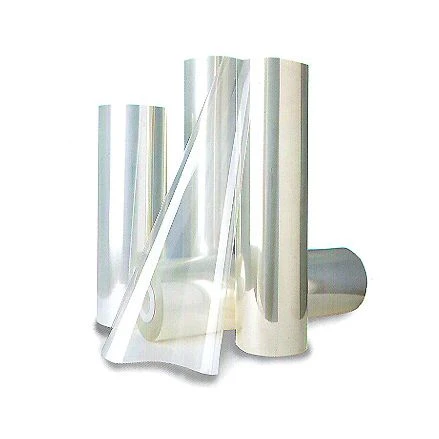
TPU, or thermoplastic polyurethane, is a versatile polymer that combines the properties of rubber and plastic. TPU adhesive films are made from this material and offer several advantageous characteristics.
Firstly, TPU adhesive films have excellent flexibility. They can conform to complex shapes and surfaces without losing their adhesive strength. This flexibility is crucial in the aerospace industry, where components often have intricate geometries. For example, when bonding internal insulation layers or flexible electronic components in an aircraft, a rigid adhesive might crack or fail under stress, but a TPU adhesive film can bend and stretch with the component, maintaining a secure bond.
Secondly, TPU adhesive films exhibit remarkable abrasion resistance. In the harsh environment of aerospace applications, parts are subject to a great deal of wear and tear. Whether it's due to the friction during take - off and landing or the high - speed airflow during flight, components need to withstand abrasion. TPU adhesive films can protect the bonded areas from damage, thereby increasing the longevity of the assembled parts.
Another significant property is its chemical resistance. Aerospace vehicles are exposed to a variety of chemicals, such as fuels, hydraulic fluids, and de - icing agents. TPU adhesive films can resist the corrosive effects of these chemicals, ensuring that the bond between components remains intact over time.

Potential Applications in the Aerospace Industry
- Interior Components
- In aircraft interiors, TPU adhesive films can be used for bonding decorative panels. The Hot - melt Adhesive Pvc Film for Laminating with Fabrics can be employed to attach fabric to plastic or metal substrates. This creates a seamless and aesthetically pleasing finish while providing a strong bond. For example, on seat covers or cabin wall linings, TPU adhesive films can ensure that the fabric stays firmly in place, even with frequent use and movement.
- Additionally, TPU adhesive films can be used for bonding insulation materials. Good insulation is essential for maintaining a comfortable temperature inside the aircraft cabin. TPU adhesive films can bond insulation materials like fiberglass or foam to the cabin structure, preventing heat transfer and reducing energy consumption.
- Exterior Components
- For exterior applications, TPU adhesive films can be used in the bonding of composite materials. Composite materials are widely used in modern aircraft construction due to their high strength - to - weight ratio. The Polyurethane Hot Melt Adhesive Film can be used to join different composite layers together. It can improve the overall structural integrity of the aircraft's wings, fuselage, or tail sections.
- They can also be used for attaching small external components such as antennas. These components need to be securely attached to the aircraft body to ensure proper communication and navigation. TPU adhesive films can provide a reliable bond that can withstand the high - speed airflow and vibrations during flight.
- Electronics and Wiring
- In the aerospace electronics systems, TPU adhesive films can play a vital role. With the increasing use of electronic components in aircraft, there is a need to protect the wiring and circuits. The Heat Melt Film can be used to encapsulate and bond wires together, preventing them from moving around and causing short - circuits. It can also provide a degree of insulation and protection against moisture and dust, which are common threats to electronic systems in the aerospace environment.
Challenges and Considerations
- High - Temperature Performance
- One of the main challenges in using TPU adhesive films in the aerospace industry is their high - temperature performance. During flight, some parts of the aircraft, such as the engine vicinity or areas exposed to solar radiation, can reach very high temperatures. While TPU adhesive films generally have good heat resistance, the extreme temperatures in aerospace environments may push the limits of their performance. Manufacturers need to develop TPU adhesive films with enhanced high - temperature stability to ensure reliable operation in these conditions.
- Regulatory Compliance
- The aerospace industry is highly regulated to ensure safety. Any material used in aerospace applications must meet strict regulatory standards. TPU adhesive films need to pass a series of tests, including flammability tests, toxicity tests, and mechanical property tests. Suppliers of TPU adhesive films need to work closely with regulatory bodies to ensure that their products meet all the necessary requirements.
- Cost - Effectiveness
- Developing and producing TPU adhesive films that meet the high - end requirements of the aerospace industry can be costly. The raw materials, manufacturing processes, and quality control measures all contribute to the overall cost. To be competitive in the aerospace market, suppliers need to find ways to optimize their production processes and reduce costs without sacrificing quality.
Our Role as a TPU Adhesive Film Supplier
As a TPU adhesive film supplier, we are committed to addressing these challenges. We invest in research and development to improve the high - temperature performance of our TPU adhesive films. Our R & D team is constantly experimenting with new formulations and additives to enhance the heat resistance of the films.
We also have a strict quality control system in place to ensure regulatory compliance. Every batch of our TPU adhesive films undergoes rigorous testing to meet the aerospace industry's standards. We work closely with regulatory authorities to stay updated on the latest requirements and ensure that our products are always in line with the regulations.
In terms of cost - effectiveness, we have optimized our manufacturing processes. By implementing advanced production techniques and efficient supply chain management, we are able to offer high - quality TPU adhesive films at a competitive price.
If you are in the aerospace industry and are looking for reliable TPU adhesive films, we encourage you to reach out to us for procurement and further discussions. Our experienced team can provide you with detailed product information, technical support, and customized solutions to meet your specific needs.
Conclusion
In conclusion, TPU adhesive films have great potential in the aerospace industry. Their unique properties such as flexibility, abrasion resistance, and chemical resistance make them suitable for a wide range of applications, from interior components to exterior structures and electronics. Although there are challenges to overcome, such as high - temperature performance, regulatory compliance, and cost - effectiveness, with the efforts of suppliers like us, these challenges can be addressed. We believe that TPU adhesive films will play an increasingly important role in the future of aerospace manufacturing.
References
- Smith, J. (2018). Advanced Materials in Aerospace Engineering. London: Aerospace Press.
- Johnson, A. (2019). Polymer Science and its Applications in High - Tech Industries. New York: Tech Books.
- Aerospace Industry Standards Handbook. (2020). International Aerospace Regulatory Committee.