

In the realm of advanced materials, Hydrophilic TPU (Thermoplastic Polyurethane) Film has emerged as a game - changer, especially in applications where both flexibility and moisture - management are crucial. As a leading Hydrophilic TPU Film supplier, I am often asked about the printing quality on this remarkable material. In this blog, I will delve into the intricacies of printing on Hydrophilic TPU Film, exploring the factors that influence printing quality and the best practices to achieve optimal results.
Understanding Hydrophilic TPU Film
Hydrophilic TPU Film is a type of thermoplastic polyurethane film that has been engineered to have a high affinity for water. This unique property makes it ideal for a wide range of applications, including medical devices, sports equipment, and outdoor gear. The film combines the flexibility and durability of TPU with the ability to absorb and release moisture, providing a comfortable and breathable experience.
One of the key advantages of Hydrophilic TPU Film is its biocompatibility, which makes it suitable for use in medical applications. For instance, it can be used in wound dressings, where its hydrophilic nature helps to promote a moist wound environment, which is conducive to faster healing. You can learn more about Thermoplastic (TPU) Film Based Medical Devices and Thermoplastic (TPU) Film Based Medical Devices on our website.
Factors Affecting Printing Quality
The printing quality on Hydrophilic TPU Film is influenced by several factors, including the type of printing method, the ink used, and the surface properties of the film.
Printing Methods
There are several printing methods that can be used on Hydrophilic TPU Film, each with its own advantages and limitations.
- Screen Printing: Screen printing is a popular method for printing on TPU Film. It involves forcing ink through a mesh screen onto the film surface. This method is suitable for printing large areas and can produce high - quality, durable prints. However, it may not be as precise as other methods, and the setup time can be relatively long.
- Digital Printing: Digital printing offers high precision and the ability to print complex designs. It uses inkjet technology to apply ink directly to the film surface. Digital printing is ideal for short - run production and can produce detailed and vibrant prints. However, the cost per print can be higher compared to screen printing.
- Flexographic Printing: Flexographic printing is a high - speed printing method that uses a flexible relief plate to transfer ink onto the film. It is suitable for printing large volumes of labels and packaging. Flexographic printing can produce high - quality prints with good color saturation, but it may require more setup time and expertise.
Ink Selection
The choice of ink is crucial for achieving good printing quality on Hydrophilic TPU Film. The ink must be compatible with the film's surface and have good adhesion properties. There are several types of inks available for printing on TPU Film, including solvent - based, water - based, and UV - curable inks.
- Solvent - based Inks: Solvent - based inks offer good adhesion and durability. They are suitable for printing on a wide range of materials, including Hydrophilic TPU Film. However, they contain volatile organic compounds (VOCs), which can be harmful to the environment and human health.
- Water - based Inks: Water - based inks are a more environmentally friendly option. They have low VOC emissions and are easy to clean up. However, they may require a longer drying time and may not have the same level of durability as solvent - based inks.
- UV - curable Inks: UV - curable inks are cured by exposure to ultraviolet light. They offer fast drying times, high - quality prints, and good adhesion. UV - curable inks are also resistant to scratches and chemicals, making them suitable for applications where durability is important.
Surface Properties of the Film
The surface properties of Hydrophilic TPU Film can also affect the printing quality. The film's surface energy, roughness, and moisture content can all influence the adhesion of the ink.
- Surface Energy: The surface energy of the film determines how well the ink will spread and adhere to the surface. A higher surface energy generally results in better ink adhesion. Surface treatments, such as corona treatment or plasma treatment, can be used to increase the surface energy of the film.
- Roughness: The roughness of the film surface can affect the print quality. A smoother surface generally results in better print resolution and clarity. However, a certain level of roughness may be beneficial for improving ink adhesion.
- Moisture Content: The moisture content of the film can also affect the printing quality. Excessive moisture can cause the ink to bleed or not adhere properly. It is important to ensure that the film is properly dried before printing.
Best Practices for Printing on Hydrophilic TPU Film
To achieve optimal printing quality on Hydrophilic TPU Film, it is important to follow some best practices.
Prepare the Film
Before printing, the film should be cleaned and dried to remove any dirt, dust, or moisture. This can be done using a mild detergent and a soft cloth. It is also recommended to perform a surface treatment, such as corona treatment or plasma treatment, to increase the surface energy of the film and improve ink adhesion.
Select the Right Printing Method and Ink
Choose the printing method and ink that are most suitable for your application. Consider factors such as the design complexity, production volume, and desired durability. If you are unsure which method or ink to use, consult with a printing expert or the ink manufacturer.
Control the Printing Environment
The printing environment can have a significant impact on the printing quality. The temperature and humidity should be controlled to ensure consistent drying and curing of the ink. It is also important to minimize dust and other contaminants in the printing area.
Test and Optimize
Before starting a large - scale printing project, it is recommended to perform a test print on a small sample of the film. This will allow you to evaluate the printing quality and make any necessary adjustments to the printing parameters, such as the ink density, printing speed, and curing time.
Applications of Printed Hydrophilic TPU Film
Printed Hydrophilic TPU Film has a wide range of applications in various industries.
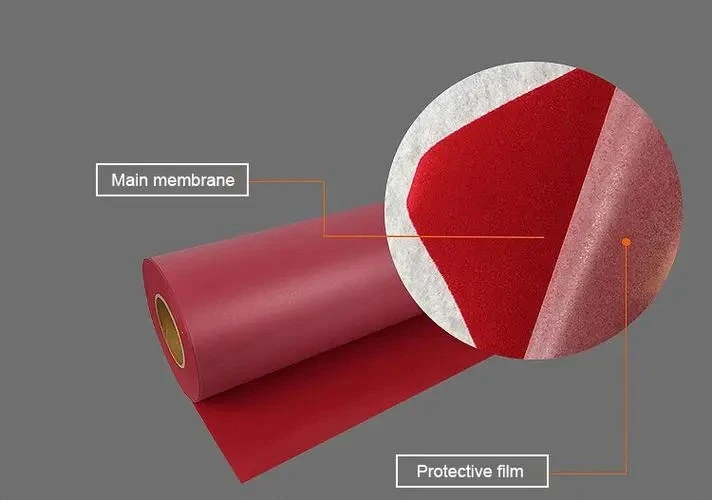

Medical Applications
In the medical field, printed Hydrophilic TPU Film can be used in wound dressings, medical devices, and diagnostic equipment. The ability to print custom designs and labels on the film can help to improve the identification and functionality of these products. You can find more information about TPU Film Used In Medical on our website.
Sports and Outdoor Gear
Printed Hydrophilic TPU Film is also used in sports and outdoor gear, such as athletic apparel, footwear, and backpacks. The film's moisture - management properties and the ability to print vibrant designs make it a popular choice for these applications.
Packaging
In the packaging industry, printed Hydrophilic TPU Film can be used for product labels, flexible packaging, and promotional materials. The high - quality prints and the film's durability make it an attractive option for packaging applications.
Conclusion
Printing on Hydrophilic TPU Film offers a unique combination of functionality and aesthetics. By understanding the factors that affect printing quality and following the best practices, it is possible to achieve high - quality prints that meet the requirements of various applications.
As a Hydrophilic TPU Film supplier, we are committed to providing our customers with the highest quality products and technical support. If you are interested in learning more about our Hydrophilic TPU Film or have any questions about printing on this material, please feel free to contact us. We look forward to discussing your specific needs and helping you find the best solution for your printing requirements.
References
- "Handbook of Thermoplastic Elastomers" by Brian M. Walker
- "Polyurethane Elastomers" by K. C. Frisch and H. K. Frisch
- "Surface Treatment of Polymers for Adhesion" by J. D. Minford