

Hey there! As a supplier of Polyurethane Film, I often get asked how to choose the right polyurethane film for a specific application. It's a crucial question, especially since polyurethane films are used in a wide range of industries, from outdoor covers to medical products. In this blog, I'll share some tips and insights to help you make the best choice for your needs.
Understanding Polyurethane Film
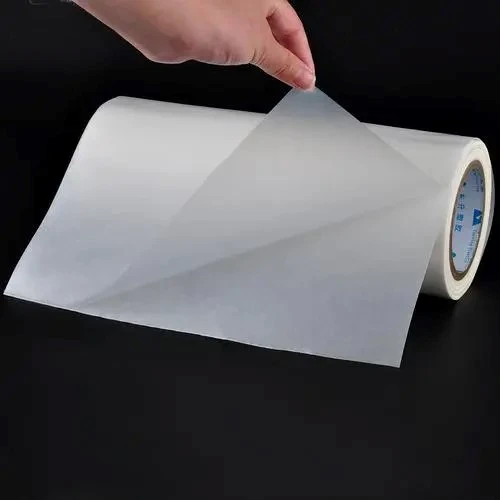
First off, let's quickly go over what Polyurethane Film is. Polyurethane is a versatile polymer that can be formulated into films with different properties. These films are known for their flexibility, durability, and resistance to abrasion, chemicals, and UV light. They come in various thicknesses, hardness levels, and surface finishes, which makes them suitable for a diverse set of applications.
Factors to Consider When Choosing Polyurethane Film
1. Application Environment
The environment where the film will be used is a major factor. For instance, if you're looking for a Polyurethane Film for Outdoor Cover, you need a film that can withstand harsh weather conditions. UV resistance is crucial here to prevent the film from breaking down or discoloring over time. You'll also want a film that is water-resistant and can handle temperature variations.
On the other hand, if the application is indoors, such as in a manufacturing process or for a decorative purpose, you might prioritize other properties like clarity or ease of printing. For example, in a cleanroom environment, you'll need a film that is low in particulate generation.
2. Physical Properties
- Thickness: The thickness of the polyurethane film affects its strength, flexibility, and durability. Thicker films are generally more robust and can withstand more stress, but they may be less flexible. Thinner films, on the other hand, are more pliable and can be used for applications where flexibility is key, like in some medical applications.
- Hardness: Measured on the Shore scale, the hardness of the film determines its resistance to indentation and abrasion. Softer films (lower Shore hardness) are more flexible and can conform to irregular surfaces, while harder films (higher Shore hardness) are more rigid and offer better wear resistance.
- Tensile Strength and Elongation: Tensile strength refers to the maximum stress a film can withstand before breaking, while elongation is the percentage of stretch the film can undergo before it tears. For applications that require the film to stretch or be under tension, like in some packaging or textile applications, high tensile strength and elongation are important.
3. Chemical Resistance
Depending on the application, the film may come into contact with various chemicals. If it's used in a chemical manufacturing process or for storing chemical products, you need a film that is resistant to the specific chemicals involved. For example, some polyurethane films are resistant to oils, solvents, and acids, while others may not be. Make sure to check the chemical compatibility of the film with the substances it will encounter.
4. Adhesion and Bonding
If the film needs to be bonded to another material, like in laminating processes or when attaching it to a substrate, good adhesion is essential. Consider the type of adhesive that will be used and whether the film surface can be treated to improve adhesion. Some films come with a pre - treated surface for better bonding.
5. Cost
Cost is always a consideration. While you don't want to compromise on quality, you also need to find a film that fits your budget. Compare the prices of different polyurethane films based on their properties and performance. Sometimes, a slightly more expensive film may offer better long - term value due to its durability and fewer replacement needs.
Specific Applications and Suitable Polyurethane Films
Medical Applications
In the medical field, Polyurethane Film Medical is used for a variety of purposes, such as wound dressings, medical device packaging, and catheter coatings. For wound dressings, the film needs to be breathable to allow moisture vapor transmission, biocompatible to avoid allergic reactions, and flexible to conform to the body's contours. Films with a low Shore hardness and high elongation are often preferred.
In medical device packaging, the film should be able to protect the device from contamination, have good barrier properties against moisture and oxygen, and be easy to sterilize. Some medical - grade polyurethane films are designed to withstand common sterilization methods like gamma radiation or ethylene oxide.

Outdoor Covers
For outdoor covers, as mentioned earlier, UV resistance, water resistance, and durability are key. A thick, hard - wearing film with good UV stabilizers is ideal. These films can be used to cover boats, cars, and outdoor equipment, protecting them from the elements. They should also be able to resist tearing and puncturing, especially if they are exposed to rough surfaces or debris.
Packaging
In packaging applications, the film's clarity, flexibility, and barrier properties are important. For food packaging, it needs to be food - grade and have good oxygen and moisture barrier properties to keep the food fresh. Polyurethane films can also be used for industrial packaging, where they offer protection against scratches, abrasion, and moisture.
Making the Final Decision
Once you've considered all the factors and determined the requirements for your specific application, it's time to make a decision. It's a good idea to request samples from different suppliers and test them in your actual application. This way, you can see how the film performs in real - world conditions and make a more informed choice.
If you're still unsure or need more technical advice, don't hesitate to reach out to us. As a Polyurethane Film supplier, we have a team of experts who can help you find the perfect film for your needs. We can provide detailed product information, answer your questions, and even assist with custom - formulating a film if necessary.
Whether you're in the medical, outdoor, packaging, or any other industry, choosing the right polyurethane film can make a big difference in the performance and longevity of your products. So take the time to do your research, test the samples, and make the best choice for your application.
If you're interested in purchasing Polyurethane Film for your specific application, we'd love to have a chat with you. We can discuss your requirements in detail, provide you with a quote, and guide you through the procurement process. Contact us to start the conversation and find the perfect Polyurethane Film solution for you.
References
- "Polyurethane Handbook" by G. Oertel
- Industry standards and guidelines related to polyurethane films in different applications