

Hey there! As a supplier of polyether-based TPU film, I often get asked about how to test the quality of this amazing material. Polyether-based TPU film is super versatile, used in a bunch of different industries like outdoor gear, hospital mattresses, and stuff that needs UV protection. In this blog, I'll share some practical ways to test its quality, so you can make sure you're getting the best product.
Physical Appearance Inspection
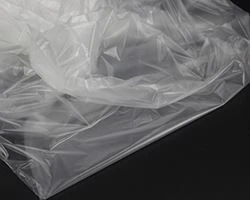
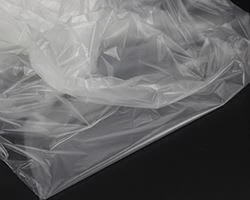
First off, a simple visual check can tell you a lot. When you get a roll of polyether-based TPU film, take a good look at it. Check for any obvious defects like scratches, holes, or uneven surfaces. A high-quality film should be smooth and free of any visible blemishes. If you see any discoloration, that could be a sign of poor manufacturing or aging.
Another thing to look at is the transparency. Depending on the application, you might want a clear film. A good polyether-based TPU film should have consistent transparency across the entire sheet. If there are cloudy or hazy spots, it could affect the performance, especially in applications where clarity is important.
Tensile Strength Testing
Tensile strength is a crucial factor when it comes to polyether-based TPU film. This measures how much stress the film can handle before it breaks. You can use a tensile testing machine for this. Cut a sample of the film into a standard shape, usually a dumbbell shape, and then place it in the machine.
The machine will slowly pull the sample apart, and it'll record the force required to break it. A high-quality polyether-based TPU film should have a decent tensile strength. If the film breaks easily under a relatively low force, it might not be suitable for applications where it'll be under stress, like in outdoor equipment. For example, TPU Film for Outdoor needs to be strong enough to withstand wind, rain, and other environmental factors.
Elongation at Break Test
Along with tensile strength, elongation at break is also important. This test measures how much the film can stretch before it breaks. Just like the tensile strength test, you use a sample of the film in a tensile testing machine.
As the machine pulls the sample, it'll measure the percentage of elongation at the point of breakage. A good polyether-based TPU film should have a high elongation at break. This means it can stretch without breaking, which is useful in applications where the film needs to conform to different shapes. For instance, in hospital mattresses, TPU Film for Hospital Mattresses needs to be able to stretch as the patient moves around.
Hardness Testing
Hardness is another key aspect of polyether-based TPU film. You can use a durometer to measure the hardness. There are different types of durometers, but for TPU film, a Shore A durometer is commonly used.
Press the durometer onto the film, and it'll give you a reading. The hardness of the film can affect its feel, flexibility, and resistance to wear. For example, a harder film might be more resistant to scratches, but it could also be less flexible. You need to choose the right hardness based on the specific application. In UV protection applications, UV Protection TPU Film might need a certain level of hardness to maintain its shape and protection properties.
Chemical Resistance Testing
Polyether-based TPU film might come into contact with various chemicals depending on its application. So, it's important to test its chemical resistance. You can do this by exposing samples of the film to different chemicals for a certain period of time.
After the exposure, check for any changes in the film's appearance, such as swelling, discoloration, or loss of strength. A high-quality film should be able to resist common chemicals. For example, in a hospital environment, the film used in mattresses might come into contact with disinfectants and cleaning agents, so it needs to be chemically resistant.
Thermal Resistance Testing
Thermal resistance is also a big deal. You can use a thermal analyzer to test how the film behaves at different temperatures. Heat the sample of the film gradually and observe any changes.
A good polyether-based TPU film should have a high melting point and should be able to maintain its properties over a wide range of temperatures. In outdoor applications, the film might be exposed to extreme heat during the day and cold at night, so it needs to be thermally stable.
Abrasion Resistance Testing
Abrasion resistance is important, especially in applications where the film will be rubbed against other surfaces. You can use an abrasion testing machine to simulate this. Place the film sample on the machine and rub it against an abrasive material for a set number of cycles.
After the test, check the film for any signs of wear, such as thinning or loss of surface finish. A high-quality polyether-based TPU film should have good abrasion resistance, so it can last longer in high-wear environments.
Adhesion Testing
If the polyether-based TPU film is going to be bonded to other materials, adhesion testing is necessary. You can use a peel test to measure the strength of the bond between the film and the substrate.
Cut a sample of the bonded film and substrate and then use a testing machine to peel the film off at a constant rate. The machine will record the force required to peel the film. A strong adhesion is important to ensure the film stays in place and performs its function properly.
Conclusion
Testing the quality of polyether-based TPU film is essential to ensure it meets the requirements of different applications. By conducting these tests, you can make sure you're getting a high-quality product that will perform well and last a long time.
If you're in the market for polyether-based TPU film and want to learn more about our products or have any questions about quality testing, feel free to reach out. We're always happy to help you find the right film for your needs and discuss the testing results to give you peace of mind.
References
- ASTM International standards for plastics testing
- Technical literature from TPU film manufacturers