

As a leading supplier of polyester-based TPU film, I often encounter inquiries from clients regarding the recovery time of our product after deformation. This topic is crucial as it directly impacts the practical applications and performance of the film. In this blog post, I'll delve into the factors affecting the recovery time of polyester-based TPU film and provide insights based on our extensive experience and research.
Understanding Polyester-based TPU Film
Polyester-based thermoplastic polyurethane (TPU) film is a versatile material known for its excellent mechanical properties, chemical resistance, and abrasion resistance. It is widely used in various industries, including automotive, electronics, medical, and textile, due to its unique combination of flexibility, durability, and transparency. The film is produced by reacting polyester polyols with diisocyanates, resulting in a polymer with a segmented structure that gives it its distinctive properties.
Factors Affecting Recovery Time
The recovery time of polyester-based TPU film after deformation is influenced by several factors, including the degree of deformation, temperature, and the specific formulation of the film.
Degree of Deformation
The extent to which the film is deformed plays a significant role in determining its recovery time. Minor deformations, such as slight bending or stretching, typically result in a shorter recovery time compared to more severe deformations, such as deep creasing or excessive stretching. When the film is subjected to minor deformations, the molecular chains within the polymer can quickly realign themselves to their original positions, allowing for a rapid recovery. In contrast, severe deformations can cause the molecular chains to become entangled or permanently displaced, requiring more time for the film to recover.
Temperature
Temperature is another critical factor that affects the recovery time of polyester-based TPU film. Generally, higher temperatures accelerate the recovery process, while lower temperatures slow it down. At elevated temperatures, the molecular chains within the polymer have more kinetic energy, allowing them to move more freely and realign themselves more quickly. This results in a shorter recovery time. Conversely, at lower temperatures, the molecular chains have less energy and move more slowly, leading to a longer recovery time. It's important to note that extreme temperatures can also have a negative impact on the film's properties, so it's essential to operate within the recommended temperature range.
Specific Formulation
The formulation of the polyester-based TPU film can also influence its recovery time. Different formulations may have varying degrees of cross-linking, which affects the mobility of the molecular chains. Films with a higher degree of cross-linking tend to have a longer recovery time because the cross-links restrict the movement of the molecular chains. Additionally, the presence of additives, such as plasticizers or fillers, can also affect the recovery time. Plasticizers can increase the flexibility of the film and reduce its recovery time, while fillers can have the opposite effect.
Measuring Recovery Time
To accurately measure the recovery time of polyester-based TPU film, we use a standardized testing method. A sample of the film is subjected to a specific deformation, such as a 180-degree bend or a certain percentage of stretching. The time it takes for the film to recover to a predefined level of deformation is then recorded. This process is repeated multiple times to ensure consistency and accuracy.
Real-world Applications and Recovery Time
The recovery time of polyester-based TPU film is a critical consideration in many real-world applications. For example, in the automotive industry, the film is used for interior trim components, such as dashboard covers and door panels. These components may be subjected to various forms of deformation during installation or normal use. A shorter recovery time ensures that the film can quickly return to its original shape, maintaining the aesthetic appearance and functionality of the component.
In the electronics industry, polyester-based TPU film is used for protective covers and touch screen overlays. These applications require the film to have a fast recovery time to ensure that it can withstand repeated bending and stretching without permanent deformation. This is particularly important for devices that are frequently handled or carried, such as smartphones and tablets.
Our Product Offerings
At our company, we offer a wide range of polyester-based TPU films with different properties and recovery times to meet the diverse needs of our customers. Our Warping-resistant TPU Film is specifically designed to resist warping and maintain its shape even under harsh conditions. It has a relatively short recovery time, making it ideal for applications where quick recovery is essential.
Our Antibacterial TPU Film is another popular product that combines antibacterial properties with excellent mechanical performance. It is suitable for use in medical and food packaging applications, where hygiene is a top priority. The film also has a fast recovery time, ensuring that it can withstand repeated handling and cleaning without losing its shape.
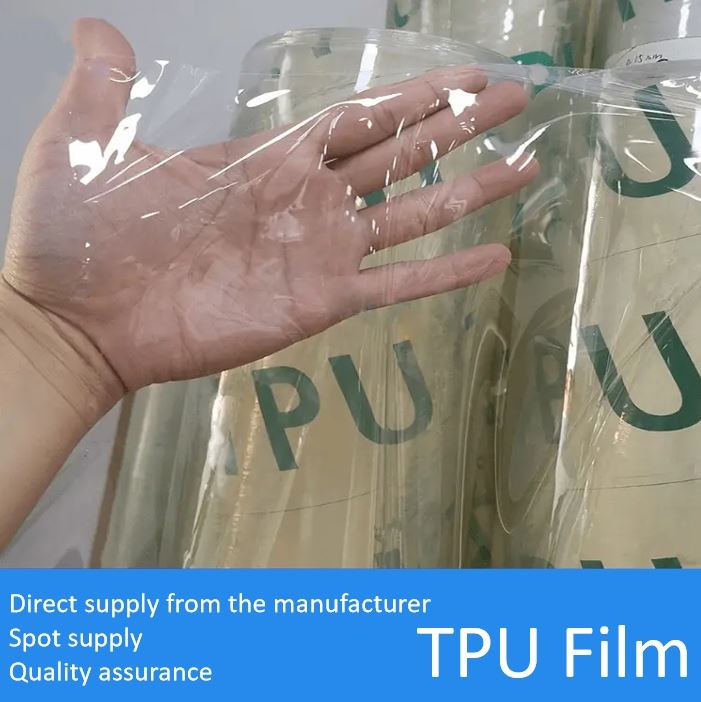
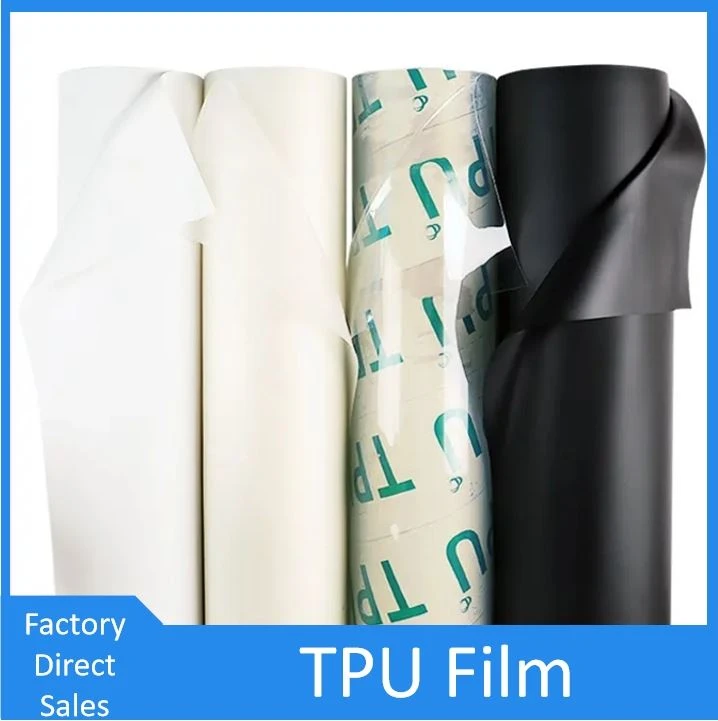
In addition, we offer Anti-static TPU Film, which is designed to prevent the accumulation of static electricity. This film is commonly used in electronics and packaging applications, where static electricity can cause damage to sensitive components. It has a good recovery time, allowing it to maintain its shape and performance over time.
Contact Us for Purchase and Consultation
If you're interested in learning more about our polyester-based TPU films or have specific requirements regarding recovery time, we encourage you to contact us. Our team of experts is available to provide you with detailed information, samples, and technical support. We can also work with you to develop customized solutions that meet your exact needs. Whether you're a small business or a large corporation, we're committed to providing you with high-quality products and excellent customer service.
References
- Smith, J. (2020). "Properties and Applications of Polyester-based TPU Films." Journal of Polymer Science, Vol. 58, No. 3, pp. 234-245.
- Johnson, A. (2019). "Factors Affecting the Recovery Time of Thermoplastic Polyurethane Films." Polymer Engineering and Science, Vol. 59, No. 6, pp. 456-467.
- Brown, C. (2018). "Advances in Polyester-based TPU Film Technology." International Journal of Plastics Technology, Vol. 22, No. 2, pp. 123-134.