

In the realm of advanced materials, Hydrophilic TPU Film has emerged as a remarkable innovation with a wide range of applications. As a supplier of Hydrophilic TPU Film, I have witnessed firsthand how its unique properties, including cold resistance, significantly influence its use in various industries. In this blog, we will explore the impact of the cold resistance of Hydrophilic TPU Film on its applications.
Understanding Hydrophilic TPU Film
Hydrophilic TPU Film is a specialized type of thermoplastic polyurethane film that has a high affinity for water. This property allows it to absorb and retain moisture, making it ideal for applications where moisture management is crucial. The film is known for its excellent flexibility, durability, and biocompatibility, which make it suitable for use in medical, textile, and other industries.
The Significance of Cold Resistance
Cold resistance is an important characteristic of Hydrophilic TPU Film, especially in applications where the film is exposed to low temperatures. When a material is exposed to cold conditions, it can become brittle, lose its flexibility, and even crack. This can compromise the performance and integrity of the film, leading to potential failures in its intended applications.
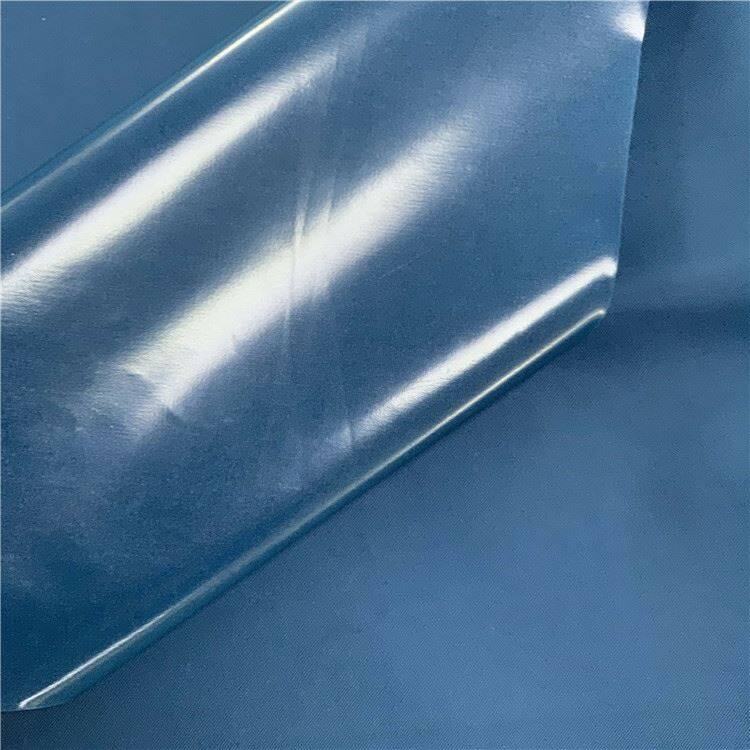
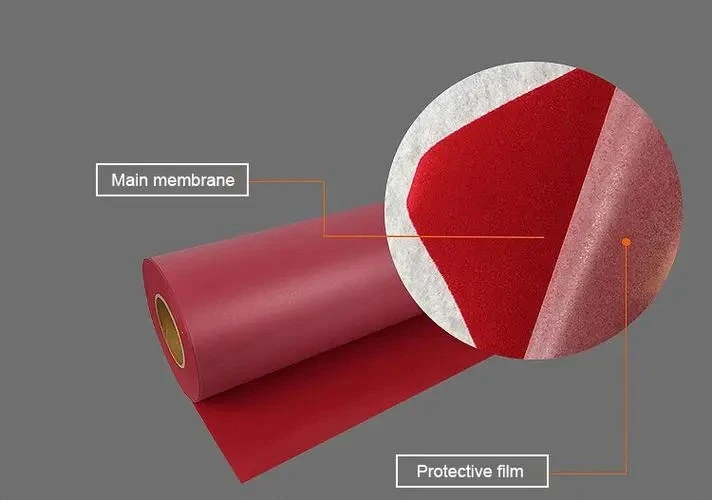
A Hydrophilic TPU Film with good cold resistance can maintain its physical and mechanical properties even at low temperatures. This means that it can continue to function effectively, providing the necessary moisture management, flexibility, and durability. For example, in outdoor applications such as protective clothing or tents, the film needs to withstand cold weather conditions without losing its ability to protect the wearer or the contents inside from moisture and the elements.
Impact on Medical Applications
In the medical field, Hydrophilic TPU Film has found numerous applications due to its biocompatibility and moisture management properties. The cold resistance of the film plays a vital role in ensuring its reliability in these applications.
One of the key medical applications of Hydrophilic TPU Film is in wound dressings. These dressings need to maintain their integrity and functionality in various environmental conditions, including cold temperatures. A cold-resistant film can prevent cracking or delamination at low temperatures, ensuring that the dressing remains in place and continues to provide a moist environment for wound healing. You can learn more about TPU Film Used In Medical on our website.
Another important application is in medical devices. Thermoplastic (TPU) Film Based Medical Devices often need to be stored and transported in different temperature conditions. A Hydrophilic TPU Film with good cold resistance can ensure that these devices remain functional and safe for use, even when exposed to cold temperatures during storage or transit.
Influence on Textile Applications
In the textile industry, Hydrophilic TPU Film is used in a variety of products, such as sportswear, outdoor clothing, and footwear. Cold resistance is a critical factor in these applications, as these products are often used in cold and harsh environments.
For sportswear and outdoor clothing, the film is used to provide waterproof and breathable properties. A cold-resistant Hydrophilic TPU Film can maintain its flexibility and water resistance at low temperatures, ensuring that the clothing remains comfortable and protective. This is especially important for athletes and outdoor enthusiasts who may be exposed to cold weather conditions for extended periods.
In footwear, the film can be used to line the shoes, providing moisture management and comfort. Cold resistance ensures that the lining does not become stiff or crack in cold weather, maintaining the fit and functionality of the shoes.
Other Applications
Beyond medical and textile applications, Hydrophilic TPU Film is also used in other industries where cold resistance is important. For example, in the automotive industry, the film can be used in interior components to provide moisture management and protection. Cold resistance ensures that these components do not degrade or fail in cold climates.
In the packaging industry, the film can be used to package products that need to be protected from moisture. A cold-resistant film can maintain its barrier properties at low temperatures, ensuring the quality and integrity of the packaged products.
Testing and Ensuring Cold Resistance
As a supplier of Hydrophilic TPU Film, we conduct rigorous testing to ensure that our films meet the required cold resistance standards. We use various testing methods, such as cold bend testing and low-temperature tensile testing, to evaluate the performance of the film at low temperatures.
During cold bend testing, the film is bent at a specified low temperature to check for any signs of cracking or damage. Low-temperature tensile testing measures the tensile strength and elongation of the film at low temperatures, providing an indication of its mechanical properties under cold conditions.
By conducting these tests, we can ensure that our Hydrophilic TPU Film has the necessary cold resistance for its intended applications. We also work closely with our customers to understand their specific requirements and provide them with the most suitable film products.
Conclusion
The cold resistance of Hydrophilic TPU Film is a crucial factor that significantly impacts its applications in various industries. Whether it is in medical, textile, automotive, or packaging applications, a cold-resistant film can ensure the reliability, performance, and durability of the end products.
As a supplier of Hydrophilic TPU Film, we are committed to providing high-quality films with excellent cold resistance. Our films are designed to meet the diverse needs of our customers and to perform effectively in different environmental conditions.
If you are interested in learning more about our Hydrophilic TPU Film or would like to discuss your specific requirements, we invite you to contact us for a procurement discussion. We look forward to working with you to find the best solutions for your applications.
References
- ASTM International. (Year). Standard test methods for cold resistance of plastics.
- Smith, J. (Year). The impact of cold resistance on the performance of thermoplastic films. Journal of Material Science.