

As a TPU adhesive film supplier, I often receive inquiries from customers about the versatility of our products. One question that comes up frequently is whether TPU adhesive film can be used for paper bonding. In this blog post, I'll delve into the technical aspects, advantages, and potential limitations of using TPU adhesive film for paper bonding.
Understanding TPU Adhesive Film
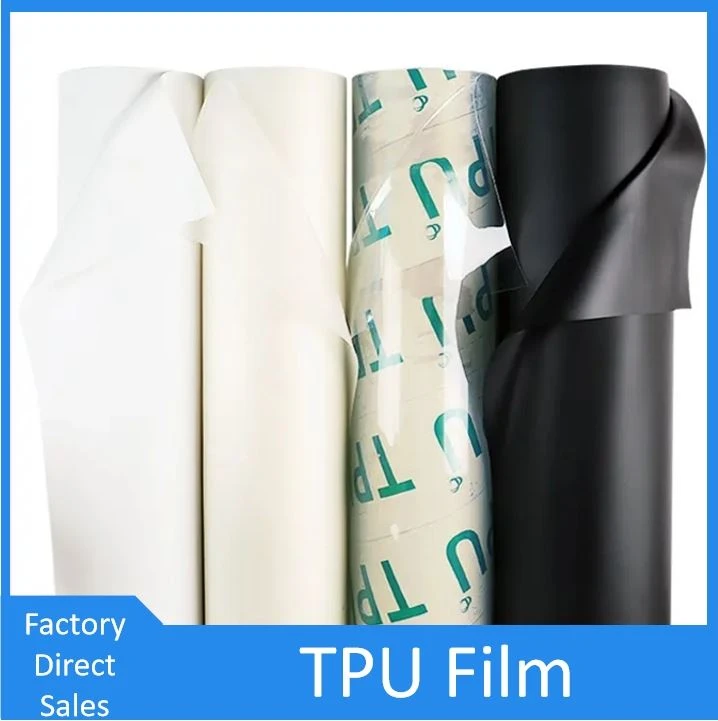
TPU, or thermoplastic polyurethane, is a type of polymer known for its excellent elasticity, abrasion resistance, and chemical stability. TPU adhesive films are made by processing TPU into a thin film with adhesive properties. These films can be activated by heat, pressure, or a combination of both, allowing them to bond various materials together.
Our company offers a wide range of TPU adhesive films, including Hot-melt Adhesive Leather Film for Laminating with Fabrics, Adhesive Furniture Film, and Pe Film Carrier. Each type of film is designed for specific applications, but they all share the basic properties of TPU.

Technical Feasibility of Paper Bonding with TPU Adhesive Film
From a technical perspective, TPU adhesive film can be used for paper bonding. The adhesive properties of TPU allow it to form a strong bond with paper when the appropriate bonding conditions are met. When heated, the TPU adhesive film softens and flows, filling the pores and irregularities on the paper surface. As it cools down, it solidifies, creating a durable bond.
However, the success of paper bonding with TPU adhesive film depends on several factors:
- Paper Type: Different types of paper have different surface characteristics, such as porosity, smoothness, and chemical composition. For example, porous papers like newsprint or kraft paper may absorb more of the adhesive, which can affect the bonding strength. On the other hand, smooth papers like coated paper or glossy paper may require a higher bonding temperature or pressure to ensure good adhesion.
- Bonding Conditions: The temperature, pressure, and time during the bonding process are crucial for achieving a strong bond. The optimal bonding conditions depend on the specific TPU adhesive film and the paper type. Generally, higher temperatures and pressures can improve the bonding strength, but they also need to be carefully controlled to avoid damaging the paper or the adhesive film.
- Adhesive Film Properties: The thickness, melt flow index, and adhesive strength of the TPU adhesive film also play a role in paper bonding. Thicker films may provide more adhesive material for bonding, but they may also require higher bonding temperatures. A higher melt flow index means that the adhesive can flow more easily during the bonding process, which can improve the wetting and adhesion to the paper surface.
Advantages of Using TPU Adhesive Film for Paper Bonding
There are several advantages to using TPU adhesive film for paper bonding:
- Flexibility: TPU adhesive films are flexible, which means that the bonded paper can be bent, folded, or creased without losing its adhesion. This makes them suitable for applications where the paper needs to be shaped or manipulated, such as in packaging, bookbinding, or label making.
- Water Resistance: TPU is inherently water-resistant, which can provide protection to the bonded paper from moisture and humidity. This is especially important for applications where the paper may be exposed to water or high humidity environments, such as outdoor packaging or marine applications.
- Chemical Resistance: TPU adhesive films are resistant to many chemicals, including oils, solvents, and acids. This can make the bonded paper more durable and resistant to damage from chemical exposure.
- Environmental Friendliness: TPU is a thermoplastic material, which means that it can be recycled and reused. Using TPU adhesive film for paper bonding can contribute to a more sustainable and environmentally friendly production process.
Potential Limitations
Despite its advantages, there are also some potential limitations to using TPU adhesive film for paper bonding:
- Cost: TPU adhesive films are generally more expensive than traditional paper adhesives, such as glue or tape. This can increase the production cost, especially for large-scale applications.
- Bonding Equipment: Bonding TPU adhesive film to paper usually requires specialized equipment, such as heat presses or laminators. These equipment can be costly to purchase and maintain, which may be a barrier for some small-scale manufacturers.
- Surface Appearance: The use of TPU adhesive film may affect the surface appearance of the paper. For example, the adhesive film may leave a visible layer on the paper surface, which can change the color or texture of the paper. This may not be desirable for some applications where the appearance of the paper is important.
Applications of TPU Adhesive Film in Paper Bonding
TPU adhesive film has a wide range of applications in paper bonding:
- Packaging: TPU adhesive film can be used to bond paper boxes, cartons, and bags. The flexibility and water resistance of the adhesive film can provide better protection for the packaged products.
- Bookbinding: In bookbinding, TPU adhesive film can be used to bond the book covers to the pages. The strong bond and flexibility of the adhesive film can ensure that the book remains intact during use.
- Label Making: TPU adhesive film can be used to bond labels to various surfaces, including paper. The water resistance and chemical resistance of the adhesive film can ensure that the labels remain readable and intact even in harsh environments.
Conclusion
In conclusion, TPU adhesive film can be used for paper bonding, but it requires careful consideration of the paper type, bonding conditions, and adhesive film properties. The advantages of using TPU adhesive film, such as flexibility, water resistance, and chemical resistance, make it a suitable choice for many paper bonding applications. However, the potential limitations, such as cost and bonding equipment requirements, also need to be taken into account.
If you are interested in using TPU adhesive film for paper bonding or have any questions about our products, please feel free to contact us for more information and to discuss your specific requirements. We are committed to providing high-quality TPU adhesive films and excellent customer service to meet your needs.
References
- "Thermoplastic Polyurethane (TPU) Handbook" by Michael W. Brown
- "Adhesive Bonding: Science, Technology, and Applications" by A. V. Pocius