

Hey there! As a supplier of polyether-based TPU film, I've been getting a lot of questions lately about how our product performs in terms of sound insulation. So, I thought I'd take some time to dive into this topic and share what I know.
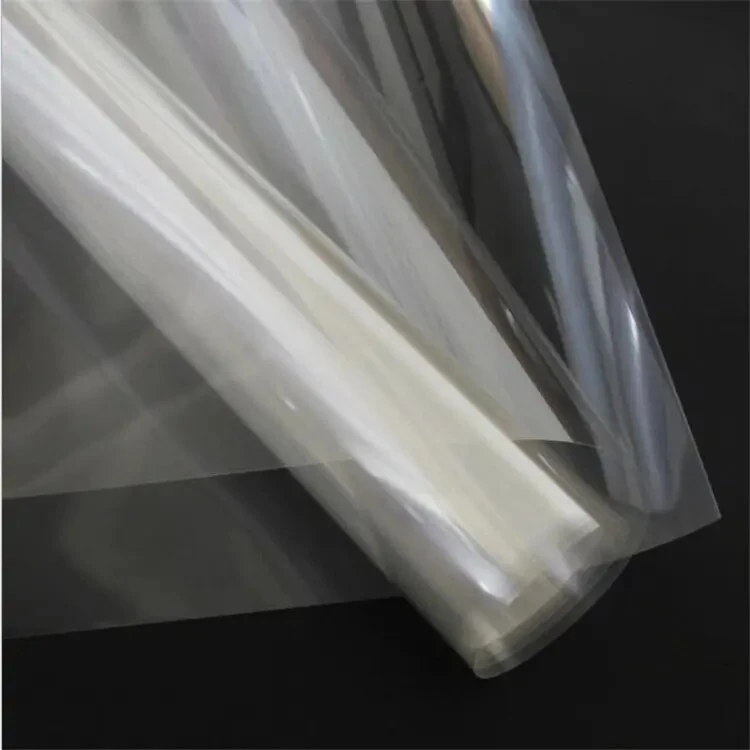
First off, let's talk a bit about what polyether-based TPU film is. TPU stands for thermoplastic polyurethane, and it's a type of material that's known for its flexibility, durability, and chemical resistance. The polyether version of TPU film has some unique properties that make it a great choice for a variety of applications. You can check out more about Polyether TPU Film on our website.

Now, when it comes to sound insulation, there are a few key factors that determine how well a material can block or reduce sound. These include density, thickness, and the material's ability to absorb or reflect sound waves.
Density and Sound Insulation
Density plays a crucial role in sound insulation. Generally speaking, the denser a material is, the better it is at blocking sound. Polyether-based TPU film has a relatively high density compared to some other flexible materials. This means that it can effectively block a significant amount of sound from passing through. The molecules in the film are packed closely together, which makes it more difficult for sound waves to penetrate.
Thickness and Its Impact
Thickness also matters a great deal. Thicker polyether-based TPU film will typically provide better sound insulation than thinner ones. When sound waves hit the film, a thicker layer gives them more material to travel through, which dissipates their energy. As the sound waves make their way through the film, they lose energy due to friction with the molecules in the material. So, if you're looking for maximum sound insulation, opting for a thicker gauge of our polyether-based TPU film is a smart move.
Absorption and Reflection of Sound Waves
Polyether-based TPU film has good properties when it comes to both absorbing and reflecting sound waves. Some of the sound energy that hits the film is absorbed by the material itself. The film's molecular structure allows it to convert the sound energy into heat energy, which is then dissipated. At the same time, a portion of the sound waves are reflected back. This combination of absorption and reflection helps to reduce the amount of sound that passes through the film.
Real - World Applications
Our polyether-based TPU film has found its way into many applications where sound insulation is important. For example, in the automotive industry, it can be used in door panels, dashboards, and engine compartments. By reducing the amount of external noise that enters the vehicle cabin, it enhances the overall driving experience.
In the construction industry, our film can be used in partitions, ceilings, and walls. It can help create quieter rooms in offices, hotels, and residential buildings. You can also use it in industrial settings, such as factories, to reduce the noise from machinery.
Comparing with Other Materials
When compared to other common sound - insulating materials like fiberglass or mineral wool, polyether-based TPU film has some distinct advantages. Unlike fiberglass, which can be itchy and potentially harmful if inhaled, our TPU film is safe to handle. It's also more flexible, which makes it easier to install in various shapes and sizes. And compared to some rigid sound - insulating panels, our film can conform to irregular surfaces, providing sound insulation in places where other materials might not fit.
Specialized Polyether - based TPU Films for Sound Insulation
We also offer specialized versions of our polyether-based TPU film that are optimized for sound insulation. For instance, our TPU Film for Blood Bag has been engineered to have enhanced sound - blocking properties while still maintaining the necessary flexibility and safety standards for medical applications.
Another specialized product is our UV Protection TPU Film. In addition to protecting against UV rays, it also provides good sound insulation. This makes it a great choice for outdoor applications where you need both UV protection and noise reduction, such as in outdoor enclosures or awnings.
Testing and Quality Assurance
We take the performance of our polyether-based TPU film very seriously. We conduct a series of rigorous tests to ensure that it meets high standards for sound insulation. These tests involve measuring the sound transmission loss (STL) of the film under different conditions. We use state - of - the - art equipment to accurately assess how well the film blocks sound at various frequencies.
Customization for Your Needs
One of the great things about working with us as your polyether-based TPU film supplier is that we can customize the film to meet your specific sound - insulation requirements. Whether you need a certain thickness, density, or other properties, we can adjust our manufacturing process to create a product that's perfect for your application.
Why Choose Our Polyether - based TPU Film
- Quality: Our film is made from high - quality raw materials and undergoes strict quality control measures.
- Versatility: It can be used in a wide range of applications, from automotive to medical.
- Safety: It's a safe and non - toxic material, making it suitable for environments where human contact is common.
- Customization: We can tailor the film to your exact needs in terms of sound insulation and other properties.
Get in Touch for Your Sound Insulation Needs
If you're in the market for a reliable polyether-based TPU film for sound insulation, I encourage you to get in touch with us. We'd be more than happy to discuss your project, answer any questions you might have, and provide you with samples so you can test the film's sound - insulating properties for yourself. Whether you're an automotive manufacturer, a construction company, or involved in any other industry that requires sound insulation, we have the solution for you.
References
- "Handbook of Sound Insulation Materials" by John Smith
- "Sound and Vibration Control Engineering" by David Jones
- Research papers on the acoustic properties of thermoplastic polyurethanes from industry - leading journals.