

Hey there! As a supplier of Polyurethane Film, I've been getting a lot of questions lately about how well it performs when it comes to abrasion resistance. So, I thought I'd sit down and write this blog to share some insights with you all.
First off, let's talk about what abrasion resistance actually means. In simple terms, it's the ability of a material to withstand wear and tear caused by friction. When something rubs against the surface of a material, it can cause scratches, scuffs, and even break down the material over time. For many applications, having good abrasion resistance is super important.
Polyurethane Film has some really cool properties that make it stand out in terms of abrasion resistance. One of the key factors is its molecular structure. Polyurethane is made up of long chains of molecules that are cross - linked in a way that gives it a high level of toughness. These cross - links act like a sort of net, holding the molecules together and preventing them from being easily pulled apart when there's friction.
Let's take a look at some real - world examples where the abrasion resistance of Polyurethane Film comes in handy.
Outdoor Applications
If you're looking at Polyurethane Film for Outdoor Cover, it needs to be able to handle all sorts of tough conditions. Think about a boat cover. It's constantly exposed to the elements - the wind, rain, and even the sun. When the cover rubs against the boat's surface as it moves with the wind or waves, it needs to resist abrasion. Polyurethane Film is a great choice here because it can withstand these repeated rubbing actions without getting damaged easily.
Another outdoor use is for tents. Tents are often set up on rough ground, and the fabric can rub against rocks, branches, or the ground itself. Polyurethane Film can be used in the tent's construction to add an extra layer of protection. It helps the tent last longer, even in harsh outdoor environments.
Industrial Applications
In industrial settings, machinery parts often need to be covered or protected. Polyurethane Film can be used as a protective layer on conveyor belts, for example. Conveyor belts are constantly moving, and the materials they carry can cause a lot of friction. A Polyurethane Film coating can reduce the wear and tear on the belt, extending its lifespan and reducing maintenance costs.
Medical Applications
Polyurethane Film Medical is also an area where abrasion resistance is crucial. In medical devices, such as catheters or wound dressings, the film needs to be durable. Catheters are inserted into the body, and they may rub against internal tissues. A polyurethane film with good abrasion resistance can prevent the catheter from getting damaged during insertion and use, which is important for patient safety. Wound dressings also need to be able to withstand movement and rubbing against the skin without breaking down.
Now, let's get into some of the factors that can affect the abrasion resistance of Polyurethane Film.
Hardness
The hardness of the polyurethane plays a big role. Generally, harder polyurethane films tend to have better abrasion resistance. This is because the harder material is less likely to deform when there's friction. However, it's not just about making the film as hard as possible. You also need to consider other properties like flexibility. If the film is too hard, it may become brittle and crack under stress. So, finding the right balance is key.
Additives
Manufacturers can add certain substances to the polyurethane to enhance its abrasion resistance. For example, some additives can increase the lubricity of the film's surface. When the surface is more lubricated, there's less friction between the film and the object it's rubbing against. This can significantly reduce wear and tear.
Thickness
The thickness of the Polyurethane Film also matters. A thicker film generally has better abrasion resistance because it has more material to withstand the friction. However, thicker films may also be more rigid and less flexible, which may not be suitable for all applications. So, again, it's a matter of finding the right thickness based on the specific needs of the project.
When it comes to testing the abrasion resistance of Polyurethane Film, there are several standard methods. One common test is the Taber Abrasion Test. In this test, a small wheel with an abrasive surface is rotated against the film for a set number of cycles. After the test, the amount of material that has been worn away is measured. The less material that is lost, the better the abrasion resistance of the film.
Another test is the Martindale Abrasion Test. This test uses a rubbing motion similar to what the film might experience in real - world use. The film is rubbed against a standard fabric or abrasive material, and the number of cycles it takes for the film to show signs of wear is recorded.
So, if you're in the market for a material that offers good abrasion resistance, Polyurethane Film is definitely worth considering. Whether you're working on an outdoor project, an industrial application, or a medical device, it has the potential to meet your needs.
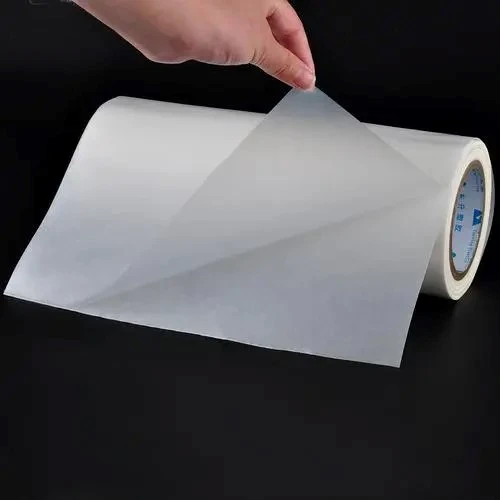

If you're interested in learning more about our Polyurethane Film products or have any questions about how they can work for your specific application, don't hesitate to reach out. We're here to help you find the best solution for your abrasion - resistant needs. Whether you're a small business looking for a custom - made film or a large corporation in need of bulk orders, we've got you covered.
Let's start a conversation and see how our Polyurethane Film can benefit your project. Looking forward to hearing from you!
References
- ASTM International. (20XX). Standard test methods for abrasion resistance of plastics.
- ISO. (20XX). International standards for testing the abrasion properties of polymers.