

In the vast expanse of aerospace engineering, every component and material plays a crucial role in ensuring the safety, comfort, and functionality of aircraft and spacecraft. Among these materials, TPU (Thermoplastic Polyurethane) breathable film has emerged as a key player, offering unique properties that meet the demanding requirements of aerospace applications. As a leading TPU breathable film supplier, I am excited to delve into the specific requirements for TPU breathable film in this high - tech field.
High - Level Breathability
One of the most fundamental requirements for TPU breathable film in aerospace applications is high - level breathability. In an aerospace environment, astronauts or pilots are often in confined spaces for extended periods. The human body naturally produces moisture through sweating, and if this moisture cannot be effectively removed, it can lead to discomfort, skin problems, and even affect the performance of the individuals.
A high - breathable TPU film allows water vapor to pass through while preventing liquid water from entering. This is essential for maintaining a dry and comfortable micro - environment inside spacesuits or aircraft cabins. For example, in spacesuits, the breathable film helps to regulate the temperature and humidity around the astronaut's body, reducing the risk of heat stress and condensation. Our [High Breathable Waterproof TPU Film](/tpu - film/waterproof - and - breathable - tpu - film/high - breathable - waterproof - tpu - film.html) is specifically designed to meet these high - breathability requirements, with a carefully engineered molecular structure that enables efficient water vapor transmission.
Excellent Waterproofness
While breathability is crucial, the TPU breathable film must also possess excellent waterproofness. In aerospace, there are various scenarios where protection against water ingress is necessary. For instance, during spacewalks, the spacesuit needs to protect the astronaut from micrometeoroids and the harsh space environment, which may include exposure to water or other liquids in certain situations.
In aircraft, the film can be used in areas such as the insulation of the fuselage or in the construction of inflatable emergency equipment. A waterproof TPU film ensures that these components remain dry and functional, preventing damage from water - related corrosion or electrical short - circuits. Our TPU films are tested rigorously to ensure that they can withstand high - pressure water jets and long - term exposure to moisture without leaking. The [Waterproof TPU Film for Garments](/tpu - film/waterproof - and - breathable - tpu - film/waterproof - tpu - film - for - garments.html) showcases our commitment to providing waterproof solutions that can be adapted to aerospace needs.
Lightweight and Flexible
Weight is a critical factor in aerospace engineering. Every additional gram of weight can increase fuel consumption and reduce the overall efficiency of the aircraft or spacecraft. Therefore, TPU breathable films used in aerospace applications must be lightweight. Our TPU films are designed with advanced manufacturing techniques to achieve a high strength - to - weight ratio, allowing them to provide the necessary protection and functionality without adding excessive weight.
Flexibility is also essential, especially in applications such as spacesuits. Astronauts need to be able to move freely in their suits, and a flexible TPU film allows for a wide range of motion without tearing or cracking. The film should be able to conform to the body's contours and withstand repeated stretching and bending. Our films offer excellent flexibility, making them suitable for use in various aerospace components, from inflatable structures to flexible insulation layers.
High - Temperature Resistance
Aerospace environments expose materials to extreme temperature variations. During re - entry into the Earth's atmosphere, spacecraft experience extremely high temperatures due to air friction. On the other hand, in space, temperatures can drop to extremely low levels. TPU breathable films must be able to withstand these temperature extremes without losing their mechanical and chemical properties.

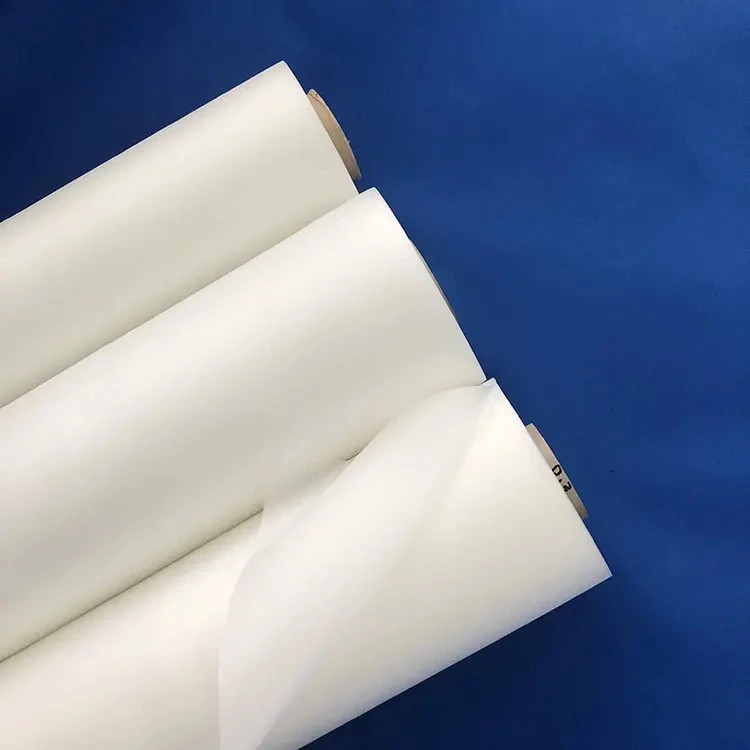
Our TPU films are formulated with special additives and polymers that enhance their high - temperature resistance. They can maintain their breathability, waterproofness, and flexibility even at high temperatures, ensuring reliable performance in the most challenging aerospace conditions. This high - temperature resistance also extends the lifespan of the film, reducing the need for frequent replacements.
Chemical Resistance
In the aerospace environment, TPU breathable films may come into contact with various chemicals, such as cleaning agents, fuels, and lubricants. Chemical resistance is therefore a vital requirement. A film that is resistant to chemicals can prevent degradation and maintain its integrity over time.
Our TPU films are tested against a wide range of chemicals to ensure their resistance. This property is particularly important in aircraft maintenance, where the films may be exposed to cleaning solvents and other chemicals during routine servicing. By using chemically resistant TPU films, aerospace manufacturers can ensure the long - term durability of their components.
Flame Retardancy
Flame retardancy is a non - negotiable requirement in aerospace applications. In the event of a fire, materials used in aircraft and spacecraft must not contribute to the spread of flames. TPU breathable films need to have excellent flame - retardant properties to meet safety standards.
Our TPU films are engineered with flame - retardant additives that can slow down or prevent the spread of fire. These additives are carefully selected to ensure that they do not compromise the other properties of the film, such as breathability and flexibility. This makes our films a safe choice for use in various aerospace applications, from interior linings to insulation materials.
Compatibility with Other Materials
In aerospace engineering, TPU breathable films are often used in combination with other materials, such as fabrics, metals, and composites. Compatibility with these materials is essential to ensure proper bonding and performance.
Our TPU films are designed to be compatible with a wide range of materials. They can be easily laminated to fabrics, providing an additional layer of protection and functionality. This compatibility also allows for seamless integration into existing aerospace manufacturing processes, reducing production time and costs.
Reliability and Consistency
Aerospace applications demand the highest level of reliability and consistency. TPU breathable films must perform consistently under various conditions and over long periods. As a supplier, we have strict quality control measures in place to ensure that every roll of TPU film meets the same high standards.
We conduct extensive testing on our products, including breathability tests, waterproofness tests, and mechanical property tests. This ensures that our TPU breathable films can be trusted to perform in the most demanding aerospace environments.
Conclusion
In conclusion, the requirements for TPU breathable film in aerospace applications are diverse and demanding. From high - level breathability and excellent waterproofness to lightweight design, high - temperature resistance, and flame retardancy, every aspect of the film's performance is crucial. As a TPU breathable film supplier, we are committed to meeting these requirements through continuous research and development, strict quality control, and innovative manufacturing processes.
If you are in the aerospace industry and are looking for high - quality TPU breathable films that meet the stringent requirements of your applications, we invite you to contact us for procurement and further discussions. Our team of experts is ready to provide you with the best solutions tailored to your specific needs.
References
- "Aerospace Materials Handbook" - A comprehensive guide on materials used in aerospace engineering.
- Research papers on TPU materials and their applications in extreme environments.
- Industry standards and regulations for aerospace materials and components.