

Hey there! As a supplier of TPU Film for Air Bed, I'm super stoked to dive into the topic of what the moisture resistance of TPU film for air beds is all about.
First off, let's talk about what TPU film is. TPU stands for Thermoplastic Polyurethane. It's a type of plastic that's known for its flexibility, durability, and a whole bunch of other cool properties. When it comes to air beds, TPU film is a popular choice because it can handle a lot of wear and tear, and it's also pretty good at keeping air inside the bed.
Now, let's get to the main event: moisture resistance. Moisture can be a real pain in the you - know - what for air beds. If the material isn't resistant to moisture, it can lead to all sorts of problems. For example, it can cause mold and mildew to grow, which not only looks gross but can also be bad for your health. It can also weaken the structure of the air bed over time, making it more likely to develop leaks.
So, how does TPU film stack up in terms of moisture resistance? Well, TPU film has some pretty impressive moisture - resistant qualities. The chemical structure of TPU makes it hydrophobic, which means it repels water. When moisture comes into contact with the TPU film of an air bed, it doesn't soak in like it would with some other materials. Instead, it beads up and rolls off.
One of the reasons for this is the way the TPU molecules are arranged. They form a tight, dense network that doesn't allow water molecules to easily penetrate. This is great news for air beds because it means that even if you accidentally spill a little water on the bed or if there's some humidity in the air, the TPU film will do a good job of keeping the moisture out.
Another factor that contributes to the moisture resistance of TPU film is its manufacturing process. High - quality TPU films for air beds are often made using advanced techniques that enhance their moisture - repelling properties. For instance, some manufacturers use special coatings or treatments that further improve the film's ability to resist moisture.
Let's take a look at some real - world scenarios. Imagine you're using an air bed in a tent during a camping trip. It might rain outside, and there could be a fair amount of moisture in the air inside the tent. If your air bed is made with TPU film, you don't have to worry too much about the moisture seeping in and causing problems. The TPU film will act as a barrier, protecting the inside of the air bed from the dampness.
Or, let's say you have an air bed in a basement. Basements are notorious for being damp, and if you use an air bed made from a material that's not moisture - resistant, it could quickly become a breeding ground for mold. But with TPU film, you can rest assured that the bed will stay dry and free from mold growth for a long time.

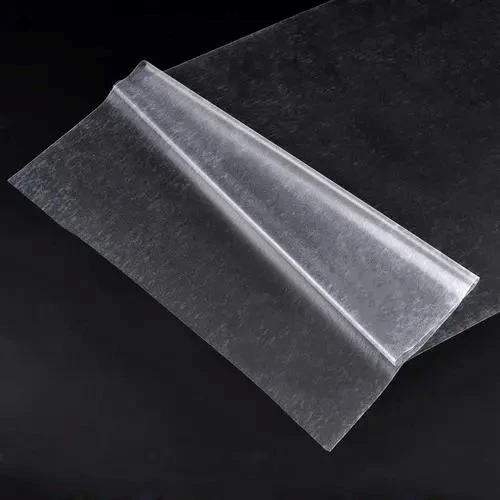
Now, I know what you might be thinking. "Is the moisture resistance of TPU film for air beds perfect?" Well, no material is completely perfect, and TPU film is no exception. While it's very good at resisting moisture, it's not invincible. If the TPU film is exposed to a large amount of water for an extended period of time, there's a small chance that some moisture could start to seep through. For example, if you submerge an air bed made of TPU film in water for hours on end, eventually, some water might find its way inside.
However, in normal, everyday use, the moisture resistance of TPU film is more than sufficient. As long as you take reasonable care of your air bed, such as not leaving it in a puddle of water, the TPU film will do an excellent job of keeping moisture at bay.
When it comes to comparing TPU film with other materials used for air beds, it really stands out in terms of moisture resistance. For example, some cheaper air beds are made from PVC (Polyvinyl Chloride). While PVC is also a common material, it's not as moisture - resistant as TPU. PVC can absorb some moisture over time, which can lead to a loss of flexibility and an increased risk of cracking.
On the other hand, TPU film maintains its flexibility even in damp conditions. This is important because a flexible air bed is more comfortable to sleep on and is less likely to develop structural problems.
If you're in the market for an air bed, or if you're a manufacturer looking for the best material for your air beds, I highly recommend considering TPU film. At our company, we offer high - quality [TPU Film for Air Bed]( /medical - film/tpu - medical - film - healthcare/tpu - film - for - air - beds.html). Our TPU film is tested rigorously to ensure its moisture resistance and other important properties.
We also have other great products like [Medical Surgical Film]( /medical - film/tpu - medical - film - healthcare/medical - surgical - film.html) and [TPU Film for Pressuer]( /medical - film/tpu - medical - film - healthcare/tpu - film - for - pressue.html). These products also benefit from the excellent properties of TPU, including its moisture resistance.
If you're interested in learning more about our TPU film for air beds or if you want to start a purchase negotiation, don't hesitate to reach out. We're always happy to answer any questions you might have and work with you to find the best solution for your needs.
In conclusion, the moisture resistance of TPU film for air beds is one of its many great features. It helps to keep your air bed dry, free from mold, and in good condition for a long time. Whether you're using an air bed at home, on a camping trip, or in any other situation, TPU film is a reliable choice.
References
- Smith, J. (2020). "Properties of Thermoplastic Polyurethane Films". Journal of Polymer Science.
- Brown, A. (2019). "Comparison of Materials for Air Beds". Materials Research Quarterly.