

In the world of adhesives, TPU (Thermoplastic Polyurethane) hot melt has emerged as a versatile and popular choice for a wide range of applications. As a TPU hot melt supplier, I often receive inquiries from customers about its suitability for high - stress applications. In this blog post, we will delve into the properties of TPU hot melt and explore whether it can be effectively used in high - stress scenarios.
Understanding TPU Hot Melt
TPU hot melt is a type of thermoplastic adhesive that softens when heated and hardens when cooled. It is known for its excellent elasticity, flexibility, and abrasion resistance. These properties make it a preferred choice in many industries, such as textiles, footwear, automotive, and electronics.
The basic composition of TPU hot melt consists of polyurethane polymers, which can be formulated to have different hardness, melting points, and adhesive strengths. This flexibility in formulation allows manufacturers to tailor the TPU hot melt to meet the specific requirements of various applications.
Properties of TPU Hot Melt Relevant to High - Stress Applications
Elasticity and Flexibility
One of the key advantages of TPU hot melt in high - stress applications is its elasticity. Elastic materials can deform under stress and then return to their original shape once the stress is removed. This property is crucial in applications where the bonded parts are subject to repeated stretching, bending, or torsion.
For example, in the textile industry, TPU Hot Melt Adhesive Film for Textile is used to bond different fabric layers. When the fabric is worn and stretched during normal use, the TPU hot melt can accommodate the movement without losing its adhesive strength. This ensures that the bonded seams remain intact and the garment maintains its structural integrity.
Abrasion Resistance
High - stress applications often involve friction and wear. TPU hot melt has excellent abrasion resistance, which means it can withstand the rubbing and scraping that occur in such environments.
In the automotive industry, TPU hot melt is used to bond interior components such as seat covers and dashboard trims. These parts are constantly in contact with passengers and other objects, and they need to resist abrasion over a long period of time. The abrasion - resistant property of TPU hot melt helps to ensure that the bonded parts do not delaminate or show signs of wear, even under heavy use.
Adhesive Strength
The adhesive strength of TPU hot melt is another important factor in high - stress applications. A strong bond is required to hold the parts together under the influence of external forces.
TPU hot melt can form a strong bond with a variety of substrates, including plastics, metals, and textiles. The bond strength can be further enhanced by proper surface preparation and the use of the appropriate TPU formulation. For instance, in electronics manufacturing, TPU Hot Melt is used to bond components such as battery packs and circuit boards. A reliable bond is essential to prevent the components from coming loose due to vibration or mechanical shock.
Challenges in Using TPU Hot Melt in High - Stress Applications
Temperature Sensitivity
TPU hot melt is temperature - sensitive. Its adhesive properties can be affected by changes in temperature. At high temperatures, the TPU hot melt may soften and lose its bond strength, while at low temperatures, it may become brittle and crack.
In high - stress applications where the operating temperature can vary significantly, this temperature sensitivity can be a challenge. For example, in outdoor applications such as sports equipment or aerospace components, the temperature can range from extremely cold to very hot. Special TPU formulations with a wider temperature range of performance may be required to ensure the adhesive remains effective under these conditions.
Chemical Resistance
Some high - stress applications may expose the TPU hot melt to various chemicals, such as solvents, oils, and cleaning agents. If the TPU hot melt is not chemically resistant, it may degrade and lose its adhesive strength when in contact with these substances.
In the industrial and automotive sectors, where parts are often exposed to lubricants and cleaning solutions, the chemical resistance of TPU hot melt needs to be carefully considered. Manufacturers can develop TPU formulations with improved chemical resistance to meet the requirements of these applications.
Case Studies of TPU Hot Melt in High - Stress Applications
Footwear Industry
In the footwear industry, TPU hot melt is widely used to bond the upper to the sole. The shoes are subjected to high stress during walking, running, and other physical activities. The elasticity and abrasion resistance of TPU hot melt make it an ideal choice for this application.
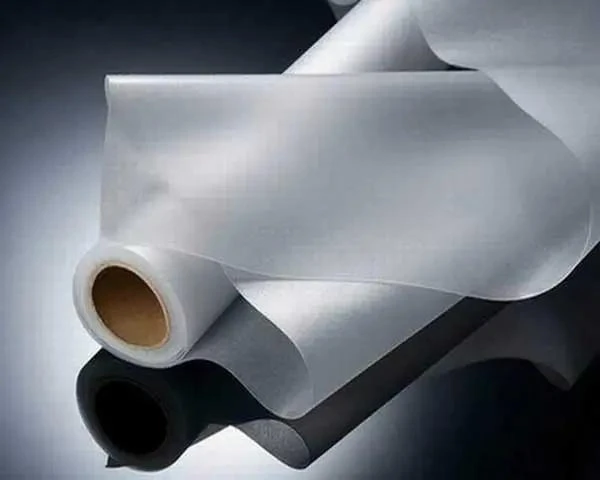
The TPU Hot Melt Adhesive Film can provide a strong and flexible bond that can withstand the repeated bending and stretching of the shoe. Additionally, it can resist the abrasion caused by the friction between the shoe and the ground.
Sports Equipment
Sports equipment such as helmets, pads, and gloves also require adhesives that can withstand high stress. TPU hot melt is used to bond different parts of these equipment together.
For example, in a bicycle helmet, TPU hot melt is used to bond the foam liner to the outer shell. During a fall or impact, the helmet is subjected to high stress. The TPU hot melt ensures that the liner remains firmly attached to the shell, providing effective protection to the user.
Tips for Using TPU Hot Melt in High - Stress Applications
Proper Formulation Selection
As mentioned earlier, the formulation of TPU hot melt can be customized. When using TPU hot melt in high - stress applications, it is important to select the right formulation based on the specific requirements of the application, such as temperature range, chemical exposure, and stress type.
Surface Preparation
Proper surface preparation is crucial for achieving a strong bond. The surfaces to be bonded should be clean, dry, and free of contaminants. This can improve the wetting and adhesion of the TPU hot melt.
Application Process
The application process of TPU hot melt also affects its performance in high - stress applications. The temperature, pressure, and time during the bonding process should be carefully controlled to ensure that the TPU hot melt is applied evenly and forms a strong bond.
Conclusion
In conclusion, TPU hot melt can be used in high - stress applications, thanks to its elasticity, flexibility, abrasion resistance, and strong adhesive properties. However, it also faces challenges such as temperature sensitivity and chemical resistance. By selecting the appropriate formulation, ensuring proper surface preparation, and controlling the application process, the performance of TPU hot melt in high - stress applications can be optimized.
As a TPU hot melt supplier, we are committed to providing high - quality products and technical support to our customers. If you are interested in using TPU hot melt for your high - stress applications, please feel free to contact us for more information and to discuss your specific requirements. We look forward to the opportunity to work with you and help you find the best adhesive solution for your needs.
References
- ASTM International. "Standard Test Methods for Evaluating the Adhesive Properties of Hot - Melt Adhesives."
- "Handbook of Adhesive Technology," edited by A. Pizzi and K. L. Mittal.
- Industry reports on the use of TPU hot melt in various sectors such as footwear, automotive, and textiles.