

Hydrophilic TPU (Thermoplastic Polyurethane) film has emerged as a remarkable material with far - reaching implications for sustainable development. As a supplier of Hydrophilic TPU Film, I have witnessed firsthand how this innovative product is contributing to a more sustainable future across various industries.
1. Environmental Benefits of Hydrophilic TPU Film
Reduced Waste Generation
One of the key aspects of sustainable development is minimizing waste. Hydrophilic TPU film offers significant advantages in this regard. Unlike many traditional materials, TPU is a thermoplastic, which means it can be melted and re - processed multiple times. This recyclability property reduces the amount of waste sent to landfills. For instance, in the manufacturing process, any excess or scrap Hydrophilic TPU film can be collected and recycled back into new film products. This closed - loop system not only conserves resources but also reduces the environmental impact associated with waste disposal.
Energy Efficiency in Production
The production of Hydrophilic TPU film is relatively energy - efficient compared to other materials. The manufacturing process of TPU typically involves lower energy consumption during extrusion and molding operations. Additionally, advancements in production technology have further optimized energy use. For example, modern extrusion machines are designed to operate at lower temperatures and with higher precision, reducing energy waste. This energy efficiency translates into a lower carbon footprint, contributing to the global effort to combat climate change.
Biodegradability and Low Toxicity
Some Hydrophilic TPU films are designed to have enhanced biodegradability. These films can break down more easily in the environment compared to traditional plastics, reducing long - term environmental pollution. Moreover, Hydrophilic TPU films are generally low in toxicity. They do not release harmful chemicals during normal use or degradation, which is beneficial for both human health and the environment. This makes them a safer alternative for applications where contact with humans or the natural environment is likely, such as in medical and food packaging industries.
2. Hydrophilic TPU Film in the Medical Industry
Improved Patient Comfort and Safety
In the medical field, Hydrophilic TPU film plays a crucial role in enhancing patient comfort and safety. The hydrophilic nature of the film allows it to absorb and manage moisture effectively. For example, in wound dressings, the film can keep the wound area moist, which promotes faster healing. It also helps prevent the formation of scabs, reducing pain and discomfort for the patient. Additionally, Hydrophilic TPU film is hypoallergenic, reducing the risk of allergic reactions. You can learn more about the use of TPU film in medical applications on our website: TPU Film Used In Medical.
Reducing Medical Waste
Medical waste is a significant environmental concern. Hydrophilic TPU film can help address this issue. Many medical devices made from this film are designed to be reusable or recyclable. For example, some TPU - based medical drapes can be easily cleaned and sterilized for multiple uses, reducing the amount of single - use plastic waste generated in hospitals. The development of Thermoplastic (TPU) Film Based Medical Devices is a testament to the potential of Hydrophilic TPU film in reducing medical waste.
Enhancing Medical Device Performance
Hydrophilic TPU film improves the performance of medical devices. Its flexibility and durability make it suitable for a wide range of applications, from catheters to medical tubing. The film can provide a smooth surface, reducing friction and facilitating the movement of fluids or medical instruments. This not only improves the functionality of medical devices but also reduces the risk of complications during medical procedures.
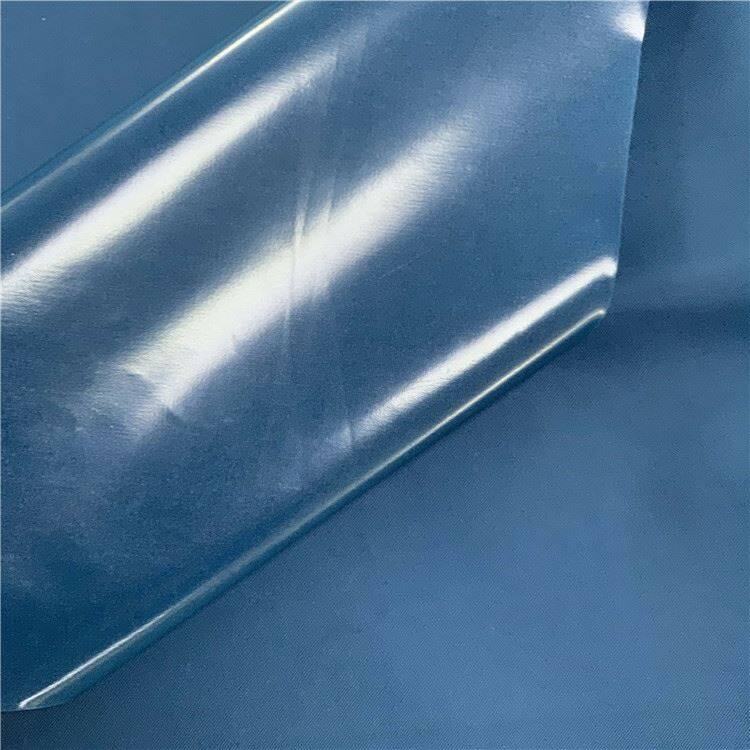

3. Hydrophilic TPU Film in the Textile and Apparel Industry
Breathability and Comfort
In the textile and apparel industry, Hydrophilic TPU film is used to enhance the breathability and comfort of clothing. The film can be laminated to fabrics, allowing moisture to pass through while still providing a waterproof barrier. This is particularly useful in outdoor and sports clothing, where athletes need to stay dry and comfortable during intense physical activities. The hydrophilic property of the film helps wick away sweat from the body, keeping the wearer cool and reducing the risk of skin irritation.
Durability and Longevity
Clothing made with Hydrophilic TPU film is more durable compared to traditional fabrics. The film adds an extra layer of protection, making the clothing resistant to wear and tear. This means that consumers do not need to replace their clothing as frequently, reducing the overall demand for new textile products and the associated environmental impact. The durability of Hydrophilic TPU film also contributes to the circular economy by extending the lifespan of clothing items.
Sustainable Fashion Initiatives
The use of Hydrophilic TPU film aligns with the growing trend of sustainable fashion. Many fashion brands are now looking for eco - friendly materials to incorporate into their designs. Hydrophilic TPU film offers a viable solution, as it is both sustainable and functional. By using this film, fashion brands can reduce their environmental footprint while still providing high - quality products to consumers.
4. Hydrophilic TPU Film in Packaging
Food Packaging
In food packaging, Hydrophilic TPU film offers several advantages. It can provide an excellent barrier against moisture, oxygen, and light, which helps preserve the freshness and quality of food products. This reduces food waste by extending the shelf life of packaged foods. The film's low toxicity also ensures that it is safe for direct contact with food. Moreover, its recyclability makes it a more sustainable option compared to traditional food packaging materials.
Product Protection and Reduced Packaging Waste
Hydrophilic TPU film can be used to package a variety of products, providing excellent protection against damage during transportation and storage. Its flexibility allows for custom - fitting packaging solutions, reducing the amount of excess packaging material. This not only saves resources but also reduces the volume of packaging waste generated. By choosing Hydrophilic TPU film for packaging, companies can contribute to a more sustainable supply chain.
5. Selection and Customization of Hydrophilic TPU Film
Using the TPU Films Selector Tool
As a supplier, we understand that different industries have specific requirements for Hydrophilic TPU film. That's why we offer a TPU Films Selector Tool on our website. This tool allows customers to input their specific needs, such as thickness, hydrophilicity level, and application type. Based on these inputs, the tool provides recommendations on the most suitable Hydrophilic TPU film products.
Customization Services
In addition to the standard product offerings, we also provide customization services. We can tailor the Hydrophilic TPU film to meet the unique requirements of our customers. Whether it's adjusting the chemical composition for specific performance characteristics or creating custom - sized films, our team of experts is dedicated to providing personalized solutions.
6. Contact for Procurement and Collaboration
If you are interested in learning more about our Hydrophilic TPU film products or are looking to start a procurement process, we encourage you to reach out to us. Our team is ready to assist you with any questions you may have and to discuss how our products can contribute to your sustainable development goals. Whether you are in the medical, textile, packaging, or any other industry, we believe that our Hydrophilic TPU film can offer a valuable solution.
References
- "Thermoplastic Polyurethane (TPU) - Properties, Applications, and Processing", Smith, J., 2018.
- "Sustainable Materials in the Medical Industry", Johnson, A., 2019.
- "The Future of Textile and Apparel Sustainability", Brown, C., 2020.