

Hey there! As a supplier of polyether - based TPU film, I've been getting a lot of questions lately about how its transparency changes under different conditions. So, I thought I'd write this blog to share some insights.
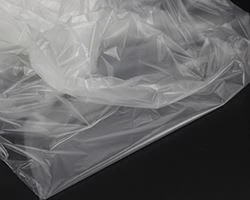
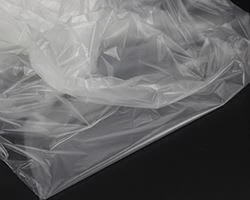
Let's start with the basics. Polyether - based TPU (Thermoplastic Polyurethane) film is known for its excellent transparency, which makes it suitable for a wide range of applications. You can check out some of our products like UV Protection TPU Film, TPU Film for Hospital Mattresses, and TPU Film for Surgical Gowns.
Temperature Effects
Temperature plays a huge role in the transparency of polyether - based TPU film. When the temperature is relatively low, say around 0 - 10°C, the film tends to become a bit more rigid. This can cause some microscopic changes in its molecular structure. The molecules start to pack closer together, which might lead to a slight decrease in transparency. You might notice a bit of haziness, especially if you're looking at the film against a bright background.
On the other hand, when the temperature rises, like up to 50 - 60°C, the molecules in the TPU film start to move more freely. They have more energy, and the structure becomes more flexible. In most cases, this increased flexibility can actually improve the transparency. The film looks clearer, and you can see through it more easily. But if the temperature goes too high, say above 80°C, the film might start to degrade. This degradation can cause discoloration and a significant loss of transparency. The film might turn yellowish or develop a cloudy appearance, which is definitely not what you want for applications where clear visibility is crucial.
Humidity Impact
Humidity is another factor that can mess with the transparency of polyether - based TPU film. When the humidity is high, the film can absorb moisture. This absorption can cause the film to swell slightly. The extra water molecules in the film can scatter light, leading to a reduction in transparency. You might see a foggy look on the surface of the film, and it becomes harder to see through it clearly.
In a dry environment, the opposite can happen. The film might lose some of its internal moisture, which can make it more brittle. While this doesn't always directly affect transparency, in some cases, the brittleness can lead to small cracks or micro - fractures. These cracks can scatter light and cause a decrease in the overall clarity of the film.
Chemical Exposure
Polyether - based TPU film can react with different chemicals, and this reaction can have a big impact on its transparency. For example, if the film comes into contact with strong acids or alkalis, the chemical reaction can break down the polymer chains in the film. This breakdown can cause the film to become opaque or develop a rough surface. Even milder chemicals like some cleaning agents can cause problems. Some cleaning solutions might leave a residue on the film, which can reduce its transparency.
If the film is used in an industrial setting where it's exposed to various solvents, the solvents can dissolve or swell the film. This can lead to changes in its optical properties and make it less transparent. So, when choosing a cleaning agent or working in an environment with chemicals, it's important to make sure they're compatible with the polyether - based TPU film.
UV Radiation
UV radiation is a major concern when it comes to the transparency of polyether - based TPU film. Over time, exposure to UV light can cause the film to yellow. This yellowing is due to the degradation of the polymer structure by the high - energy UV rays. The more the film is exposed to UV light, the more pronounced the yellowing becomes, and the lower its transparency gets.
That's why our UV Protection TPU Film is so important. It's designed with special additives that can absorb and block UV radiation. These additives help to protect the film from the harmful effects of UV light, keeping it clear and transparent for a longer time.
Mechanical Stress
Mechanical stress can also affect the transparency of the film. If the film is stretched or bent too much, the molecular structure can be distorted. This distortion can cause light to scatter in different directions, leading to a decrease in transparency. You might see a milky or hazy area where the stress is concentrated.
Similarly, if the film is rubbed or scratched, the surface integrity is damaged. The scratches can act as light - scattering centers, reducing the overall clarity of the film. So, when handling the film, it's important to be gentle and avoid applying too much force.
Storage Conditions
How you store the polyether - based TPU film can also influence its transparency. If the film is stored in a place with direct sunlight, the UV radiation from the sun can cause yellowing and a loss of transparency over time. It's best to store the film in a cool, dry place away from direct sunlight.
Also, if the film is stored in a stack for a long time, the pressure from the weight of the upper layers can cause the film to deform slightly. This deformation can lead to changes in its optical properties and a reduction in transparency. It's a good idea to store the film in a way that minimizes pressure and allows air circulation around it.
Applications and Transparency Requirements
Different applications have different requirements for the transparency of polyether - based TPU film. For example, in the case of TPU Film for Surgical Gowns, high transparency is crucial. Surgeons need to be able to see clearly through the gown to perform procedures accurately. Any reduction in transparency can be a safety hazard.
For TPU Film for Hospital Mattresses, while transparency might not be as critical as in surgical gowns, it still matters. Clear film can make it easier to inspect the mattress for any signs of damage or contamination.
Conclusion
As you can see, there are many factors that can affect the transparency of polyether - based TPU film. Temperature, humidity, chemical exposure, UV radiation, mechanical stress, and storage conditions all play important roles. Understanding these factors can help you choose the right film for your application and take the necessary steps to maintain its transparency.
If you're interested in our polyether - based TPU film products or have any questions about how to ensure the best transparency for your specific needs, feel free to reach out. We're always here to help you find the perfect solution for your projects.
References
- Polymer Science and Technology textbooks
- Research papers on thermoplastic polyurethanes
- Industry reports on TPU film applications