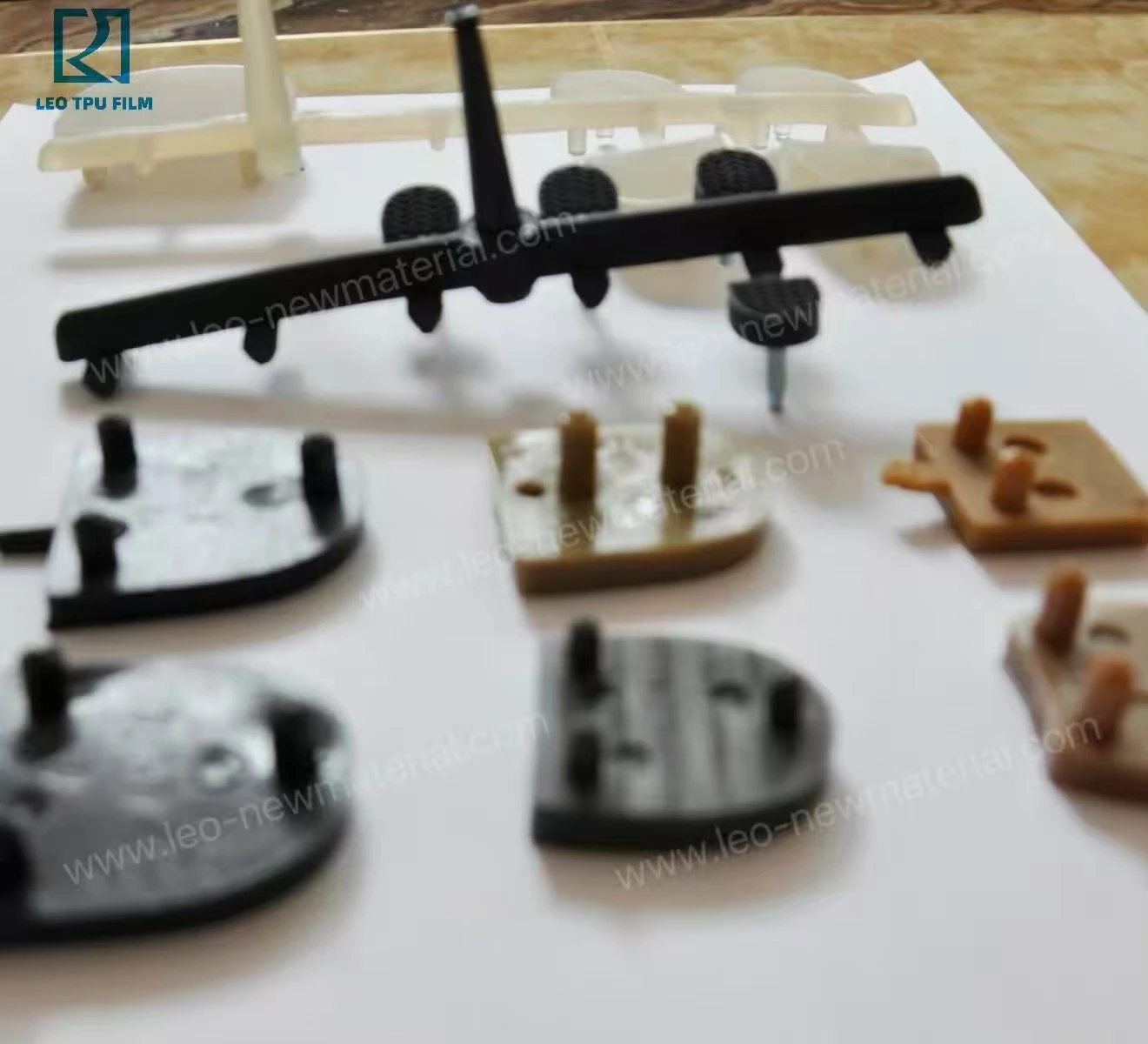
When choosing high heels, everyone tends to focus on the shoe style and upper, but rarely pays attention to the small sole leather at the base of the heel. This unassuming small component is precisely the key to differentiating shoe quality. As consumers increasingly demand better wearing experience, durability, and walking safety, these invisible functional details have gradually become the true dividing line between high-end and low-end footwear. Among them, the grounding pad at the heel base-the sole leather-is the most overlooked yet crucial component affecting overall quality.
The force characteristics of the high-heeled structure are extremely unique, with a contact area of only millimeters at the grounding position, requiring continuous support of the entire weight of the human body. Daily walking, going up and down stairs, and moving on the road all put this miniature component under high-pressure, high friction, and high impact conditions. The stability, toughness, and wear resistance of accessory materials directly determine the service life, walking quietness, and anti slip safety of shoes, and are also the fundamental reasons why high-end brands continue to iterate on materials.
At present, the mass production of women's shoes on the market mostly uses low-cost materials such as PVC, TPR, and ordinary PU to process Tianpi. There are unavoidable industry shortcomings in comprehensive performance. PVC material is brittle, lacks toughness, and has extremely poor impact resistance. Even slight bumps can cause problems such as edge breakage, chipping, wear and depression, and significant wear and tear can occur in short-term use; The toughness of materials drops sharply in low-temperature environments, making them prone to slipping on smooth surfaces such as polished tiles and marble, posing a great safety hazard.
TPR soft materials have weak support, are prone to deformation and edge collapse under pressure, have poor heat stability, and can accelerate softening and wear due to rising temperatures or long-term loading, resulting in fast wear and tear and poor durability. The biggest weakness of ordinary PU materials is insufficient water resistance. When exposed to moisture, rain, and long-term humid environments, they will gradually hydrolyze and pulverize, peel off, and completely fail to meet long-term wearing needs.
To completely avoid the various drawbacks of traditional materials, mid to high end women's shoe brands have comprehensively upgraded their material selection system, uniformly using 60D-75D high toughness and high hardness TPU material to produce original factory leather. Relying on the unique molecular structure characteristics of polyurethane elastomers, TPU has both strong support and high toughness, not brittle, not collapsing, and not easy to crack, perfectly adapting to extreme stress scenarios of high heels.
Seemingly a small gasket upgrade, it actually enhances the product's texture from multiple dimensions of safety, wear resistance, stability, and quietness. For shoe research and development, the true high-end craftsmanship is to take the details that users cannot see to the extreme.
If you are developing high-end women's shoes and unsure about the selection of Tianpi, you can communicate with us to customize a suitable TPU solution for you.
✉️ Email:lee@leo-newmaterial.com
🌐 Website:www.leo-newmaterial.com
WeChat: +86-13105269750
whatsapp:+86-13105269750