

Hey there! As a supplier of Hydrophilic TPU Film, I often get asked about its tear resistance. So, let's dive right into what tear resistance of Hydrophilic TPU Film is all about.
First off, what exactly is Hydrophilic TPU Film? Well, Hydrophilic TPU Film is a special type of film that has a unique property of attracting and holding water molecules. You can learn more about it here: Hydrophilic TPU Film. This film is widely used in various industries, especially in medical applications. For instance, it's used in Thermoplastic (TPU) Film Based Medical Devices and Thermoplastic (TPU) Film Based Medical Devices.
Now, let's talk about tear resistance. Tear resistance refers to the ability of a material to resist tearing when a force is applied to it. In the case of Hydrophilic TPU Film, this is a crucial property, especially in medical and industrial settings where the film may be subjected to various stresses.
There are several factors that affect the tear resistance of Hydrophilic TPU Film. One of the main factors is the molecular structure of the TPU. TPU, or thermoplastic polyurethane, is a polymer. The way the polymer chains are arranged and bonded together plays a big role in determining how well the film can resist tearing. If the polymer chains are long and well - entangled, the film is likely to have better tear resistance.
Another factor is the additives used in the film. Some additives can enhance the tear resistance of the Hydrophilic TPU Film. For example, certain reinforcing agents can be added to strengthen the film and make it more resistant to tearing. These additives can improve the mechanical properties of the film, making it tougher and more durable.
The manufacturing process also has a significant impact on tear resistance. The way the film is extruded, cooled, and processed can affect its internal structure and, consequently, its tear resistance. For instance, if the film is cooled too quickly during the manufacturing process, it may develop internal stresses that can weaken the film and reduce its tear resistance. On the other hand, a well - controlled manufacturing process can ensure that the film has a uniform structure and good tear resistance.
In medical applications, tear resistance is extremely important. Medical devices made from Hydrophilic TPU Film need to be reliable and durable. For example, in wound dressings, the film needs to stay intact and not tear easily while in contact with the wound. If the film tears, it may expose the wound to external contaminants, which can lead to infections. Similarly, in catheters and other medical tubing, the tear resistance of the Hydrophilic TPU Film ensures that the device functions properly and doesn't break during use.
In industrial applications, Hydrophilic TPU Film is often used in packaging, gaskets, and seals. In these applications, the film needs to withstand handling, stretching, and other mechanical stresses without tearing. A high tear - resistant film can ensure that the products are protected and that the seals and gaskets maintain their integrity.
To measure the tear resistance of Hydrophilic TPU Film, there are several standard testing methods. One common method is the Elmendorf tear test. In this test, a sample of the film is clamped in a device, and a pendulum is used to tear the film. The energy required to tear the film is measured, and this value is used to determine the tear resistance of the film. Another method is the trouser tear test, where a sample of the film is cut in a trouser - like shape and pulled apart at a constant rate. The force required to tear the film is measured, and this gives an indication of the film's tear resistance.
When comparing different Hydrophilic TPU Films, it's important to look at their tear resistance values. However, it's also important to consider other properties such as flexibility, transparency, and hydrophilicity. A film may have high tear resistance but may be too stiff or not hydrophilic enough for a particular application. So, it's a balance between different properties to find the right film for your needs.
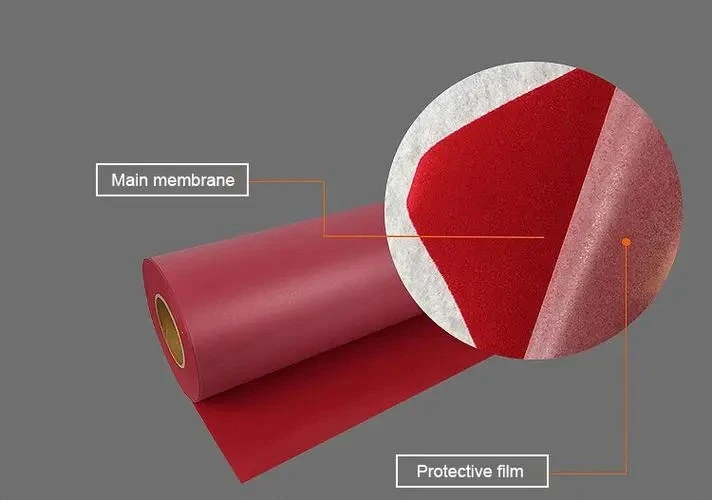

As a supplier of Hydrophilic TPU Film, we take great pride in offering films with excellent tear resistance. Our R & D team is constantly working on improving the tear resistance of our films by optimizing the molecular structure, using the right additives, and perfecting the manufacturing process. We understand the importance of tear resistance in various applications, and we strive to provide our customers with the best - quality films.
If you're in the market for Hydrophilic TPU Film, whether for medical or industrial applications, we'd love to talk to you. We can provide you with samples of our films so that you can test their tear resistance and other properties for yourself. Our team of experts can also help you choose the right film based on your specific requirements.
In conclusion, tear resistance is a crucial property of Hydrophilic TPU Film. It affects the performance and reliability of the film in various applications, especially in medical and industrial settings. By understanding the factors that affect tear resistance and using proper testing methods, we can ensure that we provide high - quality films that meet the needs of our customers. If you're interested in learning more or have any questions about our Hydrophilic TPU Film, don't hesitate to reach out and start a conversation about your procurement needs.
References:
- Standard testing methods for polymers and plastics related to tear resistance
- Research papers on the properties and applications of thermoplastic polyurethane films
- Industry reports on the use of Hydrophilic TPU Film in medical and industrial applications