

As a supplier of Eva Hot Adhesive Film, I often get asked about the product's abrasion resistance. Abrasion resistance is a crucial factor, especially in industries where the adhesive film is exposed to friction, rubbing, or wear and tear. In this blog, I'll delve into the details of whether Eva Hot Adhesive Film has good abrasion resistance.
Understanding Eva Hot Adhesive Film
Before we discuss abrasion resistance, let's briefly understand what Eva Hot Adhesive Film is. Eva, or ethylene-vinyl acetate, is a copolymer that is widely used in the production of hot adhesive films. These films are designed to bond different materials together when heated, providing a strong and durable connection. Eva Hot Adhesive Film is known for its flexibility, good adhesion to a variety of substrates, and its ability to withstand a range of environmental conditions. You can learn more about the Eva Hot-melt Adhesive Material on our website.
Factors Affecting Abrasion Resistance
Several factors contribute to the abrasion resistance of Eva Hot Adhesive Film. The composition of the Eva copolymer itself plays a significant role. The ratio of ethylene to vinyl acetate can affect the film's hardness, flexibility, and overall durability. A higher vinyl acetate content generally results in a more flexible and softer film, which may have different abrasion resistance characteristics compared to a film with a lower vinyl acetate content.
The manufacturing process also impacts abrasion resistance. The way the film is extruded, cooled, and treated during production can influence its surface properties and internal structure. For example, a well-controlled extrusion process can ensure a uniform thickness and a smooth surface, which can enhance the film's ability to resist abrasion.
The type of substrate the film is bonded to is another important factor. Different materials have different surface textures and hardness levels, which can affect how the adhesive film wears over time. For instance, bonding the Eva Hot Adhesive Film to a rough or abrasive substrate may subject it to more intense wear compared to a smooth substrate.
Testing Abrasion Resistance
To determine the abrasion resistance of Eva Hot Adhesive Film, various testing methods are available. One common method is the Taber abrasion test. In this test, a specimen of the adhesive film is mounted on a rotating platform, and a weighted abrasive wheel is applied to the surface of the film. The wheel rotates for a specified number of cycles, and the amount of material worn off the film is measured. This test provides a quantitative measure of the film's resistance to abrasion.
Another method is the Martindale abrasion test, which uses a rubbing motion to simulate real-world wear. The film specimen is rubbed against a standard abrasive fabric under a specified load for a certain number of cycles. The change in the film's appearance, thickness, or adhesion strength is then evaluated.
Real-World Performance
In real-world applications, the abrasion resistance of Eva Hot Adhesive Film can vary depending on the specific conditions. In the packaging industry, for example, Hot Melt Adhesives for Package are often subjected to handling, stacking, and transportation, which can cause abrasion. Eva Hot Adhesive Film has shown good performance in these applications, as it can withstand the friction and rubbing associated with the packaging process without losing its adhesive properties.
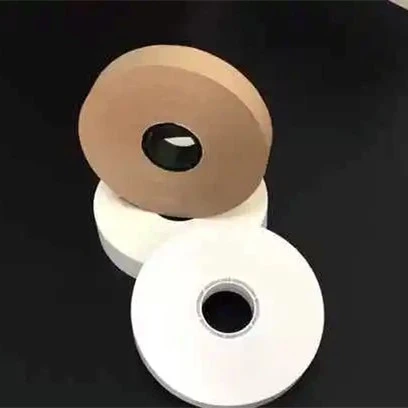

In the automotive industry, where components are exposed to vibration, movement, and contact with other parts, the abrasion resistance of the adhesive film is crucial. Eva Hot Adhesive Film has been used to bond interior trim components, and it has demonstrated the ability to resist abrasion over time, maintaining a strong bond between the materials.
Comparing with Other Adhesive Films
When comparing Eva Hot Adhesive Film with other types of adhesive films, its abrasion resistance can be considered competitive. For example, compared to some traditional solvent-based adhesives, Eva Hot Adhesive Film generally has better abrasion resistance due to its solid-state nature and the strong bond it forms with the substrates.
However, in some high-abrasion applications, other specialized adhesive films may offer superior performance. For instance, polyurethane-based adhesive films are known for their excellent abrasion resistance and are often used in applications where extreme wear is expected.
Improving Abrasion Resistance
If you need to improve the abrasion resistance of Eva Hot Adhesive Film for a specific application, there are several strategies you can consider. One approach is to modify the composition of the Eva copolymer. Adding additives such as abrasion-resistant fillers or reinforcing agents can enhance the film's ability to withstand wear.
Another option is to apply a protective coating on the surface of the film. This coating can act as a barrier between the film and the abrasive environment, reducing the direct contact and wear on the adhesive film.
Conclusion
In conclusion, Eva Hot Adhesive Film generally has good abrasion resistance, especially in many common applications. Its performance is influenced by factors such as its composition, manufacturing process, and the substrate it is bonded to. Through proper testing and selection, it can be a reliable choice for applications where abrasion is a concern.
As a Hot Melt Glue Manufacturer, we are committed to providing high-quality Eva Hot Adhesive Film with excellent abrasion resistance. If you are interested in our products or have any questions about the abrasion resistance of Eva Hot Adhesive Film, please feel free to contact us for further discussion and potential procurement. We look forward to working with you to meet your adhesive needs.
References
- ASTM D4060 - Standard Test Method for Abrasion Resistance of Organic Coatings by the Taber Abraser
- ISO 12947 - Textiles - Determination of abrasion resistance - Part 1: Martindale abrasion testing method