

Hey there! As a supplier of Hydrophilic TPU Film, I often get asked about the maximum temperature this nifty material can withstand. So, let's dive right into it and explore this topic in detail.
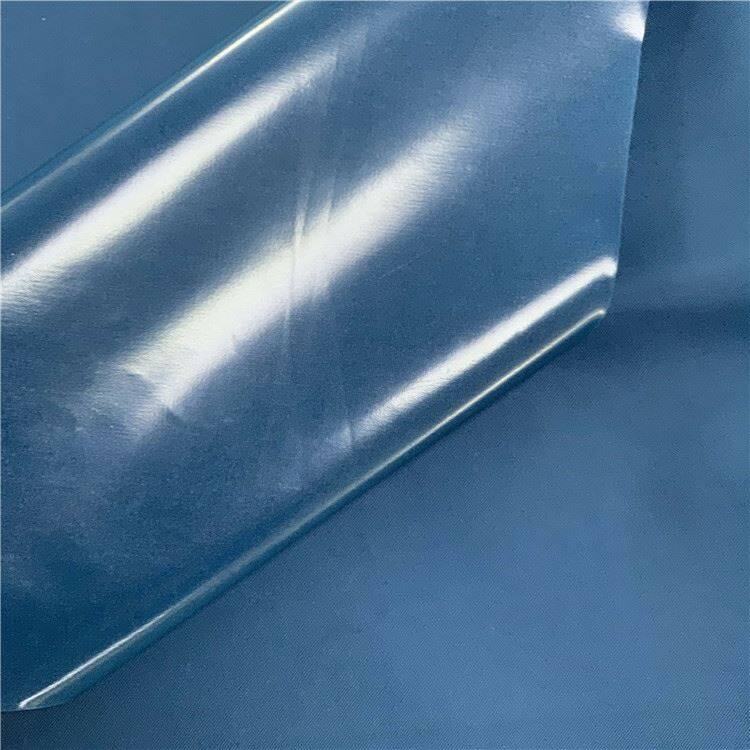
First off, let's understand what Hydrophilic TPU Film is. Hydrophilic TPU Film, as the name suggests, has a natural affinity for water. It's a thermoplastic polyurethane film that's been engineered to absorb and interact with water molecules. This property makes it super useful in a bunch of applications, especially in the medical field. You can check out more about its medical uses here: TPU Film Used In Medical.
Now, back to the main question: What's the max temperature it can handle? Well, it's not a one - size - fits - all answer. The maximum temperature tolerance of Hydrophilic TPU Film can vary depending on a few factors.
One of the key factors is the specific formulation of the film. Different manufacturers might use different additives and processing techniques to create their Hydrophilic TPU Films. These differences can have a big impact on how the film behaves under high temperatures. For instance, some formulations might include heat - stabilizers that help the film maintain its integrity at higher temperatures.
Another factor is the duration of exposure to high temperatures. A Hydrophilic TPU Film might be able to withstand a relatively high temperature for a short period of time without significant damage. But if it's exposed to that same temperature for a long time, it could start to break down.
On average, most Hydrophilic TPU Films can withstand temperatures up to around 80 - 100 degrees Celsius (176 - 212 degrees Fahrenheit) for short - term exposure. This means that if the film is only going to be in a high - temperature environment for a few minutes or hours, it should hold up okay within this temperature range.
However, for long - term exposure, the safe temperature range drops a bit. Typically, it's recommended to keep the film below 60 - 70 degrees Celsius (140 - 158 degrees Fahrenheit) for continuous use. If the film is exposed to temperatures above these ranges for extended periods, it can start to experience some changes.
At high temperatures, the film might start to lose its hydrophilic properties. The water - absorbing ability that makes it so useful could diminish as the polymer chains in the film start to break down. This can also lead to a change in the physical properties of the film, such as a loss of flexibility and an increase in brittleness.
In some extreme cases, if the temperature gets too high, the film could even start to melt or degrade chemically. This is obviously not ideal, as it would render the film useless for most applications.
If you're in the process of selecting a Hydrophilic TPU Film for your project, it's really important to consider the temperature conditions it will be exposed to. You can use our TPU Films Selector Tool to help you find the right film for your specific needs. It takes into account factors like temperature tolerance, as well as other important properties like water vapor transmission rate and tensile strength.
So, how can you tell if a Hydrophilic TPU Film is suitable for your high - temperature application? Well, one way is to look at the manufacturer's specifications. They should provide information about the film's temperature resistance, including both short - term and long - term limits. You can also ask for samples and conduct your own tests. Expose the samples to the temperatures and conditions you expect in your application and see how they perform.

It's also a good idea to consult with the manufacturer directly. As a supplier, we're always happy to help our customers figure out which film is the best fit for their projects. We can provide more detailed information about the specific properties of our Hydrophilic TPU Film and offer advice on how to use it in high - temperature environments.
In conclusion, while Hydrophilic TPU Film is a versatile and useful material, it does have its limits when it comes to high temperatures. By understanding the factors that affect its temperature tolerance and choosing the right film for your application, you can ensure that your project goes smoothly.
If you're interested in purchasing Hydrophilic TPU Film or have any questions about its temperature resistance or other properties, don't hesitate to reach out. We're here to help you find the perfect solution for your needs. Whether you're in the medical industry, the textile industry, or any other field that could benefit from Hydrophilic TPU Film, we've got you covered.
So, if you're looking for a reliable supplier of high - quality Hydrophilic TPU Film, just get in touch. We'll work with you to understand your requirements and provide you with the best product at a competitive price.
References:
- "Thermoplastic Polyurethanes: A Comprehensive Review" - Journal of Polymer Science
- "Properties and Applications of Hydrophilic Polymers" - Polymer Research International