

As a supplier of TPU hot melt adhesive, I'm often asked about how this remarkable product works. TPU, or Thermoplastic Polyurethane, hot melt adhesive is a versatile and widely used bonding solution in various industries. In this blog post, I'll delve into the science behind TPU hot melt adhesive, explaining its composition, application process, and the factors that contribute to its excellent bonding performance.
Composition of TPU Hot Melt Adhesive
TPU hot melt adhesive is primarily composed of thermoplastic polyurethane polymers. These polymers are a type of elastomer that combines the properties of plastics and rubbers. The unique molecular structure of TPU gives it several advantageous characteristics, such as high flexibility, abrasion resistance, and good chemical resistance.
In addition to the TPU polymers, other additives may be included in the formulation to enhance specific properties. For example, tackifiers are often added to increase the initial stickiness of the adhesive, making it easier to bond materials together. Plasticizers can be used to improve the flexibility and low - temperature performance of the adhesive. Antioxidants and UV stabilizers may also be incorporated to protect the adhesive from degradation over time due to exposure to oxygen and sunlight.
The Working Principle of TPU Hot Melt Adhesive
The fundamental working principle of TPU hot melt adhesive is based on its thermoplastic nature. At room temperature, TPU hot melt adhesive is in a solid state. When heat is applied, the adhesive softens and melts, transforming into a viscous liquid. This liquid state allows the adhesive to flow and wet the surfaces of the materials to be bonded.
Melting Process
The melting point of TPU hot melt adhesive can vary depending on its formulation. Generally, it melts in the range of 80 - 180°C (176 - 356°F). When the adhesive is heated to its melting point, the polymer chains in the TPU start to move more freely, reducing the viscosity of the adhesive. This enables the adhesive to spread evenly over the bonding surfaces.

Wetting and Bond Formation
Once the adhesive is in a molten state, it can wet the surfaces of the substrates. Wetting is a crucial step in the bonding process, as it determines how well the adhesive can adhere to the materials. Good wetting occurs when the adhesive can spread out and make intimate contact with the surface molecules of the substrates. This is influenced by factors such as the surface energy of the substrates and the viscosity of the molten adhesive.
As the adhesive cools down, the polymer chains start to re - arrange and solidify. During this solidification process, the adhesive forms strong intermolecular bonds with the surface molecules of the substrates. These bonds can be physical bonds, such as van der Waals forces, or chemical bonds, depending on the nature of the substrates and the adhesive formulation.
Application of TPU Hot Melt Adhesive
Textile Industry
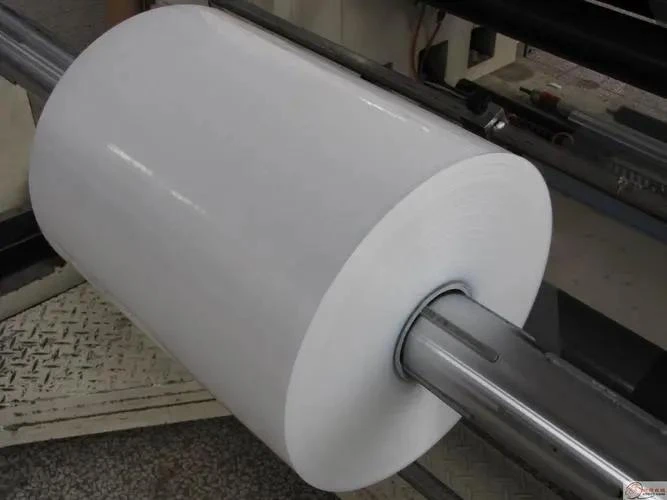
One of the most common applications of TPU hot melt adhesive is in the textile industry. TPU Hot Melt Adhesive Film for Textile is widely used for bonding different layers of fabrics, such as in the production of waterproof and breathable garments. The adhesive film can be cut into the desired shape and then applied between the fabric layers using heat and pressure. The heat melts the adhesive, and the pressure ensures good contact between the fabric and the adhesive, resulting in a strong and durable bond.
Electronics Industry
In the electronics industry, TPU hot melt adhesive is used for bonding components and protecting sensitive electronic parts. Its flexibility and good electrical insulation properties make it suitable for applications such as bonding circuit boards, attaching displays, and sealing electronic enclosures. The adhesive can be applied using various methods, such as dispensing or spraying, depending on the specific requirements of the application.
Packaging Industry
TPU hot melt adhesive is also used in the packaging industry for sealing cartons and boxes. It provides a fast - bonding solution that can withstand the stresses of handling and transportation. The adhesive can be applied to the flaps of the cartons using hot melt applicators, and the bond is formed quickly as the adhesive cools.
Factors Affecting the Bonding Performance of TPU Hot Melt Adhesive
Temperature
Temperature plays a critical role in the performance of TPU hot melt adhesive. If the heating temperature is too low, the adhesive may not melt completely, resulting in poor wetting and weak bonding. On the other hand, if the temperature is too high, the adhesive may degrade, leading to a loss of its bonding properties. Therefore, it is essential to control the heating temperature accurately during the application process.
Pressure
Applying the right amount of pressure during the bonding process is also important. Pressure helps to ensure good contact between the adhesive and the substrates, which promotes better wetting and stronger bond formation. Insufficient pressure may result in air bubbles or gaps between the adhesive and the substrates, weakening the bond.
Surface Preparation
The surface condition of the substrates can significantly affect the bonding performance of TPU hot melt adhesive. Surfaces should be clean, dry, and free of contaminants such as oil, dust, and grease. These contaminants can prevent the adhesive from wetting the surfaces properly, reducing the bond strength. In some cases, surface treatments such as sanding or chemical priming may be required to improve the adhesion of the adhesive.
Advantages of TPU Hot Melt Adhesive
Fast Bonding
TPU hot melt adhesive can form strong bonds quickly. Once the adhesive cools and solidifies, the bonding process is complete, allowing for rapid production cycles in manufacturing processes.
Flexibility
The flexibility of TPU hot melt adhesive makes it suitable for bonding materials that may undergo bending or stretching. This is particularly useful in applications such as textile and automotive interiors.
Chemical Resistance
TPU hot melt adhesive has good resistance to many chemicals, including oils, solvents, and water. This makes it suitable for use in harsh environments.
Contact for Procurement and Discussion
If you are interested in learning more about our TPU Hot Melt or TPU Hot Melt Adhesive Film products, or if you have specific requirements for your bonding applications, we would be more than happy to discuss them with you. Our team of experts can provide you with detailed product information, technical support, and customized solutions. Please feel free to reach out to us to start the conversation.
References
- Morton, J. (2019). Adhesives Technology Handbook. Elsevier.
- Oberth, C. (2017). Handbook of Adhesives and Sealants. McGraw - Hill Education.