

Hey there! As a supplier of polyurethane film, I often get asked about how its cost stacks up against other films. In this blog, I'm gonna break down the cost factors of polyurethane film and compare it with some other popular film types.
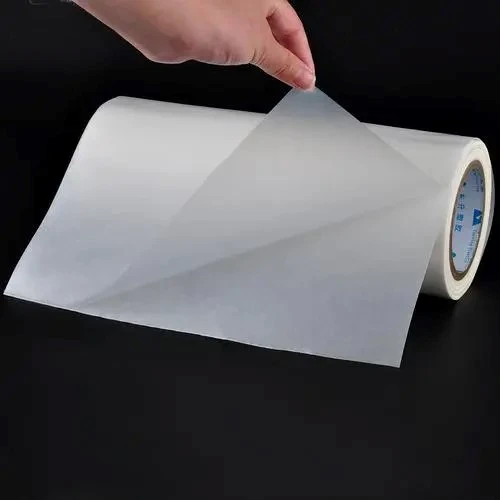
Let's first understand what polyurethane film is. Polyurethane film is a versatile material known for its excellent properties such as high elasticity, good abrasion resistance, and great chemical resistance. It has a wide range of applications, from industrial uses to outdoor covers and medical applications. You can check out more about these applications here: Pu Film for Industrial, Polyurethane Film for Outdoor Cover, and Polyurethane Film Medical.
Cost Factors of Polyurethane Film
The cost of polyurethane film is influenced by several factors. First off, the raw materials play a huge role. The chemicals used to make polyurethane are subject to market fluctuations. If the prices of these raw materials go up, it directly impacts the cost of the final film product.
Manufacturing processes also contribute to the cost. Producing polyurethane film often involves complex procedures that require specialized equipment and skilled labor. The quality control measures are strict, as any defect can lead to a sub - standard product. This means that the overall production cost is relatively high compared to some simpler film - making processes.
Another factor is the customization. Polyurethane film can be tailored to meet specific requirements in terms of thickness, hardness, and other properties. Custom - made films usually cost more because of the additional time and resources needed for development and production.
Comparison with Other Films
Polyethylene Film
Polyethylene film is one of the most commonly used films. It's widely available and has a relatively low cost. The raw materials for polyethylene are abundant, and the manufacturing process is well - established and simple. This simplicity allows for large - scale production at a low cost per unit.
In terms of price, polyethylene film is generally much cheaper than polyurethane film. However, when it comes to performance, there are significant differences. Polyethylene film lacks the high elasticity and abrasion resistance of polyurethane film. For applications where durability and flexibility are crucial, like in some industrial settings or outdoor covers, the extra cost of polyurethane film might be worth it.
Polypropylene Film
Polypropylene film is another popular option. It has good chemical resistance and is lightweight. Similar to polyethylene, its production process is relatively straightforward, resulting in a lower cost compared to polyurethane film.
But polypropylene film has limitations in terms of its mechanical properties. It's not as elastic as polyurethane film, and it may not perform as well under high - stress conditions. So, if you're looking for a film that can withstand a lot of wear and tear, you might need to consider the more expensive polyurethane alternative.
PVC Film
PVC film is known for its affordability and wide range of applications. It's used in everything from packaging to construction. The cost of PVC film is often lower than that of polyurethane film due to its relatively simple production and the availability of raw materials.
However, PVC film has some environmental concerns. It contains additives that can be harmful to the environment and human health. Polyurethane film, on the other hand, can be more environmentally friendly in some formulations. Also, in terms of performance, polyurethane film offers better resistance to hydrolysis and UV radiation in many cases, which is important for outdoor and long - term use.
Value of Polyurethane Film
Despite the higher cost, polyurethane film offers great value. Its superior performance in terms of durability, flexibility, and chemical resistance means that it can have a longer service life. This reduces the need for frequent replacements, which can actually save money in the long run.
For example, in industrial applications, a polyurethane film used as a protective layer can prevent damage to expensive equipment. The initial investment in the more expensive film is offset by the savings from avoiding equipment repairs or replacements.
In the medical field, the high - quality and hypoallergenic properties of polyurethane film make it a preferred choice. It can be used for wound dressings and medical devices, where its performance can directly impact patient care.
When to Choose Polyurethane Film
If you're in an industry where performance is non - negotiable, like the automotive or aerospace industries, polyurethane film is a worthy investment. Its ability to withstand extreme conditions and high stress makes it an ideal choice.
For outdoor applications, such as outdoor covers for machinery or furniture, the excellent UV resistance and durability of polyurethane film ensure that the covered items are well - protected for a long time. The extra cost is justified by the long - term protection it provides.
In the medical field, where patient safety and product performance are of utmost importance, the higher cost of polyurethane film is often overlooked in favor of its superior properties.
Is the Cost Justified?
Whether the cost of polyurethane film is justified depends on your specific needs. If you're on a tight budget and the application doesn't require high - end performance, a cheaper film like polyethylene or polypropylene might be sufficient.
But if you need a film that can handle tough conditions, last a long time, and provide top - notch performance, then the cost of polyurethane film is well - worth it. It's a matter of balancing your budget with the required functionality.
Conclusion
In conclusion, polyurethane film is more expensive than many other common films due to factors like raw material costs, complex manufacturing processes, and customization options. However, it offers superior performance in terms of elasticity, abrasion resistance, and chemical resistance.
If you're considering using a film for your project, I encourage you to evaluate your specific requirements carefully. Don't just focus on the upfront cost; think about the long - term benefits and savings. If you have any questions or are interested in purchasing polyurethane film, feel free to reach out. We can have a detailed discussion about your needs and find the best solution for you.
References
- "Plastic Films: Technology, Applications, and Markets" by Kevin O'Brien.
- "Polymer Science and Technology" textbooks that cover the manufacturing and properties of different polymer films.