

Polyurethane (PU) film has emerged as a revolutionary solution in the field of waterproofing building structures. As a leading supplier of Pu Film for Industrial, Polyurethane Film, and Polyurethane Film for Outdoor Cover, I have witnessed firsthand the transformative impact of this material on the construction industry. In this blog post, I will delve into the science behind how polyurethane film effectively waterproofs building structures.
Understanding Polyurethane Film
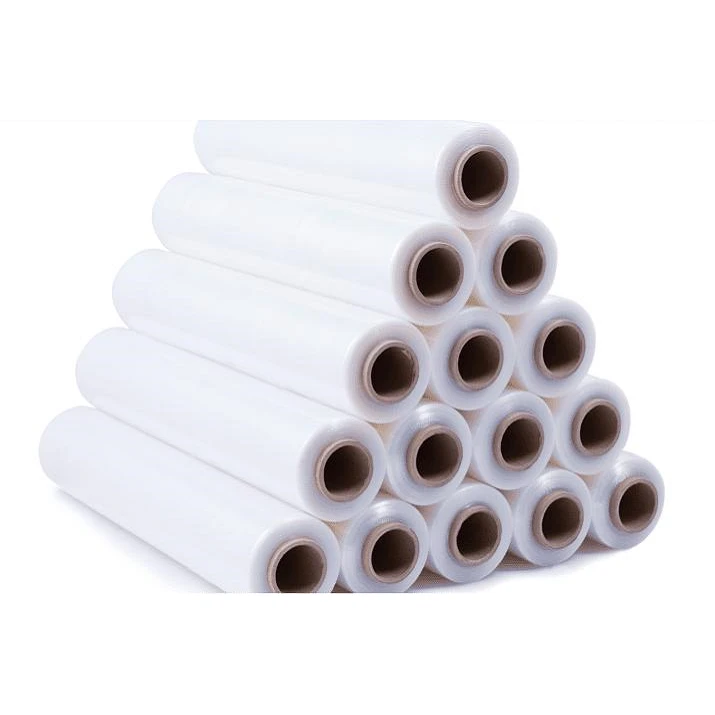
Polyurethane is a versatile polymer that can be engineered into a thin, flexible film with remarkable properties. These films are typically made by reacting diisocyanates with polyols, a process that can be precisely controlled to achieve the desired physical and chemical characteristics. The resulting PU film is known for its high tensile strength, excellent abrasion resistance, and, most importantly, its outstanding waterproofing capabilities.
The Waterproofing Mechanism of Polyurethane Film
1. Impermeable Barrier
The primary way in which polyurethane film waterproofs building structures is by creating an impermeable barrier. The molecular structure of PU film is densely packed, preventing water molecules from passing through. This is crucial for protecting building structures from water infiltration, which can lead to a host of problems such as mold growth, corrosion of building materials, and structural damage over time.
When applied to a building surface, the PU film adheres tightly, filling in any gaps, cracks, or pores in the substrate. This ensures that water cannot seep through the surface, whether it is from rain, groundwater, or condensation. For example, in a basement, where water pressure from the surrounding soil can be significant, a well - applied polyurethane film can effectively keep water out, protecting the foundation and the contents of the basement.
2. Hydrophobic Nature
Polyurethane film has inherent hydrophobic properties. Hydrophobic materials repel water, causing water droplets to bead up on the surface rather than spread out and soak in. This property is due to the non - polar nature of the chemical bonds in the polyurethane polymer.
In outdoor applications, such as on the roofs of buildings, the hydrophobic nature of the PU film helps to shed rainwater quickly. The water runs off the surface, reducing the amount of time the building is exposed to moisture. This not only prevents water from penetrating the roof but also minimizes the risk of water pooling, which can lead to leaks and structural damage over time.
3. Flexibility and Adaptability
Building structures are subject to various stresses, including thermal expansion and contraction, settlement, and seismic activity. Polyurethane film is highly flexible, which allows it to move and adapt to these structural movements without cracking or losing its waterproofing integrity.
For instance, in a multi - story building, the upper floors may experience more movement due to wind loads. A flexible polyurethane film can stretch and bend with the building, maintaining its waterproofing function. This is in contrast to some rigid waterproofing materials that may crack under stress, compromising their ability to keep water out.
Applications of Polyurethane Film in Building Waterproofing
1. Roofing
Roofing is one of the most common applications of polyurethane film for waterproofing. The film can be applied as a single - ply membrane or as part of a multi - layer roofing system. It provides long - term protection against water ingress, UV radiation, and extreme weather conditions.
There are different types of polyurethane films available for roofing, including thermoplastic polyurethane (TPU) and thermoset polyurethane. TPU films are easy to install and can be heat - welded at the seams, creating a seamless waterproofing layer. Thermoset polyurethane films, on the other hand, offer excellent chemical resistance and durability, making them suitable for industrial and commercial roofing applications.
2. Basements and Foundations
Basements and foundations are particularly vulnerable to water damage due to their proximity to groundwater. Polyurethane film can be applied to the exterior or interior of basement walls and floors to prevent water from seeping in.
Exterior applications involve applying the film directly to the foundation walls before backfilling. This creates a waterproof barrier between the soil and the foundation. Interior applications, on the other hand, are useful for retrofitting existing basements. The film can be installed on the walls and floors, protecting the interior space from water damage.

3. External Wall Cladding
Polyurethane film can also be used in external wall cladding systems to provide an additional layer of waterproofing. It can be applied to the sheathing material behind the cladding, preventing water from reaching the structural components of the wall.
In addition to waterproofing, the film can also act as a vapor barrier, controlling the movement of moisture through the wall. This helps to maintain a comfortable indoor environment and reduces the risk of condensation and mold growth within the wall cavity.
Advantages of Using Polyurethane Film for Building Waterproofing
1. Durability
Polyurethane film is highly durable, with a long service life. It can withstand exposure to harsh environmental conditions, including UV radiation, temperature extremes, and chemical exposure. This means that once installed, the film can provide reliable waterproofing for many years, reducing the need for frequent repairs and replacements.
2. Ease of Installation
Compared to some traditional waterproofing methods, such as bituminous membranes or cement - based coatings, polyurethane film is relatively easy to install. It can be applied using various methods, including spraying, rolling, or self - adhering. This reduces installation time and labor costs, making it an attractive option for both large - scale construction projects and small - scale repairs.
3. Versatility
Polyurethane film can be used on a wide range of building materials, including concrete, wood, metal, and plastic. This versatility makes it suitable for different types of building structures, from residential homes to commercial and industrial buildings.
Conclusion
Polyurethane film offers a comprehensive and effective solution for waterproofing building structures. Its ability to create an impermeable barrier, its hydrophobic nature, and its flexibility make it an ideal choice for protecting buildings from water damage. Whether it is used on roofs, basements, or external walls, the benefits of using polyurethane film are clear.
As a supplier of high - quality Pu Film for Industrial, Polyurethane Film, and Polyurethane Film for Outdoor Cover, I am committed to providing our customers with the best products and solutions for their building waterproofing needs. If you are interested in learning more about our polyurethane film products or would like to discuss a specific project, please feel free to reach out. We look forward to the opportunity to work with you and help you achieve a waterproof and durable building structure.
References
- "Polyurethane Technology and Applications" by D. Randall and S. Lee.
- "Building Waterproofing Handbook" by T. H. Spence.
- "Roofing Membrane Technology" by R. P. Kester.