

Hey there! As a supplier of TPU hot melt adhesive, I often get asked about what exactly goes into this stuff. So, in this blog, I'm gonna break down the chemical composition of TPU hot melt adhesive for you.
What's TPU Anyway?
First off, let's talk about TPU. TPU stands for Thermoplastic Polyurethane. It's a type of polymer that's super versatile. You can find it in all sorts of products, from sports equipment to automotive parts. What makes TPU so great is that it combines the best of rubber and plastic. It's flexible like rubber but can be molded and shaped like plastic when heated.
The Basic Building Blocks
The main components of TPU hot melt adhesive typically include three key parts: polyols, diisocyanates, and chain extenders.
Polyols
Polyols are like the backbone of TPU. They're long - chain molecules with multiple hydroxyl groups (-OH). There are different types of polyols, such as polyester polyols and polyether polyols.
Polyester polyols are known for their good mechanical properties and chemical resistance. They form strong bonds and are often used in applications where durability is a must. For example, in footwear manufacturing, where the adhesive needs to withstand constant bending and stretching.
On the other hand, polyether polyols are more flexible and have better hydrolysis resistance. This means they can hold up well in humid or wet conditions. So, if you're looking for an adhesive for outdoor or marine applications, polyether - based TPU hot melt adhesive might be a good choice.
Diisocyanates
Diisocyanates are the reactive part of the equation. They react with the polyols to form the polyurethane polymer. Common diisocyanates used in TPU production are MDI (Diphenylmethane Diisocyanate) and TDI (Toluene Diisocyanate).
MDI is widely used because it offers good reactivity and results in a polymer with excellent physical properties. It's often used in high - performance TPU hot melt adhesives. TDI, on the other hand, is more volatile and has some health concerns associated with it, so its use is more restricted in certain applications.
Chain Extenders
Chain extenders are small molecules that help to link the polymer chains together. They play a crucial role in determining the final properties of the TPU. Common chain extenders include 1,4 - Butanediol (BDO) and Ethylene Glycol (EG).
By adjusting the amount and type of chain extender, we can control the hardness, flexibility, and other properties of the TPU hot melt adhesive. For example, using more chain extender can result in a harder and more rigid TPU, while using less can make it more flexible.
Additives in TPU Hot Melt Adhesive
In addition to the main components, TPU hot melt adhesive often contains additives to enhance its performance.
Stabilizers
Stabilizers are added to prevent the TPU from degrading over time. Oxidation, heat, and UV light can all cause the polymer to break down, which can reduce the adhesive's performance. Antioxidants and UV stabilizers are commonly used to protect the TPU from these factors.

Plasticizers
Plasticizers are used to increase the flexibility and workability of the TPU hot melt adhesive. They make the adhesive easier to apply and can improve its adhesion to different substrates. However, the choice of plasticizer is important because some can migrate out of the adhesive over time, which can affect its long - term performance.
Fillers
Fillers are sometimes added to reduce the cost of the adhesive or to improve its mechanical properties. Common fillers include calcium carbonate and silica. These fillers can increase the stiffness and strength of the TPU, but they need to be carefully selected and dispersed to avoid affecting the adhesive's flow and adhesion properties.
Why TPU Hot Melt Adhesive is Awesome
Now that you know what's in it, let's talk about why TPU hot melt adhesive is so popular.
One of the biggest advantages is its excellent adhesion. It can bond well to a wide range of materials, including textiles, plastics, metals, and rubbers. Whether you're making a high - end fashion garment or a durable industrial product, TPU hot melt adhesive can get the job done.
It's also very easy to use. Since it's a thermoplastic, it can be melted and applied using simple hot melt equipment. This means faster production times and lower costs.
And let's not forget about its environmental friendliness. Compared to some traditional solvents - based adhesives, TPU hot melt adhesive doesn't release harmful volatile organic compounds (VOCs) during the application process. This makes it a more sustainable choice for manufacturers.
Our Product Range
As a TPU hot melt adhesive supplier, we offer a wide range of products to meet different customer needs. If you're in the textile industry, you might be interested in our TPU Hot Melt Adhesive Film for Textile. It's specially designed to bond fabrics together without affecting their breathability or flexibility.
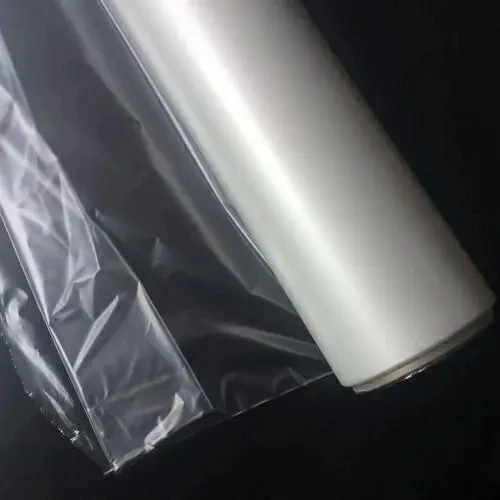
We also have general TPU Hot Melt products that can be used in various applications, from automotive interiors to electronic device assembly. And our TPU Hot Melt Adhesive Film is perfect for applications where a thin, uniform layer of adhesive is required.
Let's Talk Business
If you're in the market for TPU hot melt adhesive, I'd love to have a chat with you. Whether you need a small sample to test out or a large - scale supply for your production line, we've got you covered. Our team of experts can help you choose the right product for your specific application and provide you with all the technical support you need. So, don't hesitate to reach out and let's start a conversation about how we can work together to meet your adhesive needs.
References
- Polymer Science: A Comprehensive Introduction by Bill Carraher
- Handbook of Adhesives and Surface Preparation: Technology, Applications and Manufacturing by K.L. Mittal