

Bonding strength is a critical parameter when evaluating the quality and performance of any adhesive material. In the case of TPU Hot Melt, understanding its bonding strength is essential for applications across various industries. As a TPU Hot Melt supplier, I am well - versed in the intricacies of this remarkable material and am excited to share insights into its bonding strength.
Understanding TPU Hot Melt
TPU, or Thermoplastic Polyurethane, is a type of polymer that combines the properties of rubber and plastic. TPU Hot Melt TPU Hot Melt is an adhesive form of TPU that is solid at room temperature and becomes fluid when heated. This characteristic makes it highly versatile for bonding different substrates.
The main advantage of TPU Hot Melt lies in its ability to form strong bonds quickly once it cools down and solidifies. It can adhere to a wide range of materials, including textiles, plastics, metals, and wood. This broad compatibility is one of the reasons why TPU Hot Melt has gained popularity in industries such as footwear, automotive, and textiles.
Factors Affecting the Bonding Strength of TPU Hot Melt
1. Substrate Material
The type of substrate to which the TPU Hot Melt is applied significantly impacts the bonding strength. Different materials have different surface energies, porosities, and chemical compositions. For example, bonding TPU Hot Melt to a smooth, non - porous plastic surface may require different processing conditions compared to bonding it to a rough, porous textile.
Textiles, especially those with a high fiber content, can provide a good mechanical interlocking surface for the TPU Hot Melt. The molten TPU can penetrate into the fiber structure, creating a strong bond when it solidifies. On the other hand, plastics with low surface energy may need surface treatment, such as corona treatment or plasma treatment, to increase the bonding strength.
2. Temperature
Temperature plays a crucial role in the bonding process of TPU Hot Melt. When heated to the appropriate temperature, TPU Hot Melt reaches its melting point and becomes fluid, allowing it to flow and wet the substrate surface. If the temperature is too low, the TPU may not melt completely, resulting in poor wetting and a weak bond. Conversely, if the temperature is too high, the TPU may degrade, losing its adhesive properties.

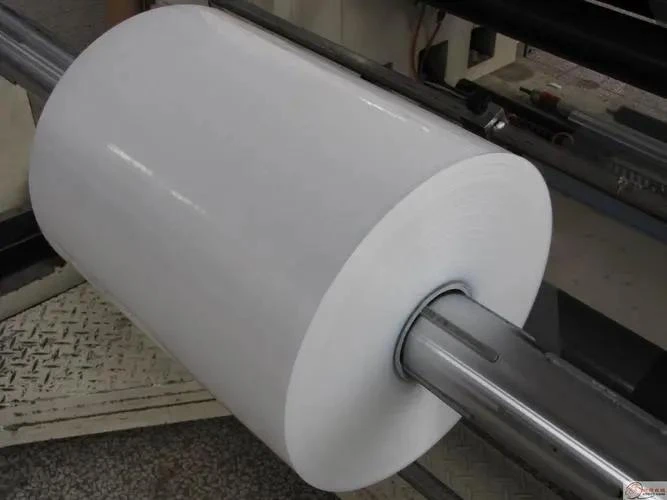
The ideal application temperature for TPU Hot Melt varies depending on the specific formulation. Generally, it ranges from 120°C to 180°C. Precise temperature control during the bonding process is essential to achieve the optimal bonding strength.
3. Pressure
Applying the right amount of pressure during the bonding process is necessary to ensure good contact between the TPU Hot Melt and the substrate. Pressure helps the molten TPU to spread evenly across the surface and fill any gaps or irregularities. Insufficient pressure may result in air pockets or incomplete bonding, reducing the overall strength of the bond.
The pressure required depends on the substrate material and the application method. For example, in some textile applications, a light pressure may be sufficient, while in automotive applications where bonding to metal or plastic parts is involved, higher pressures may be needed.
4. Cooling Rate
The rate at which the TPU Hot Melt cools down after application also affects the bonding strength. A rapid cooling rate can cause internal stresses in the bond, potentially leading to reduced strength. On the other hand, a slow cooling rate allows the TPU to crystallize properly, which can enhance the bond's mechanical properties.
In industrial applications, the cooling rate is often controlled through the use of cooling equipment or by adjusting the production line speed.
Measuring the Bonding Strength of TPU Hot Melt
There are several methods available to measure the bonding strength of TPU Hot Melt. One of the most common methods is the peel test. In a peel test, a bonded sample is prepared, and a force is applied to peel the two substrates apart at a constant rate. The maximum force required to separate the substrates is recorded as the peel strength.
Another method is the shear test. In a shear test, a force is applied parallel to the bonded surface, and the maximum force the bond can withstand before failure is measured. The shear strength is an important parameter, especially in applications where the bond is subjected to lateral forces.
Applications and the Required Bonding Strength
Textile Industry
In the textile industry, TPU Hot Melt Adhesive Film for Textile is widely used for applications such as garment lamination, seam sealing, and bonding decorative elements. For garment lamination, a relatively high bonding strength is required to ensure that the different layers of fabric stay together during normal wear and washing. The bonding strength should be sufficient to withstand the mechanical stresses caused by movement and friction.
Footwear Industry
The footwear industry also relies heavily on TPU Hot Melt. It is used for bonding the upper part of the shoe to the sole, as well as for attaching various decorative and functional components. In this application, the bonding strength needs to be high enough to withstand the repeated bending and stretching that occurs during walking and running. Additionally, the bond should be resistant to moisture and chemicals, as shoes are often exposed to different environmental conditions.
Automotive Industry
In the automotive industry, TPU Hot Melt is used for interior trim bonding, such as attaching fabric or leather to plastic or metal parts. The bonding strength must be high enough to ensure that the trim components remain in place during the vehicle's lifetime. Moreover, the bond should be able to withstand temperature variations, vibrations, and mechanical shocks.
Our TPU Hot Melt Products and Their Bonding Strength
As a TPU Hot Melt supplier, we have developed a range of products with different bonding strengths to meet the diverse needs of our customers. Our TPU Hot Melt Adhesive Film products are formulated using high - quality TPU materials and advanced manufacturing processes.
We conduct rigorous quality control tests on all our products to ensure that they meet or exceed the industry standards for bonding strength. Our technical team is also available to provide customized solutions based on the specific requirements of our customers, such as adjusting the formulation to achieve a higher bonding strength for a particular substrate or application.
Conclusion
The bonding strength of TPU Hot Melt is a complex property that is influenced by multiple factors, including substrate material, temperature, pressure, and cooling rate. Understanding these factors and how they interact is crucial for achieving optimal bonding results in various applications.
As a TPU Hot Melt supplier, we are committed to providing our customers with high - quality products with excellent bonding strength. Whether you are in the textile, footwear, automotive, or any other industry that requires reliable adhesive solutions, we have the expertise and products to meet your needs.
If you are interested in our TPU Hot Melt products and would like to discuss your specific requirements, we encourage you to reach out to us for a procurement discussion. We look forward to collaborating with you to find the best adhesive solutions for your business.
References
- "Handbook of Adhesive Technology", Second Edition, edited by Skeist, I.
- "Thermoplastic Elastomers: A Comprehensive Review", by Holden, G., Kricheldorf, H. R., and Quirk, R. P.
- Industry research reports on the use of TPU Hot Melt in different sectors.