

In the dynamic landscape of automotive manufacturing, the choice of adhesives plays a pivotal role in ensuring the structural integrity, durability, and overall performance of vehicles. Among the various types of adhesives available, Polyamide (PA) Hot Melt Adhesives have emerged as a compelling option for automotive applications. As a leading supplier of Pa Hot Melt Adhesives, I am excited to delve into the potential of these adhesives in the automotive industry.
Understanding PA Hot Melt Adhesives
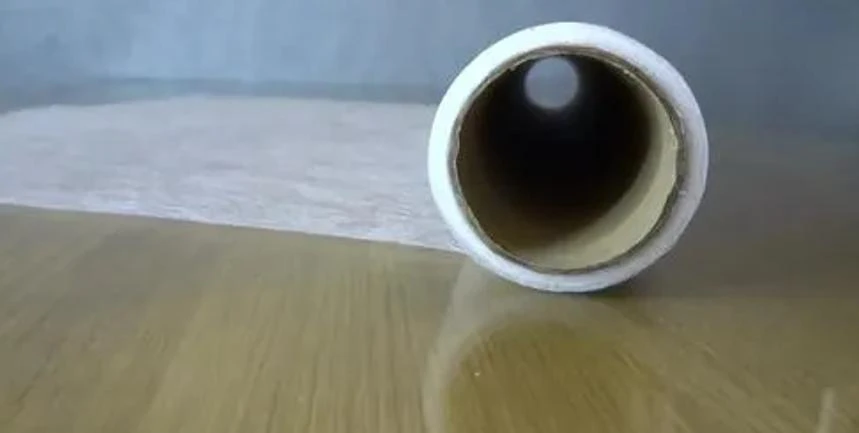
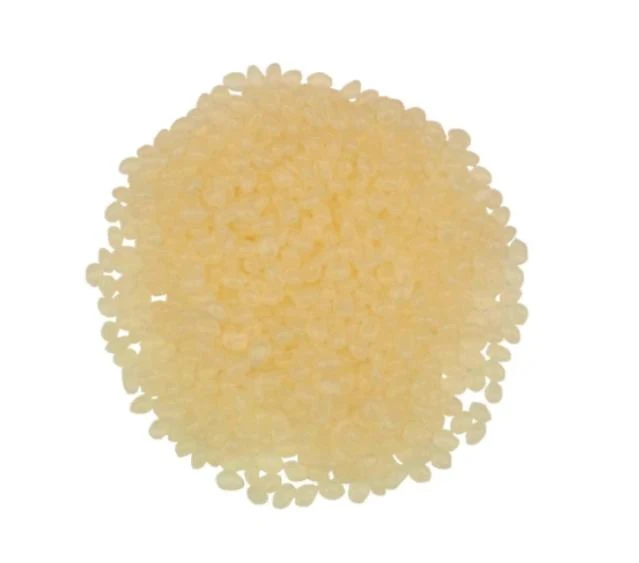
PA Hot Melt Adhesives are thermoplastic adhesives that are solid at room temperature and become fluid when heated. They are formulated from polyamide resins, which offer a unique combination of properties such as high strength, excellent adhesion, and good chemical resistance. These adhesives are typically applied in a molten state using specialized equipment, and they solidify rapidly upon cooling, forming a strong bond between the substrates.
One of the key advantages of PA Hot Melt Adhesives is their versatility. They can be used to bond a wide range of materials commonly found in automotive applications, including metals, plastics, composites, and fabrics. This makes them suitable for a variety of assembly processes, from interior trim installation to structural bonding.
Advantages of Using PA Hot Melt Adhesives in Automotive Applications
1. High Strength and Durability
In the automotive industry, where safety and reliability are paramount, the strength and durability of adhesives are crucial. PA Hot Melt Adhesives offer high bond strength, which helps to ensure that components remain securely attached even under harsh operating conditions. They can withstand vibrations, shocks, and temperature variations, making them ideal for use in critical automotive applications such as body panel bonding and chassis assembly.
2. Excellent Adhesion to Diverse Substrates
Automotive manufacturers often work with a variety of materials, each with its own surface characteristics. PA Hot Melt Adhesives have excellent adhesion properties, allowing them to bond effectively to different substrates, including painted surfaces, powder-coated metals, and engineered plastics. This versatility eliminates the need for surface preparation techniques such as priming or sanding, reducing production time and costs.
3. Fast Setting Time
Time is of the essence in automotive manufacturing, and PA Hot Melt Adhesives offer a significant advantage in terms of setting time. These adhesives solidify rapidly upon cooling, allowing for quick assembly and reduced production cycle times. This fast setting time also enables manufacturers to increase throughput and meet tight production schedules.
4. Chemical Resistance
Automotive components are exposed to a variety of chemicals, including fuels, oils, solvents, and cleaning agents. PA Hot Melt Adhesives exhibit good chemical resistance, protecting the bonded joints from degradation and ensuring long-term performance. This makes them suitable for use in applications where exposure to chemicals is likely, such as engine compartments and fuel systems.
5. Environmental Friendliness
In recent years, there has been a growing emphasis on environmental sustainability in the automotive industry. PA Hot Melt Adhesives are solvent-free and do not emit volatile organic compounds (VOCs) during application, making them a more environmentally friendly alternative to traditional solvent-based adhesives. They also have a lower carbon footprint compared to other adhesive technologies, contributing to a greener manufacturing process.
Applications of PA Hot Melt Adhesives in the Automotive Industry
1. Interior Trim Assembly
PA Hot Melt Adhesives are widely used in the assembly of automotive interior trim components, such as door panels, dashboard covers, and seat upholstery. These adhesives provide a strong and durable bond, ensuring that the trim pieces remain securely attached and free from rattling or squeaking. They also offer excellent aesthetic properties, allowing for a seamless and professional finish.
2. Exterior Body Panel Bonding
In automotive body assembly, PA Hot Melt Adhesives are used to bond exterior body panels, such as fenders, hoods, and trunk lids. These adhesives provide a strong and flexible bond, which helps to improve the structural integrity of the vehicle and reduce the risk of panel separation. They also offer good resistance to weathering and corrosion, ensuring long-term durability.
3. Electrical Component Assembly
PA Hot Melt Adhesives are also used in the assembly of automotive electrical components, such as wiring harnesses, connectors, and sensors. These adhesives provide a reliable and secure bond, protecting the electrical components from vibration, moisture, and other environmental factors. They also offer good electrical insulation properties, preventing short circuits and other electrical problems.
4. Glass Bonding
In automotive glazing applications, PA Hot Melt Adhesives are used to bond windshields, side windows, and rear windows to the vehicle body. These adhesives provide a strong and flexible bond, which helps to improve the structural integrity of the vehicle and reduce the risk of glass breakage. They also offer good resistance to weathering and UV radiation, ensuring long-term durability.
Case Study: Henkel Technomelt Pa 7802 Polyamide Hot Melt
One example of a high-performance PA Hot Melt Adhesive used in automotive applications is the Henkel Technomelt Pa 7802 Polyamide Hot Melt. This adhesive is specifically formulated for use in automotive interior trim assembly, offering excellent adhesion to a wide range of substrates, including ABS, PVC, and polypropylene. It also has a fast setting time, allowing for quick assembly and reduced production cycle times.
In a recent case study, a major automotive manufacturer used the Henkel Technomelt Pa 7802 Polyamide Hot Melt to bond door panel trim components. The adhesive provided a strong and durable bond, ensuring that the trim pieces remained securely attached even after extensive testing. The fast setting time of the adhesive also allowed the manufacturer to increase throughput and meet tight production schedules.
Challenges and Considerations
While PA Hot Melt Adhesives offer many advantages for automotive applications, there are also some challenges and considerations that need to be addressed. One of the main challenges is the high processing temperature required for these adhesives. PA Hot Melt Adhesives typically have a melting point in the range of 150°C to 200°C, which requires specialized equipment and careful temperature control to ensure proper application.
Another consideration is the sensitivity of PA Hot Melt Adhesives to moisture. These adhesives can absorb moisture from the environment, which can affect their performance and adhesion properties. To prevent moisture absorption, it is important to store and handle the adhesives in a dry environment and to use them within the recommended shelf life.
Conclusion
In conclusion, PA Hot Melt Adhesives offer a compelling solution for automotive applications, providing high strength, excellent adhesion, fast setting time, and good chemical resistance. These adhesives are versatile and can be used to bond a wide range of materials commonly found in automotive manufacturing, making them suitable for a variety of assembly processes.
As a supplier of Polyamide Hot Melt Adhesives, we are committed to providing our customers with high-quality products and technical support. If you are interested in learning more about how PA Hot Melt Adhesives can benefit your automotive manufacturing processes, please contact us to discuss your specific requirements. We look forward to the opportunity to work with you and help you achieve your production goals.
References
- "Polyamide Hot Melt Adhesives: Properties and Applications." Adhesives Magazine, Vol. XX, Issue XX, pp. XX-XX.
- "Automotive Adhesives: Trends and Technologies." Automotive Engineering International, Vol. XX, Issue XX, pp. XX-XX.
- "Henkel Technomelt Pa 7802 Polyamide Hot Melt Product Data Sheet." Henkel Corporation.