

As a TPU film supplier, I often receive inquiries from customers about making TPU films fire - resistant. Fire - resistant TPU films are in high demand across various industries, including automotive, construction, and electronics, where safety regulations require materials to have a certain level of fire resistance. In this blog, I will delve into the additives used to make TPU film fire - resistant.
Understanding TPU Film
Thermoplastic Polyurethane (TPU) is a versatile material known for its excellent elasticity, abrasion resistance, and transparency. It is widely used in applications such as Hot-melt Adhesive Pvc Film for Laminating with Fabrics, Heat Pressing Adhesive Film, and TPU Film for Bed Cover. However, TPU is inherently flammable, which limits its use in fire - sensitive environments. To overcome this limitation, fire - retardant additives are incorporated into the TPU matrix.
Types of Fire - Retardant Additives for TPU Film
Halogen - Based Additives
Halogen - based fire retardants, such as brominated and chlorinated compounds, have been widely used in the past due to their high efficiency. When exposed to fire, these additives release halogen radicals that react with the free radicals generated during the combustion process, interrupting the chain reaction and suppressing the fire.
For example, decabromodiphenyl ether (DecaBDE) was a commonly used brominated fire retardant. However, concerns about the environmental impact and potential health risks associated with halogen - based fire retardants have led to increased regulations and restrictions on their use. Many countries have phased out or restricted the use of certain halogen - based fire retardants, such as some brominated flame retardants, due to their persistence, bioaccumulation, and potential toxicity.
Phosphorus - Based Additives
Phosphorus - based fire retardants are an alternative to halogen - based additives. They work through several mechanisms, including char formation, dilution of combustible gases, and radical scavenging. When heated, phosphorus - based additives decompose to form a protective char layer on the surface of the TPU film. This char layer acts as a barrier, reducing the heat transfer to the underlying material and preventing the release of combustible gases.
There are different types of phosphorus - based fire retardants, such as organic phosphates and phosphonates. Organic phosphates, like triphenyl phosphate (TPP), are widely used in TPU formulations. They are effective in reducing the flammability of TPU and can also improve the mechanical properties of the film to some extent. Phosphonates, on the other hand, offer better thermal stability and are less likely to migrate out of the TPU matrix compared to some organic phosphates.
Nitrogen - Based Additives
Nitrogen - based fire retardants are another group of environmentally friendly options. They work mainly through the release of non - combustible gases, such as nitrogen and ammonia, when exposed to high temperatures. These gases dilute the combustible gases in the vicinity of the fire, reducing the oxygen concentration and suppressing the combustion process.
Melamine and its derivatives are common nitrogen - based fire retardants used in TPU. Melamine acts as a source of nitrogen and decomposes endothermically, absorbing heat from the surrounding environment. The decomposition products form a foamy char layer that insulates the TPU film and prevents the spread of fire.
Mineral - Based Additives
Mineral - based fire retardants, such as aluminum hydroxide (ATH) and magnesium hydroxide (MDH), are also used in TPU film formulations. These additives work through endothermic decomposition reactions. When heated, ATH and MDH decompose, releasing water vapor and absorbing heat in the process. This cooling effect reduces the temperature of the TPU film and slows down the combustion reaction.
In addition to their fire - retardant properties, mineral - based additives can also improve the mechanical strength and smoke suppression properties of the TPU film. However, the high loading levels required for effective fire retardancy can sometimes affect the transparency and flexibility of the film.
Considerations for Choosing Fire - Retardant Additives
Regulatory Compliance
One of the most important considerations when choosing fire - retardant additives is regulatory compliance. Different industries and regions have specific fire safety standards and regulations. For example, the automotive industry may have regulations regarding the flammability of interior materials, while the construction industry may require TPU films to meet certain fire rating requirements. It is essential to ensure that the selected additives comply with the relevant regulations to avoid legal issues and ensure the safety of the end - product.
Impact on TPU Properties
The addition of fire - retardant additives can have an impact on the physical and mechanical properties of the TPU film. For example, high loading levels of mineral - based additives can increase the stiffness of the film and reduce its transparency. Halogen - based additives may also affect the color and odor of the TPU film. Therefore, it is necessary to carefully balance the fire - retardant performance with the desired properties of the film, such as flexibility, transparency, and adhesion.
Cost - Effectiveness
Cost is another important factor to consider when choosing fire - retardant additives. Some additives, such as certain phosphorus - based fire retardants, may be more expensive than others. However, the cost should be evaluated in terms of the overall performance and the requirements of the application. A cost - effective solution should provide the desired fire - retardant performance while maintaining the quality and properties of the TPU film at a reasonable price.
Our Offerings as a TPU Film Supplier
As a TPU film supplier, we understand the importance of providing high - quality fire - resistant TPU films that meet the diverse needs of our customers. We offer a range of TPU films with different fire - retardant additives, carefully selected to ensure optimal performance and compliance with relevant regulations.
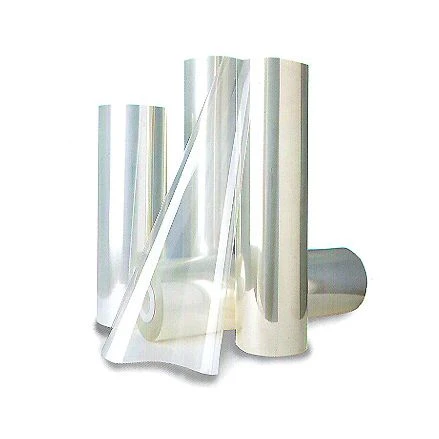
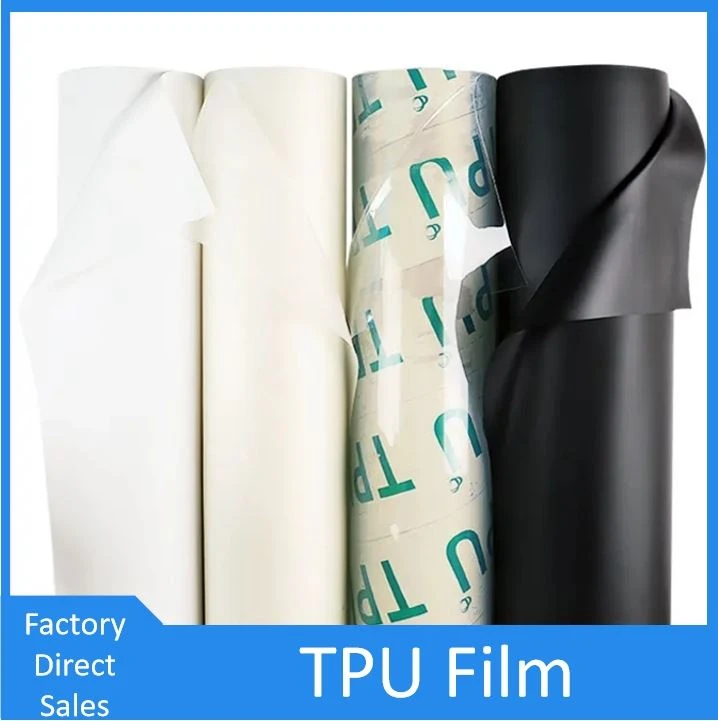
Our technical team is experienced in formulating TPU films with the right balance of fire - retardant properties and other desired characteristics, such as flexibility, transparency, and adhesion. We can also work closely with our customers to develop custom - made TPU films with specific fire - retardant requirements.
If you are in the market for fire - resistant TPU films or have questions about the best additives for your application, we encourage you to get in touch with us. Our sales team is ready to assist you with product information, samples, and pricing. Contact us today to start a discussion about your TPU film needs and explore how we can provide the ideal solution for your project.
References
- Weil, E. D., & Levchik, S. V. (Eds.). (2008). Fire Retardancy of Polymers: New Strategies and Mechanisms. Wiley.
- Troitzsch, J. M. (2004). International Plastics Flammability Handbook: Principles, Regulations, Testing and Approval. Hanser Publishers.
- Horrocks, A. R., & Price, D. (Eds.). (2001). Fire Retardancy of Textiles. Woodhead Publishing.