

Hey there! As a supplier of Medical Surgical Film, I often get asked this question: "Is it possible to recycle medical surgical film?" Well, let's dig into this topic and find out.
First off, let's understand what medical surgical film is. Medical surgical films are widely used in the healthcare industry. They serve a variety of purposes, like protecting patients from infections during surgeries, covering medical equipment to keep it clean, and more. These films are designed to meet strict medical standards to ensure they are safe and effective for use in a medical environment.

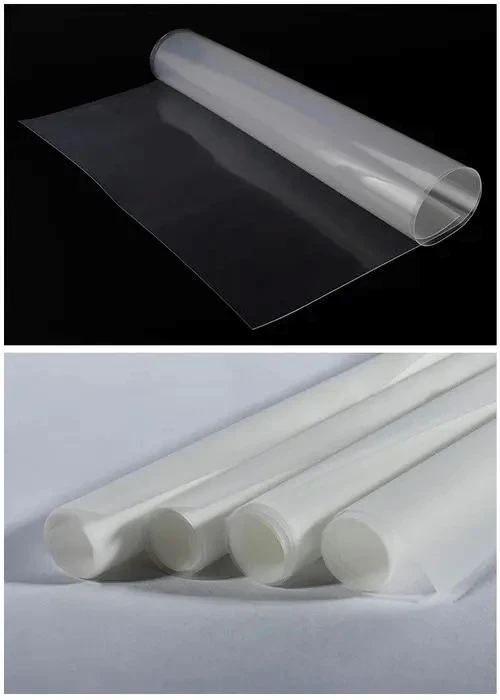
Now, when it comes to recycling, things get a bit tricky. Medical surgical films are usually made from materials like polyvinyl chloride (PVC), polyethylene (PE), or thermoplastic polyurethane (TPU). Each of these materials has its own characteristics and recycling challenges.
Let's start with PVC. PVC is a common material in medical products because it's flexible, durable, and relatively inexpensive. However, PVC is not the easiest material to recycle. When PVC is recycled, it can release harmful chemicals like dioxins, which are extremely toxic. These chemicals can pose a serious threat to the environment and human health. So, recycling PVC medical surgical film requires special facilities and processes to ensure that these harmful chemicals are properly managed.
Polyethylene, on the other hand, is a bit more recyclable. PE is a widely used plastic that can be melted down and reused to make new products. But medical surgical films made of PE often have additives and coatings that can contaminate the recycling process. These additives are used to give the film certain properties, like antibacterial or anti - fogging features. Removing these additives during the recycling process can be difficult and costly.
Then there's TPU. TPU is a popular choice for medical surgical films because it's strong, flexible, and has good chemical resistance. You can check out Medical Grade TPU Film for more info on this amazing material. TPU is more environmentally friendly compared to PVC and can be recycled to some extent. However, just like PE, medical TPU films may have special coatings or treatments that make recycling a challenge.
Another factor that complicates the recycling of medical surgical film is contamination. Medical films are used in a medical setting, which means they can be contaminated with blood, bodily fluids, or other potentially infectious materials. Before recycling, these films need to be properly decontaminated. This adds an extra step and cost to the recycling process.
Despite these challenges, it's not impossible to recycle medical surgical film. Some companies are working on developing innovative recycling technologies. For example, they are looking for ways to remove the additives and coatings from the films without releasing harmful chemicals. There are also efforts to standardize the decontamination process to make it more efficient and cost - effective.
One of the potential solutions is to use more recyclable materials in the first place. For instance, TPU Film for Air Bed and TPU Film for Sofa show that TPU can be used in different applications. By promoting the use of more sustainable materials like TPU and improving the design of medical surgical films, we can make the recycling process easier.
In addition, the healthcare industry as a whole needs to be more aware of the importance of recycling. Hospitals and clinics can play a big role by implementing proper waste management systems. They can separate medical surgical films from other medical waste and send them to specialized recycling facilities.
As a supplier, I'm committed to promoting sustainable practices. I'm constantly looking for ways to improve the recyclability of our products. We're working with research institutions and other industry players to develop better recycling solutions.
So, to answer the question, yes, it is possible to recycle medical surgical film, but it's not without its challenges. It requires a combination of technological innovation, proper waste management, and a commitment from the entire healthcare supply chain.
If you're in the market for high - quality medical surgical film and want to be part of the sustainable solution, I'd love to talk to you. Whether you're a hospital administrator, a medical equipment manufacturer, or someone else in the healthcare industry, we can work together to find the best products for your needs. Let's have a chat about how we can make your medical film usage more environmentally friendly.
References
- "Plastics in Medical Applications: Recycling and Sustainability", Journal of Medical Plastics Research
- "Challenges in Recycling Medical Waste", Environmental Health Perspectives