

When it comes to choosing high-quality functional TPU (Thermoplastic Polyurethane) film, there are numerous factors that need to be taken into consideration. As a supplier of functional TPU film, I have witnessed firsthand the diverse requirements of different industries and applications. In this blog, I will share some key insights on how to make an informed decision when selecting the right TPU film for your specific needs.
Understanding the Basics of TPU Film
TPU film is a versatile material known for its excellent elasticity, abrasion resistance, and transparency. It can be customized to have various functional properties, making it suitable for a wide range of applications, from automotive and electronics to medical and sports equipment. Before diving into the selection process, it's important to understand the basic types of TPU film and their general characteristics.
There are two main types of TPU: polyester-based and polyether-based. Polyester-based TPU offers high resistance to oils, solvents, and abrasion, making it ideal for applications where durability is crucial. On the other hand, polyether-based TPU has better hydrolysis resistance, which means it can withstand exposure to water and moisture for extended periods without degradation. This makes it a popular choice for outdoor and marine applications.
Key Factors to Consider When Choosing TPU Film
1. Functional Requirements
The first step in choosing the right TPU film is to clearly define your functional requirements. Different applications demand different properties from the film. For example, if you are looking for a film for use in a high-temperature environment, you need to choose a TPU film with good heat resistance.
- Flame Retardancy: In applications where fire safety is a concern, such as in the construction or automotive industries, flame retardant TPU film is essential. Our Flame Retardant TPU Film is designed to meet strict fire safety standards and can significantly reduce the risk of fire spread.
- Mechanical Properties: Consider the required strength, flexibility, and tear resistance of the film. For applications like bicycle tires, where the film needs to withstand high pressure and constant movement, a TPU film with high tensile strength and good tear resistance is necessary. Our TPU Film for Bicycle Tires is engineered to provide excellent mechanical properties, ensuring long-lasting performance.
- Adhesion: If the TPU film needs to be bonded to other materials, such as fabrics or plastics, good adhesion properties are crucial. Make sure to choose a film that has been specifically formulated for the intended substrate to ensure a strong and durable bond.
2. Thickness and Width
The thickness and width of the TPU film are important factors that can affect its performance and suitability for your application. Thicker films generally offer higher strength and durability, but they may also be less flexible. On the other hand, thinner films are more flexible but may not be as strong.
When determining the appropriate thickness, consider the specific requirements of your application. For example, if you are using the film for a protective layer, a thicker film may be more suitable to provide better protection. If flexibility is a priority, such as in a garment application, a thinner film may be the better choice.
The width of the film is also important, especially if you need to cover a large area. Make sure to choose a film width that is compatible with your production equipment and process.
3. Chemical Resistance
Depending on the application, the TPU film may be exposed to various chemicals, such as solvents, oils, and cleaning agents. It's important to choose a film that has good chemical resistance to ensure its long-term performance.
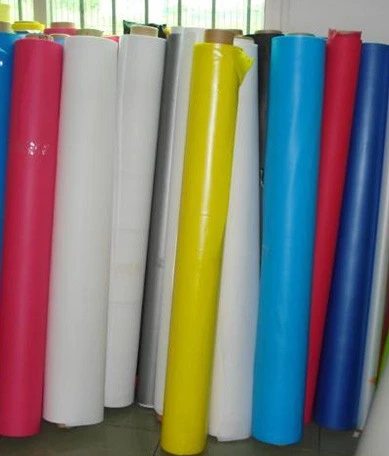
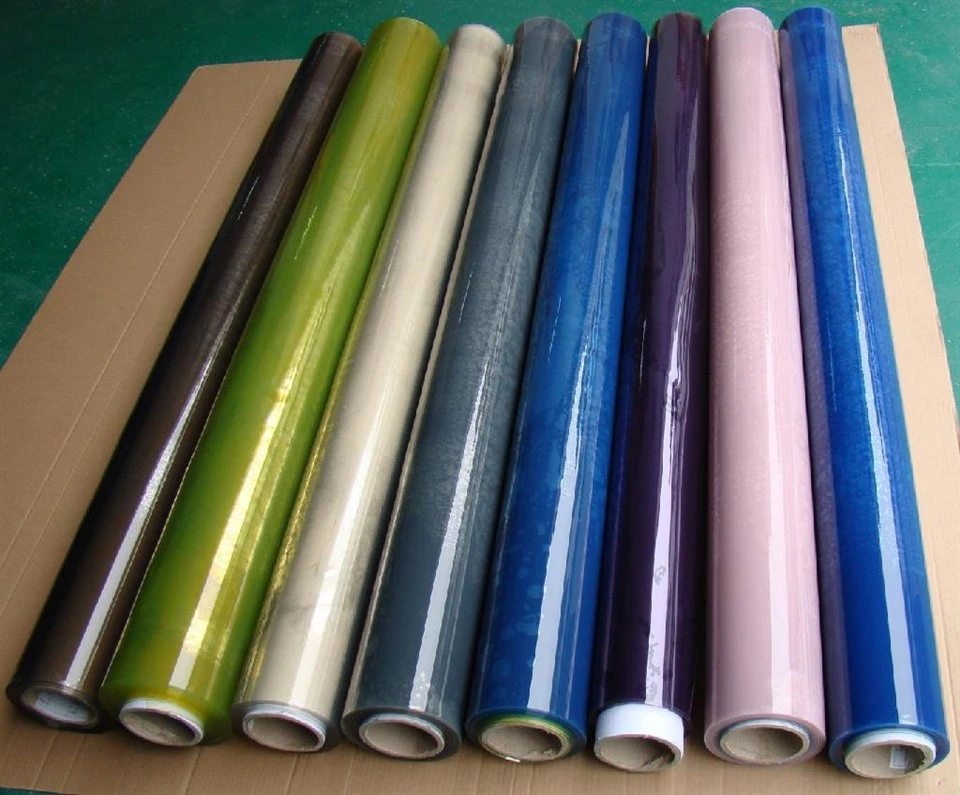
Polyester-based TPU films generally have better resistance to oils and solvents, while polyether-based TPU films are more resistant to hydrolysis. If your application involves exposure to specific chemicals, it's recommended to conduct compatibility tests to ensure the film will not be damaged or degraded.
4. Environmental Considerations
In today's environmentally conscious world, it's important to consider the environmental impact of the TPU film you choose. Look for films that are made from sustainable materials and have a low carbon footprint.
Some TPU films are recyclable, which can help reduce waste and contribute to a more sustainable future. Additionally, choose films that are free from harmful substances, such as phthalates and heavy metals, to ensure the safety of your products and the environment.
5. Cost
Cost is always a consideration when making a purchasing decision. However, it's important to balance cost with quality and performance. While it may be tempting to choose the cheapest option, a low-quality TPU film may not meet your functional requirements and may end up costing you more in the long run due to premature failure and replacement.
When comparing prices, make sure to consider the overall value of the film, including its quality, performance, and durability. A slightly higher-priced film that offers better performance and a longer lifespan may be a more cost-effective choice in the long term.
Evaluating the Supplier
In addition to considering the properties of the TPU film itself, it's also important to evaluate the supplier. A reliable supplier can provide you with high-quality products, technical support, and excellent customer service.
- Reputation: Look for a supplier with a good reputation in the industry. Check online reviews and testimonials from other customers to get an idea of their experience with the supplier.
- Quality Control: A reputable supplier should have a strict quality control system in place to ensure that their products meet the highest standards. Ask about their quality control processes and certifications, such as ISO 9001.
- Technical Support: Choose a supplier that offers technical support and can provide you with advice and guidance on choosing the right TPU film for your application. They should be able to answer your questions and help you solve any problems you may encounter.
- Customer Service: Good customer service is essential for a smooth purchasing experience. Look for a supplier that is responsive, friendly, and willing to go the extra mile to meet your needs.
Conclusion
Choosing the right high-quality functional TPU film requires careful consideration of various factors, including functional requirements, thickness and width, chemical resistance, environmental considerations, and cost. By understanding your specific needs and evaluating the properties of the film and the supplier, you can make an informed decision that will ensure the success of your application.
If you have any questions or need further assistance in choosing the right TPU film for your project, please feel free to contact us. We are a leading supplier of functional TPU film and are committed to providing our customers with the highest quality products and excellent service. Let's discuss your requirements and find the perfect solution for you.
References
- Smith, J. (2020). Thermoplastic Polyurethane (TPU) Handbook. Elsevier.
- Brown, A. (2019). Advances in TPU Technology. Journal of Polymer Science.