

Can TPU Hot Melt Adhesive Be Used for Bonding Ceramics?
In the world of adhesives, TPU (Thermoplastic Polyurethane) hot melt adhesive has gained significant popularity due to its excellent properties and wide range of applications. As a TPU hot melt adhesive supplier, I often receive inquiries about its suitability for various bonding tasks, including the bonding of ceramics. In this blog post, I will delve into the question of whether TPU hot melt adhesive can be used for bonding ceramics, exploring the properties of TPU hot melt adhesive, the characteristics of ceramics, and the factors that affect the bonding process.
Understanding TPU Hot Melt Adhesive
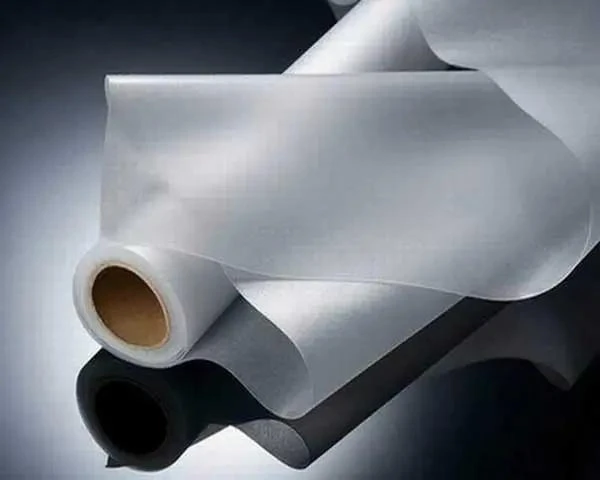
TPU hot melt adhesive is a type of thermoplastic adhesive that is solid at room temperature and becomes fluid when heated. It is composed of TPU polymers, which are known for their high elasticity, abrasion resistance, and chemical resistance. When heated, the adhesive melts and can be applied to a substrate, where it cools and solidifies, forming a strong bond.
One of the key advantages of TPU hot melt adhesive is its versatility. It can be used to bond a variety of materials, including plastics, metals, fabrics, and rubbers. It also offers excellent flexibility, which makes it suitable for applications where the bonded parts may be subject to movement or deformation. Additionally, TPU hot melt adhesive is environmentally friendly, as it does not contain solvents or volatile organic compounds (VOCs).
For more information about TPU hot melt adhesive, you can visit our website to check out our TPU Hot Melt Adhesive Film for Textile, TPU Hot Melt Adhesive Film, and TPU Hot Melt.
Characteristics of Ceramics
Ceramics are inorganic, non-metallic materials that are typically hard, brittle, and heat-resistant. They are made by heating raw materials, such as clay, at high temperatures to form a solid mass. Ceramics have a wide range of applications, including in the construction, automotive, and electronics industries.
One of the challenges of bonding ceramics is their low surface energy. This means that it can be difficult for adhesives to wet and adhere to the ceramic surface. Additionally, ceramics are often porous, which can allow moisture to penetrate the bond line and weaken the bond over time. Another factor to consider is the thermal expansion coefficient of ceramics, which is different from that of many other materials. This can cause stress to build up in the bond line when the temperature changes, leading to bond failure.
Factors Affecting the Bonding of Ceramics with TPU Hot Melt Adhesive
When considering using TPU hot melt adhesive to bond ceramics, several factors need to be taken into account. These include:

- Surface Preparation: Proper surface preparation is crucial for achieving a strong bond between TPU hot melt adhesive and ceramics. The ceramic surface should be clean, dry, and free of any contaminants, such as oil, grease, or dust. This can be achieved by cleaning the surface with a suitable solvent or abrasive material. In some cases, a primer may be applied to the ceramic surface to improve the adhesion of the adhesive.
- Adhesive Selection: Not all TPU hot melt adhesives are suitable for bonding ceramics. The adhesive should have the appropriate viscosity, melting point, and bonding strength for the specific application. It is also important to consider the compatibility of the adhesive with the ceramic material. Some ceramics may contain chemicals or additives that can react with the adhesive and affect its performance.
- Bonding Process: The bonding process is also critical for achieving a strong bond. The adhesive should be applied evenly to the ceramic surface using a suitable application method, such as a hot melt gun or a roller. The temperature and pressure during the bonding process should be carefully controlled to ensure that the adhesive melts and flows properly and that the bond is formed under the right conditions.
- Environmental Conditions: The environmental conditions during and after the bonding process can also affect the performance of the bond. High humidity, extreme temperatures, and exposure to chemicals or UV radiation can all weaken the bond over time. It is important to consider the intended use of the bonded parts and to select an adhesive that can withstand the expected environmental conditions.
Advantages of Using TPU Hot Melt Adhesive for Bonding Ceramics
Despite the challenges, there are several advantages to using TPU hot melt adhesive for bonding ceramics:
- Flexibility: TPU hot melt adhesive offers excellent flexibility, which can help to absorb stress and prevent bond failure due to movement or deformation of the bonded parts. This is particularly important for applications where the ceramics may be subject to vibration or shock.
- Fast Bonding: TPU hot melt adhesive has a fast bonding speed, which can increase productivity and reduce production time. The adhesive can be applied and bonded quickly, allowing for efficient assembly of the parts.
- Good Chemical Resistance: TPU hot melt adhesive has good chemical resistance, which can protect the bond from damage due to exposure to chemicals or solvents. This is important for applications where the ceramics may come into contact with harsh chemicals.
- Environmentally Friendly: As mentioned earlier, TPU hot melt adhesive is environmentally friendly, as it does not contain solvents or VOCs. This makes it a sustainable choice for bonding ceramics.
Case Studies and Applications
There are several real-world applications where TPU hot melt adhesive has been successfully used to bond ceramics. For example, in the electronics industry, TPU hot melt adhesive can be used to bond ceramic components, such as resistors and capacitors, to printed circuit boards. The flexibility of the adhesive can help to absorb the stress caused by thermal expansion and contraction, preventing damage to the components.
In the automotive industry, TPU hot melt adhesive can be used to bond ceramic brake pads to metal backing plates. The adhesive provides a strong bond that can withstand the high temperatures and pressures generated during braking.
In the construction industry, TPU hot melt adhesive can be used to bond ceramic tiles to walls and floors. The adhesive offers good adhesion and flexibility, which can help to prevent the tiles from cracking or coming loose due to movement or temperature changes.
Conclusion
In conclusion, TPU hot melt adhesive can be used for bonding ceramics, but it requires careful consideration of several factors, including surface preparation, adhesive selection, bonding process, and environmental conditions. When these factors are properly addressed, TPU hot melt adhesive can provide a strong, flexible, and environmentally friendly bond for ceramic applications.
As a TPU hot melt adhesive supplier, we have the expertise and experience to help you select the right adhesive for your ceramic bonding needs. If you are interested in learning more about our products or have any questions about bonding ceramics with TPU hot melt adhesive, please feel free to contact us. We look forward to discussing your requirements and providing you with the best solutions for your applications.
References
- "Handbook of Adhesives and Sealants" by A. Pizzi and K. L. Mittal
- "Adhesion Science and Engineering: Surfaces, Chemistry, and Applications" edited by K. L. Mittal
- "Thermoplastic Polyurethanes: A Comprehensive Review" by S. K. Bhowmick and H. L. Stephens