

Hey there! As a supplier of TPU film for pressure, I've been getting a lot of questions lately about how it stacks up against other materials in terms of pressure resistance. So, I thought I'd take a deep dive into this topic and share my insights with you all.
First off, let's talk about what TPU film is. TPU stands for thermoplastic polyurethane, which is a type of polymer that combines the properties of rubber and plastic. TPU film is made by extruding or casting TPU resin into a thin, flexible sheet. It's known for its high elasticity, abrasion resistance, and chemical resistance, making it a popular choice for a wide range of applications, including medical devices, automotive parts, and consumer products.
Now, when it comes to pressure resistance, TPU film has some pretty impressive characteristics. One of the key advantages of TPU film is its ability to withstand high levels of pressure without deforming or breaking. This is due to its unique molecular structure, which allows it to stretch and flex under pressure while still maintaining its shape and integrity.
Compared to other materials commonly used for pressure applications, such as PVC (polyvinyl chloride) and silicone, TPU film offers several benefits. For example, PVC is a rigid plastic that can crack or break under high pressure, while silicone is a soft, rubbery material that can deform or creep over time. TPU film, on the other hand, provides a good balance of flexibility and strength, making it ideal for applications where both pressure resistance and durability are required.
Another advantage of TPU film is its excellent chemical resistance. It can withstand exposure to a wide range of chemicals, including solvents, oils, and acids, without deteriorating or losing its properties. This makes it a great choice for applications in harsh environments where chemical exposure is a concern, such as in the medical and automotive industries.
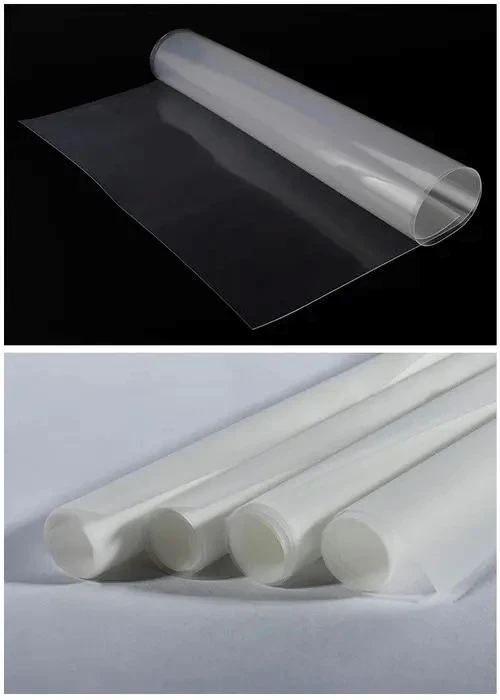
In addition to its pressure resistance and chemical resistance, TPU film also offers good optical clarity, which makes it suitable for applications where visibility is important. For example, Medical Grade TPU Film is often used in medical devices and equipment, such as wound dressings and surgical drapes, where clear visibility of the underlying tissue is necessary.
Now, let's take a closer look at how TPU film compares to other materials in specific pressure applications.

Medical Applications
In the medical field, pressure resistance is a critical factor in the performance of many products. For example, Medical Surgical Film is used to create sterile barriers during surgical procedures, and it needs to be able to withstand the pressure exerted by surgical instruments and the patient's body without tearing or leaking. TPU film is an excellent choice for this application because of its high strength, flexibility, and chemical resistance. It can also be sterilized using a variety of methods, including gamma radiation and ethylene oxide, without losing its properties.
Another medical application where TPU film shines is in the production of pressure garments for treating burns and scars. These garments need to apply a consistent level of pressure to the affected area to promote healing and reduce scarring. TPU film's ability to stretch and conform to the body's contours makes it an ideal material for this application, as it can provide a comfortable and effective fit.
Automotive Applications
In the automotive industry, TPU film is used in a variety of pressure-related applications, such as airbags, fuel lines, and hydraulic hoses. Airbags, for example, need to be able to inflate rapidly and withstand the high pressure generated during deployment. TPU film's high strength and flexibility make it a suitable material for airbag construction, as it can expand and contract without tearing or rupturing.
Fuel lines and hydraulic hoses also need to be able to withstand high pressure and resist the effects of chemicals and abrasion. TPU film's chemical resistance and durability make it a good choice for these applications, as it can prevent leaks and ensure the safe and efficient operation of the vehicle.
Consumer Products
TPU film is also commonly used in consumer products, such as TPU Film for Sofa, phone cases, and sports equipment. In these applications, pressure resistance is important for ensuring the longevity and performance of the product. For example, a phone case made from TPU film can protect the phone from impact and pressure, while a TPU film-coated sofa can resist wear and tear from daily use.
So, as you can see, TPU film offers several advantages over other materials when it comes to pressure resistance. Its high strength, flexibility, chemical resistance, and optical clarity make it a versatile and reliable choice for a wide range of pressure applications.
If you're interested in learning more about TPU film for pressure or are looking for a reliable supplier, I'd be happy to help. Just reach out to me, and we can discuss your specific needs and requirements. Whether you're in the medical, automotive, or consumer products industry, I'm confident that TPU film can provide the pressure resistance and performance you're looking for.
Let's start a conversation and see how we can work together to meet your pressure application needs!
References
- "Thermoplastic Polyurethane (TPU): Properties, Processing, and Applications." Polymer Science and Technology, edited by C. A. Harper, McGraw-Hill, 2002.
- "Medical-Grade Polymers: Materials Science and Biomedical Applications." Edited by S. W. Shalaby, CRC Press, 2004.
- "Automotive Materials and Manufacturing Processes." Edited by G. E. Totten, CRC Press, 2008.