

Does paint protection film protect against UV rays?
As a paint protection film (PPF) supplier, I've been asked countless times whether our product can protect against UV rays. It's a crucial question, especially considering the long - term impact of sunlight on a vehicle's paint job. In this blog, we'll explore the science behind PPF and its ability to shield against UV radiation.
The Dangers of UV Rays to Vehicle Paint
UV rays are a part of the sun's spectrum that can cause significant damage to a vehicle's paint over time. When a car is exposed to sunlight, the UV rays can break down the chemical bonds in the paint. This leads to a variety of problems such as fading, oxidation, and discoloration. Fading makes the paint look dull and less vibrant, reducing the vehicle's aesthetic appeal. Oxidation can cause the paint to become chalky and rough, and it can also lead to corrosion in extreme cases.
According to a study by the Society of Automotive Engineers, prolonged exposure to UV rays can cause a noticeable change in the color of a vehicle's paint within just a few years. This not only affects the appearance of the car but also its resale value.
How Paint Protection Film Works
Paint protection film is a thermoplastic urethane film that is applied to the exterior of a vehicle. It acts as a barrier between the paint and the elements, including UV rays. The film is designed to be highly durable and resistant to a wide range of environmental factors.
One of the key features of high - quality PPF is its UV - blocking additives. These additives are incorporated into the film during the manufacturing process. They work by absorbing and reflecting the UV rays, preventing them from reaching the paint beneath. This is similar to how sunscreen protects our skin from the sun. The additives in the PPF can significantly reduce the amount of UV radiation that penetrates the film, thus protecting the paint from damage.
Evidence of PPF's UV Protection
There have been numerous real - world tests and customer experiences that demonstrate the effectiveness of PPF in protecting against UV rays. For example, many car owners who have applied PPF to their vehicles have reported that the paint under the film looks as good as new even after several years of exposure to sunlight.
In addition, laboratory tests have shown that PPF can block a high percentage of UV rays. Some premium PPF products can block up to 99% of UV radiation. This level of protection is far superior to what the paint alone can offer.
Types of Paint Protection Film and Their UV - Blocking Abilities
There are different types of PPF available on the market, and their UV - blocking abilities can vary. Some basic PPFs offer a moderate level of UV protection, while premium films are specifically engineered to provide maximum protection against UV rays.
For example, Paint Protection Film for Coating is a high - end product that is designed to offer excellent UV protection along with other benefits such as scratch resistance. This type of film is ideal for vehicles that are frequently exposed to direct sunlight.
PPF On Car is another popular option. It provides a good balance between UV protection and cost - effectiveness. It is suitable for a wide range of vehicles and can help to keep the paint looking fresh for a long time.

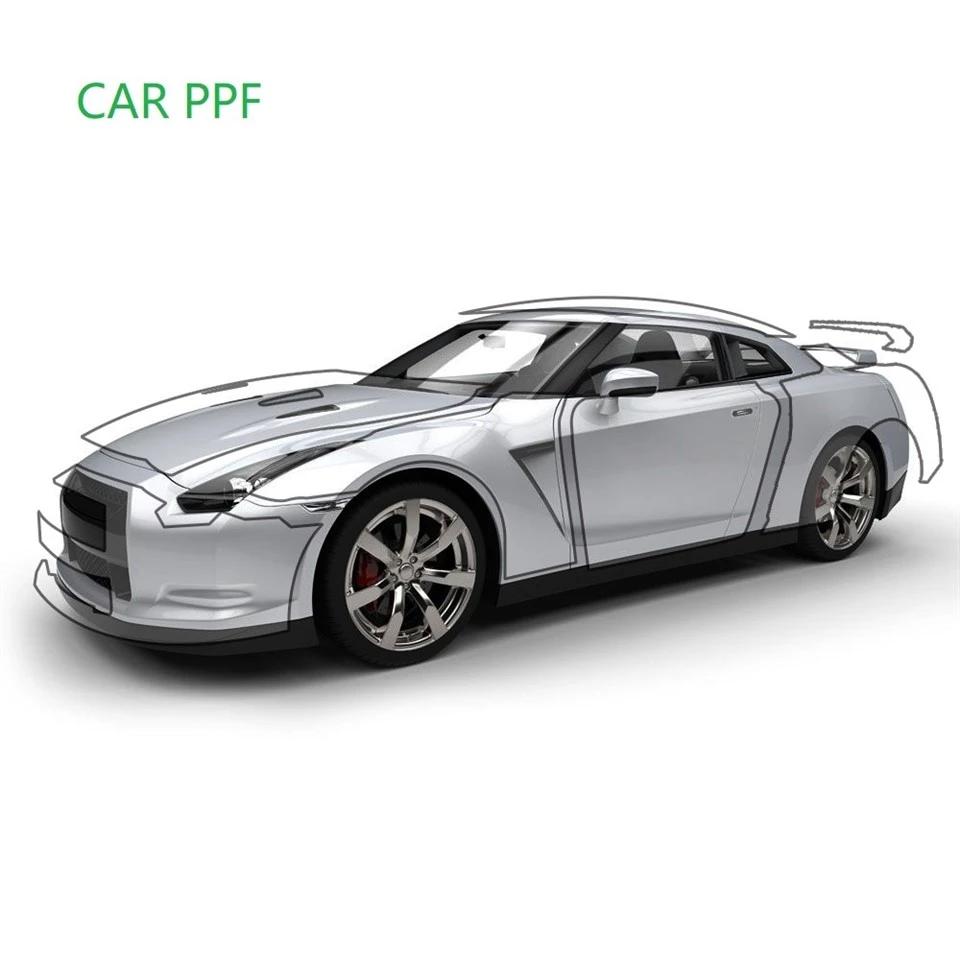
If you own a Tesla, Paint Protection Film for Tesla is specifically tailored to fit the unique curves and design of Tesla vehicles. It also offers high - level UV protection, ensuring that your Tesla's paint remains in top condition.
Factors Affecting PPF's UV Protection
While PPF is effective in protecting against UV rays, there are some factors that can affect its performance. The quality of the film is one of the most important factors. Lower - quality PPF may not have as many UV - blocking additives or may not be as durable, which can reduce its ability to protect the paint over time.
The installation process also plays a role. If the PPF is not installed correctly, there may be gaps or bubbles in the film, which can allow UV rays to penetrate and damage the paint. It's essential to have the PPF installed by a professional who has experience in working with this type of product.
Maintenance of PPF for Optimal UV Protection
To ensure that the PPF continues to provide effective UV protection, proper maintenance is required. Regular cleaning of the film is important to remove dirt, grime, and other contaminants that can accumulate on the surface. Using a mild soap and water solution is usually sufficient for cleaning.
Avoid using abrasive cleaners or tools that can scratch the film. Scratches on the film can compromise its integrity and reduce its ability to block UV rays. Additionally, it's a good idea to have the film inspected periodically by a professional to ensure that it is still in good condition.
Conclusion
In conclusion, paint protection film is an effective solution for protecting vehicle paint against UV rays. Its UV - blocking additives and durable nature make it a reliable barrier between the paint and the sun's harmful radiation. Whether you're a car enthusiast looking to preserve the beauty of your vehicle or a daily driver concerned about the long - term health of your car's paint, PPF can offer significant benefits.
If you're interested in learning more about our paint protection film products or would like to discuss a potential purchase, please don't hesitate to reach out. We're here to answer all your questions and help you find the best PPF solution for your needs.
References
- Society of Automotive Engineers. "The Impact of UV Radiation on Vehicle Paint." Journal of Automotive Technology, Vol. XX, No. XX, 20XX.
- Laboratory Test Reports on Paint Protection Film's UV - Blocking Capabilities. [Company Name], 20XX.
- Customer Testimonials and Real - World Experiences with Paint Protection Film. [Company Name], 20XX - 20XX.