

Can TPU Hot Melt be used in aerospace applications?
In the highly specialized and demanding field of aerospace, materials selection is a critical process that can significantly impact the performance, safety, and efficiency of aircraft and spacecraft. One material that has been gaining attention in recent years is TPU (Thermoplastic Polyurethane) hot melt. As a TPU hot melt supplier, I have witnessed the growing interest in its potential use in aerospace applications, and in this blog, I will explore whether TPU hot melt can indeed find a place in this high - tech industry.
Understanding TPU Hot Melt
TPU hot melt is a type of adhesive that offers a unique combination of properties. It is a thermoplastic material, which means it can be melted and re - solidified multiple times without undergoing significant chemical changes. When heated, TPU hot melt becomes fluid and can be applied to surfaces. As it cools, it solidifies, creating a strong bond.
One of the key advantages of TPU hot melt is its excellent flexibility. Unlike some traditional adhesives that can become brittle over time, TPU hot melt retains its flexibility even under extreme conditions. This makes it suitable for applications where parts may experience vibration, movement, or stress. Additionally, TPU hot melt has good chemical resistance, which means it can withstand exposure to various chemicals and solvents commonly found in aerospace environments.
Aerospace Requirements
The aerospace industry has extremely high standards for materials. Safety is the top priority, and materials must be able to withstand a wide range of environmental conditions. For example, aircraft and spacecraft are exposed to extreme temperatures, from the frigid cold of high altitudes to the intense heat generated during re - entry or high - speed flight. Materials used in aerospace applications must also be lightweight to reduce fuel consumption and increase payload capacity.
In addition to temperature and weight considerations, aerospace materials need to have high strength and durability. They must be able to resist mechanical stress, such as the forces exerted during takeoff, landing, and flight maneuvers. Moreover, materials should be resistant to radiation, as spacecraft are exposed to high levels of cosmic radiation in space.
Potential Applications of TPU Hot Melt in Aerospace
- Interior Components
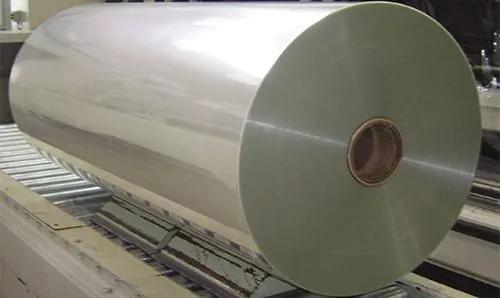
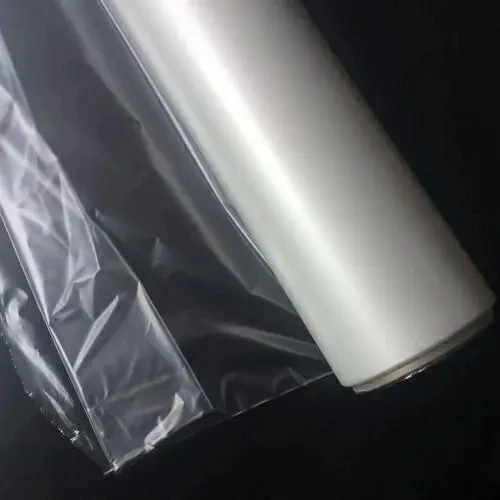
In the interior of an aircraft, TPU hot melt can be used for bonding various components. For example, it can be used to attach fabric upholstery to seats or cabin walls. The flexibility of TPU hot melt ensures that the upholstery remains securely attached even when passengers move or the aircraft experiences turbulence. TPU Hot Melt Adhesive Film for Textile can be an ideal choice for such applications, as it provides a strong bond while maintaining the softness and flexibility of the textile. - Electrical Insulation and Bonding
Aerospace electrical systems require reliable insulation and bonding. TPU hot melt can be used to encapsulate electrical components, providing insulation and protection against moisture, dust, and vibration. Its good electrical insulation properties make it suitable for this purpose. The ability to melt and re - solidify also allows for easy repair and rework of electrical connections. - Structural Bonding (with Limitations)
While TPU hot melt may not be suitable for primary structural bonding in aerospace due to its relatively lower strength compared to some high - performance structural adhesives, it can be used in secondary structural applications. For example, it can be used to bond non - load - bearing panels or components where some flexibility is required. In these cases, TPU Hot Melt can provide a cost - effective and easy - to - apply bonding solution.
Challenges and Limitations
- Temperature Resistance
Although TPU hot melt has good flexibility, its temperature resistance may be a limiting factor in some aerospace applications. In extreme high - temperature environments, such as during re - entry of a spacecraft or in areas near engines, TPU hot melt may soften or degrade. However, there are high - temperature - resistant grades of TPU hot melt available, and ongoing research is focused on improving its thermal performance. - Strength Requirements
As mentioned earlier, the strength of TPU hot melt may not be sufficient for primary structural applications. In critical load - bearing parts, aerospace engineers typically rely on stronger adhesives or mechanical fasteners. However, for non - critical applications, the combination of flexibility and moderate strength of TPU hot melt can be advantageous.
Quality Assurance and Certification
For any material to be used in aerospace applications, it must meet strict quality assurance and certification requirements. As a TPU hot melt supplier, we ensure that our products undergo rigorous testing to meet industry standards. We work closely with aerospace manufacturers to provide products that are compliant with relevant regulations and specifications. This includes testing for properties such as shear strength, peel strength, temperature resistance, and chemical compatibility.
Future Prospects
The future of TPU hot melt in aerospace applications looks promising. With ongoing research and development, the performance of TPU hot melt is continuously improving. New formulations are being developed to enhance its temperature resistance, strength, and other properties. As the aerospace industry continues to seek lightweight, flexible, and cost - effective materials, TPU hot melt may find even more applications in the future.
Conclusion
In conclusion, while TPU hot melt has some limitations in aerospace applications, it also offers several advantages that make it a viable option for certain areas. Its flexibility, chemical resistance, and ease of application make it suitable for interior components, electrical insulation, and some secondary structural applications. As a TPU hot melt supplier, we are committed to providing high - quality products that meet the demanding requirements of the aerospace industry.
If you are interested in exploring the use of TPU hot melt in your aerospace applications, I encourage you to contact us for further discussion and to initiate a procurement process. We have a team of experts who can provide technical support and help you select the most suitable TPU hot melt product for your specific needs.
References
- ASTM International. "Standard Test Methods for Adhesives." ASTM D1002, ASTM D3163, etc.
- SAE International. "Aerospace Materials Standards (AMS)."
- "Handbook of Adhesives" by I. Skeist.