

Hydrophilic TPU (Thermoplastic Polyurethane) film has emerged as a versatile material with a wide range of applications, particularly in the medical field. As a leading supplier of hydrophilic TPU film, we understand the importance of providing our customers with various thickness options to meet their specific needs. In this blog post, we will explore the different thickness options available for hydrophilic TPU film and discuss their applications and benefits.
Understanding Hydrophilic TPU Film
Before delving into the thickness options, let's briefly understand what hydrophilic TPU film is. TPU is a type of polymer that combines the properties of rubber and plastic. Hydrophilic TPU film is modified to have a high affinity for water, which allows it to absorb and retain moisture. This characteristic makes it ideal for applications where moisture management is crucial, such as medical devices, wound care products, and personal protective equipment.
Thickness Options
The thickness of hydrophilic TPU film can vary depending on the manufacturer and the intended application. Generally, hydrophilic TPU film is available in thicknesses ranging from 0.02 mm to 1 mm. Here is a breakdown of the common thickness options and their applications:
- 0.02 mm - 0.05 mm: This ultra-thin hydrophilic TPU film is often used in applications where flexibility and breathability are essential. It is commonly used in medical dressings, where it can conform to the skin and allow for the exchange of moisture and oxygen. The thinness of the film also makes it suitable for use in wearable medical devices, such as patches and sensors, where comfort and flexibility are crucial.
- 0.05 mm - 0.1 mm: This thickness range is a popular choice for a variety of medical applications. It offers a good balance between flexibility and durability, making it suitable for use in wound care products, surgical drapes, and medical gowns. The film can provide a barrier against moisture and bacteria while still allowing the skin to breathe.
- 0.1 mm - 0.2 mm: Hydrophilic TPU film in this thickness range is more robust and is often used in applications where a higher level of protection is required. It is commonly used in medical devices, such as catheters and tubing, where it can provide a smooth and lubricious surface. The film can also be used in protective clothing, such as gloves and aprons, to provide a barrier against fluids and chemicals.
- 0.2 mm - 0.5 mm: This medium-thick hydrophilic TPU film is suitable for applications where a combination of strength and flexibility is needed. It is commonly used in orthopedic braces and supports, where it can provide support and stability while still allowing for movement. The film can also be used in medical packaging, where it can protect the contents from moisture and oxygen.
- 0.5 mm - 1 mm: This thick hydrophilic TPU film is the most durable and is often used in applications where a high level of protection is required. It is commonly used in industrial applications, such as conveyor belts and gaskets, where it can withstand high levels of stress and wear. The film can also be used in medical applications, such as prosthetics and orthotics, where it can provide a rigid and supportive structure.
Factors Affecting Thickness Selection
When selecting the thickness of hydrophilic TPU film for your application, several factors need to be considered. These include:
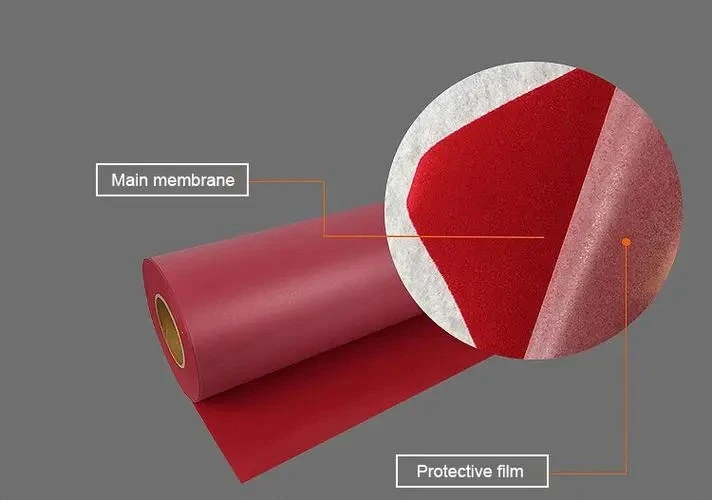
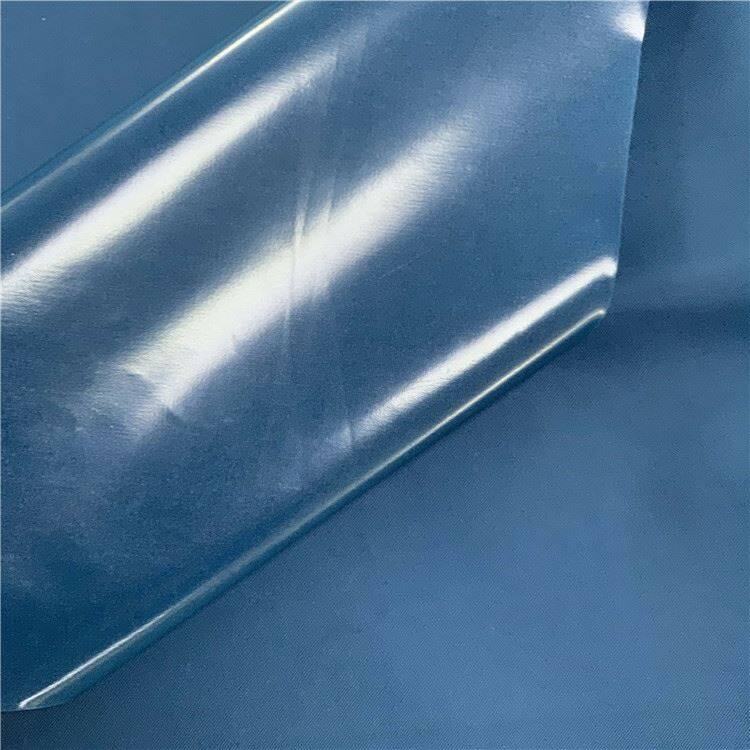
- Application Requirements: The specific requirements of your application will determine the thickness of the film needed. For example, if you are using the film in a medical dressing, you may need a thinner film that is flexible and breathable. If you are using the film in a medical device, you may need a thicker film that is more durable and provides a higher level of protection.
- Mechanical Properties: The mechanical properties of the film, such as tensile strength, tear resistance, and elongation, will also affect the thickness selection. Thicker films generally have higher mechanical properties, but they may also be less flexible. You need to balance the mechanical properties of the film with the flexibility requirements of your application.
- Cost: The cost of the film is also an important factor to consider. Thicker films generally cost more than thinner films, so you need to balance the cost with the performance requirements of your application.
Benefits of Hydrophilic TPU Film
Hydrophilic TPU film offers several benefits over other types of films, including:
- Moisture Management: The hydrophilic nature of the film allows it to absorb and retain moisture, which can help to prevent the buildup of sweat and moisture in the application. This can improve comfort and reduce the risk of skin irritation and infection.
- Flexibility and Comfort: The film is highly flexible and can conform to the shape of the body, which makes it comfortable to wear. This is particularly important in applications such as medical dressings and wearable devices, where comfort is crucial.
- Barrier Properties: The film can provide a barrier against moisture, bacteria, and other contaminants, which can help to protect the application and the user. This is particularly important in medical applications, where infection control is crucial.
- Biocompatibility: The film is biocompatible, which means that it is non-toxic and does not cause an allergic reaction in the body. This makes it suitable for use in medical applications, where it comes into contact with the skin and body fluids.
Applications of Hydrophilic TPU Film
Hydrophilic TPU film has a wide range of applications in various industries, including:
- Medical: The film is commonly used in medical devices, such as wound dressings, surgical drapes, medical gowns, catheters, and tubing. It can also be used in wearable medical devices, such as patches and sensors. For more information on Thermoplastic (TPU) Film Based Medical Devices and TPU Film Used In Medical, visit our website.
- Personal Protective Equipment (PPE): The film is used in PPE, such as gloves, aprons, and masks, to provide a barrier against fluids and chemicals.
- Textiles: The film can be laminated to textiles to provide moisture management and waterproofing properties. It is commonly used in sportswear, outdoor clothing, and footwear.
- Industrial: The film is used in industrial applications, such as conveyor belts, gaskets, and seals, where it can provide a smooth and lubricious surface and withstand high levels of stress and wear.
Conclusion
As a leading supplier of hydrophilic TPU film, we offer a wide range of thickness options to meet the specific needs of our customers. Whether you need a thin and flexible film for medical dressings or a thick and durable film for industrial applications, we can provide you with the right solution. Our hydrophilic TPU film offers several benefits, including moisture management, flexibility, comfort, barrier properties, and biocompatibility, making it suitable for a wide range of applications in various industries.
If you are interested in learning more about our hydrophilic TPU film or would like to discuss your specific requirements, please feel free to contact us. We look forward to working with you to provide the best solution for your needs.
References
- Source 1: Industry report on TPU materials and their applications
- Source 2: Scientific research on the properties of hydrophilic polymers
- Source 3: Studies on the use of TPU film in medical devices