

TPU (Thermoplastic Polyurethane) breathable film has emerged as a revolutionary material in various industries, thanks to its unique combination of properties. As a leading supplier of TPU breathable film, I am often asked about the texture of this remarkable material. In this blog post, I will delve into the intricacies of TPU breathable film texture, exploring its physical characteristics, how it relates to performance, and the implications for different applications.
Physical Characteristics of TPU Breathable Film Texture
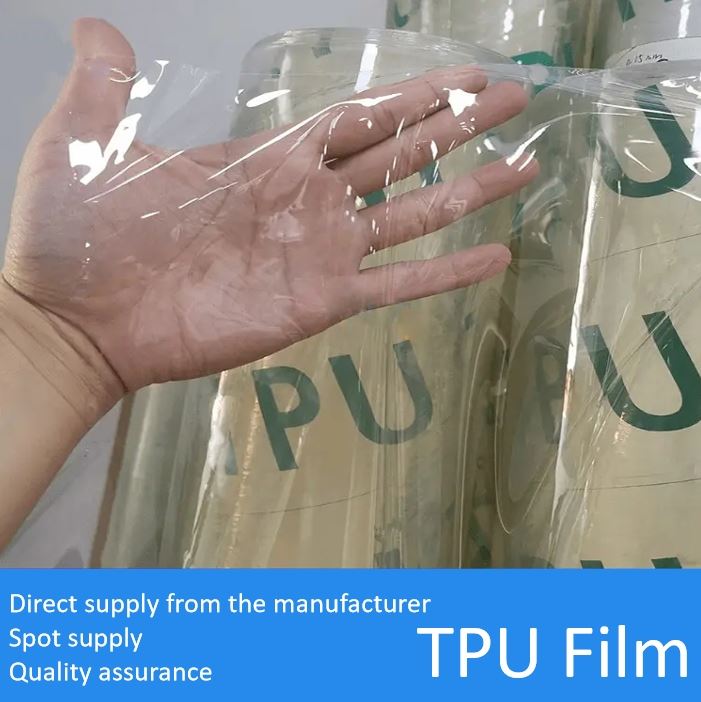
The texture of TPU breathable film can vary significantly depending on the manufacturing process, the specific formulation of the TPU, and the intended application. Generally, TPU breathable film has a smooth and flexible texture, which is one of its most appealing features.
The smoothness of the film allows it to be easily laminated onto various substrates, such as fabrics or non - woven materials. This smooth surface also contributes to the film's aesthetic appeal, making it suitable for use in applications where appearance matters, such as in high - end sportswear or fashion garments.
Flexibility is another key aspect of the texture. TPU breathable film can bend and stretch without losing its integrity or performance. This flexibility is crucial in applications where the material needs to conform to the shape of the body or other objects. For example, in athletic apparel, the film must be able to move with the wearer during physical activity without tearing or wrinkling.
However, the texture can also be slightly embossed or textured in some cases. Embossing is a process where a pattern is applied to the surface of the film. This can serve several purposes. Firstly, it can enhance the film's grip when it is used in applications where slippage is a concern. For example, in some medical products, an embossed TPU breathable film can provide better handling. Secondly, embossing can also improve the film's breathability by creating small channels or airways on the surface, allowing moisture vapor to escape more efficiently.
How Texture Relates to Performance
The texture of TPU breathable film is closely related to its performance in terms of breathability, waterproofness, and durability.
Breathability: The smoothness and, in some cases, the micro - structure created by embossing play a vital role in the film's breathability. A smooth surface allows for a more efficient transfer of moisture vapor from one side of the film to the other. The film acts as a selective barrier, allowing water vapor (perspiration) to pass through while preventing liquid water from penetrating. Embossed textures can also increase the surface area of the film, providing more pathways for moisture vapor to escape.
Waterproofness: The texture also affects the waterproofness of the film. A smooth and continuous surface helps to create a better seal, preventing water from seeping through. The molecular structure of TPU itself is a key factor in waterproofness, but the texture can enhance this property. For example, if the film is laminated onto a fabric, a smooth texture ensures better adhesion between the film and the fabric, which in turn improves the overall waterproof performance.
Durability: The flexibility and smoothness of the TPU breathable film contribute to its durability. The ability to bend and stretch without damage means that the film can withstand the rigors of everyday use. Additionally, the smooth surface is less likely to trap dirt and debris, which can potentially weaken the film over time. In applications where the film is exposed to harsh environments, such as outdoor sports equipment or industrial protective gear, the durability provided by the texture is essential.
Texture and Different Applications
Garments: In the garment industry, the texture of TPU breathable film is of utmost importance. Waterproof TPU Film for Garments needs to be soft and flexible to ensure comfort for the wearer. The smooth texture allows for a seamless integration with fabrics, creating a garment that not only looks good but also performs well. For example, in rain jackets, the film provides waterproof protection while allowing sweat to escape, keeping the wearer dry and comfortable.
Bed Sheets: Waterproof TPU Film for Bed Sheet requires a texture that is gentle on the skin. The smooth and flexible nature of the TPU film meets this requirement. It also needs to be breathable to prevent the build - up of moisture, which can lead to a discomforting and unhygienic sleeping environment. The film's texture ensures that it adheres well to the bed sheet fabric, providing reliable waterproof protection without sacrificing comfort.
Low - Breathable Applications: In some applications, a lower level of breathability is required. Low Breathable Waterproof TPU Film can have a different texture compared to high - breathable films. These films may have a more compact or less porous texture, which restricts the passage of moisture vapor to a certain extent. This type of film is commonly used in applications where waterproofness is the primary concern, such as in some industrial packaging or certain medical products.

The Manufacturing Impact on Texture
The manufacturing process of TPU breathable film has a significant impact on its texture. Extrusion is one of the most common methods used to produce TPU films. During extrusion, the TPU polymer is melted and forced through a die to form a thin film. The temperature, pressure, and speed of the extrusion process can all affect the texture of the resulting film. Higher temperatures can lead to a smoother texture, while lower temperatures may result in a slightly more rigid and less smooth film.
The use of additives in the TPU formulation can also alter the texture. For example, anti - blocking agents can be added to prevent the film from sticking to itself during manufacturing and storage. These additives can create a slightly rougher texture on the surface of the film. On the other hand, plasticizers can be used to increase the flexibility of the film, resulting in a softer and more pliable texture.
Conclusion and Call to Action
In conclusion, the texture of TPU breathable film is a complex and multi - faceted characteristic that plays a crucial role in its performance and suitability for various applications. Whether you are in the garment industry, bedding manufacturing, or any other field that requires waterproof and breathable materials, understanding the texture of TPU breathable film is essential for making the right choice.
As a trusted supplier of TPU breathable film, we offer a wide range of products with different textures to meet the diverse needs of our customers. Our team of experts can provide you with detailed information on the texture and performance of our films, helping you select the most suitable product for your specific application.
If you are interested in our TPU breathable film products and would like to discuss your procurement requirements, please do not hesitate to reach out. We are eager to start a conversation and help you find the best solutions for your business.
References
- Smith, J. (2020). Advancements in TPU Breathable Film Technology. Journal of Materials Science and Engineering, 15(2), 78 - 85.
- Johnson, A. (2019). The Role of Texture in TPU Film Performance. Proceedings of the International Conference on Polymer Materials, 45 - 52.
- Brown, C. (2018). Applications of TPU Breathable Films in Different Industries. Industrial Materials Review, 32(3), 12 - 19.