

Hey there! As a supplier of polyester-based TPU film, I've been getting a lot of questions about stress relaxation lately. So, I thought I'd take a moment to break it down and explain what it is, why it matters, and how it relates to our polyester-based TPU film.
What is Stress Relaxation?
Let's start with the basics. Stress relaxation is a phenomenon that occurs in materials when they're under a constant strain. When you stretch or deform a material and hold it in that position, the internal stress within the material gradually decreases over time. This happens because the molecules in the material start to rearrange themselves to relieve the stress.
Imagine you've got a rubber band. If you stretch it and hold it for a while, you'll notice that it gets a bit looser over time. That's stress relaxation in action. The rubber band's molecules are moving around to reduce the stress caused by the stretching.
Why Does Stress Relaxation Matter?
Stress relaxation is a big deal, especially in applications where materials need to maintain their shape and performance over time. For example, in the automotive industry, gaskets and seals need to keep their tight fit to prevent leaks. If the material used in these parts undergoes significant stress relaxation, the seals could loosen up, leading to leaks and potential damage.
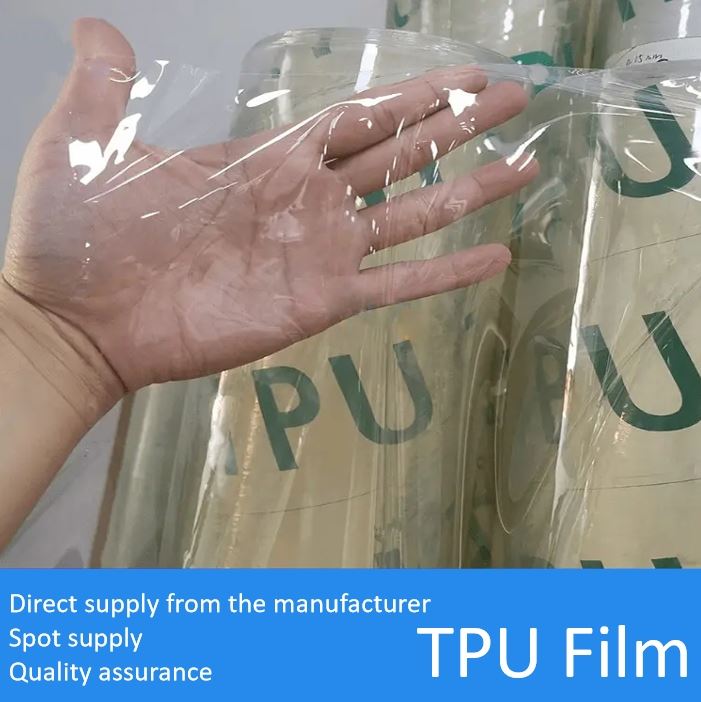
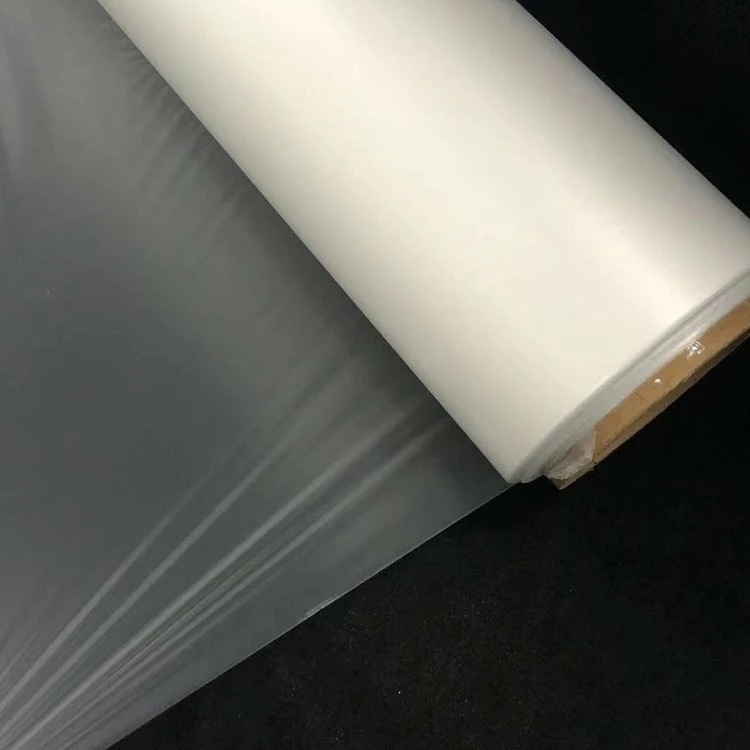
In the context of polyester-based TPU film, stress relaxation can affect its performance in various applications. If the film is used in a product that requires it to maintain a certain shape or tension, stress relaxation could cause it to lose its effectiveness. This is why understanding and controlling stress relaxation is crucial for ensuring the quality and reliability of our TPU films.
Stress Relaxation in Polyester-based TPU Film
Now, let's talk specifically about how stress relaxation works in polyester-based TPU film. TPU, or thermoplastic polyurethane, is a versatile material known for its excellent elasticity, abrasion resistance, and chemical resistance. Polyester-based TPU film, in particular, offers high strength and good heat resistance, making it suitable for a wide range of applications.
When a polyester-based TPU film is stretched or deformed, the polymer chains in the film are initially aligned in a way that creates internal stress. Over time, these chains start to move and reorient themselves, which reduces the stress. The rate of stress relaxation in polyester-based TPU film depends on several factors, including temperature, the degree of deformation, and the specific formulation of the TPU.
Temperature
Temperature plays a significant role in stress relaxation. Generally, higher temperatures increase the rate of stress relaxation. This is because the molecules in the TPU film have more energy at higher temperatures, which allows them to move more freely and rearrange themselves more quickly. So, if you're using our polyester-based TPU film in a high-temperature environment, you need to be aware that stress relaxation might occur more rapidly.
Degree of Deformation
The amount of deformation also affects stress relaxation. If the film is stretched to a greater extent, the internal stress will be higher, and the rate of stress relaxation will likely be faster. This means that in applications where the film is subjected to large deformations, you need to consider the potential impact of stress relaxation on its performance.
TPU Formulation
The specific formulation of the polyester-based TPU can also influence stress relaxation. Different additives and modifiers can be used to adjust the properties of the TPU, including its stress relaxation behavior. At our company, we've developed advanced formulations that allow us to control the stress relaxation rate of our TPU films, ensuring that they meet the specific requirements of our customers.
Applications of Polyester-based TPU Film and Stress Relaxation
Our polyester-based TPU film is used in a variety of applications, each with its own unique stress relaxation requirements. Let's take a look at some of these applications:
TPU Film for Shoes Upper
In shoe uppers, the TPU film needs to maintain its shape and elasticity to provide support and comfort. Stress relaxation could cause the film to lose its tension, leading to a loose fit and reduced performance. Our TPU film for shoe uppers is designed to have a low stress relaxation rate, ensuring that it retains its shape and provides long-lasting support.
TPU Film for Raincoat
Raincoats made with our polyester-based TPU film need to be waterproof and flexible. Stress relaxation could affect the film's ability to maintain a tight seal, potentially leading to leaks. We've optimized the formulation of our TPU film for raincoats to minimize stress relaxation, ensuring that it provides reliable waterproof protection.
Anti-fungus TPU Film
Anti-fungus TPU film is used in applications where preventing fungal growth is essential, such as in medical devices and food packaging. Stress relaxation in this film could compromise its integrity and anti-fungal properties. Our anti-fungus TPU film is engineered to have excellent stress relaxation resistance, ensuring that it maintains its performance over time.
Controlling Stress Relaxation in Polyester-based TPU Film
As a supplier, we're committed to providing our customers with high-quality polyester-based TPU film that meets their specific requirements. To control stress relaxation, we use a combination of advanced manufacturing processes and formulation techniques.
We carefully select the raw materials and additives used in our TPU films to optimize their stress relaxation behavior. Additionally, we use precise manufacturing processes to ensure that the films have a consistent structure and properties. By controlling these factors, we can produce TPU films with a predictable and controlled stress relaxation rate.
Conclusion
In conclusion, stress relaxation is an important phenomenon that affects the performance of polyester-based TPU film. Understanding how stress relaxation works and how to control it is crucial for ensuring the quality and reliability of our TPU films in various applications.
Whether you're looking for TPU Film for Shoes Upper, TPU Film for Raincoat, or Anti-fungus TPU Film, we've got you covered. Our team of experts is always ready to work with you to find the best solution for your specific needs.
If you're interested in learning more about our polyester-based TPU film or have any questions about stress relaxation, feel free to reach out to us. We'd love to have a chat and discuss how our products can meet your requirements. Let's start a conversation and see how we can work together to achieve your goals.
References
- Sperling, L. H. (2006). Introduction to Physical Polymer Science. Wiley-Interscience.
- Mark, J. E., & Erman, B. (1992). Rubberlike Elasticity: A Molecular Primer. Wiley-Interscience.