

As a trusted paint protection film (PPF) supplier, I understand that many vehicle owners are interested in the installation process of PPF. In this blog, I'll walk you through the entire installation process, highlighting key steps and considerations to ensure a successful application.
Preparation
Vehicle Inspection
Before starting the installation, a thorough inspection of the vehicle is essential. This involves checking for any existing paint damage, scratches, or imperfections. It's important to document these issues with the vehicle owner to avoid any misunderstandings later. This step also allows the installer to determine if any pre - treatment is required, such as paint correction.
Surface Cleaning
The surface where the PPF will be applied must be meticulously cleaned. First, the vehicle is washed using a high - quality car shampoo to remove dirt, grime, and loose debris. Then, a clay bar treatment is often performed. A clay bar is a soft, putty - like substance that can pick up embedded contaminants on the paint surface, such as industrial fallout, tar, and tree sap. After the clay bar treatment, the surface is cleaned again with a mild isopropyl alcohol solution to remove any remaining residues and to ensure proper adhesion of the PPF.
Measuring and Cutting
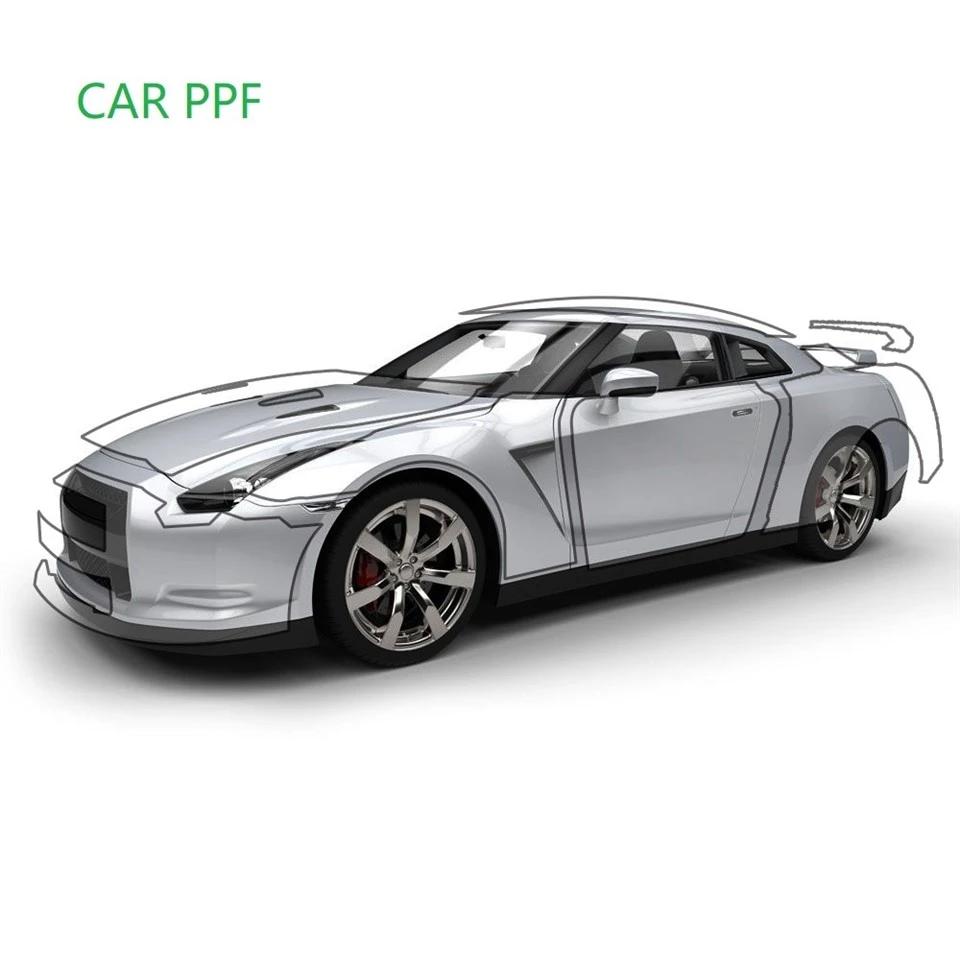
Once the surface is clean, the PPF needs to be measured and cut to fit the specific vehicle parts. Modern PPF installation often uses computer - aided design (CAD) templates. These templates are created based on the exact dimensions of different vehicle models. This ensures a precise fit and reduces the amount of on - site cutting. However, in some cases, especially for custom - shaped areas or older vehicle models, manual cutting may be necessary. When using a Scratch Resistant TPU Film, it's important to use sharp cutting tools to ensure clean edges.
Installation
Application Solution Preparation
An application solution is prepared to help in the installation process. This solution typically consists of water and a small amount of mild soap or a dedicated PPF application fluid. The application solution serves multiple purposes. It allows the installer to slide the PPF into place easily, reduces the friction between the film and the paint surface, and helps to eliminate air bubbles during installation.
Film Application
The PPF is carefully removed from its backing paper and sprayed with the application solution. The installer then positions the film on the prepared vehicle surface. Using a squeegee, the installer starts to remove the excess application solution and smooth out the film. It's crucial to work from the center of the film towards the edges to ensure that air bubbles are pushed out. For larger panels, it may be necessary to work in sections.
Heat Shaping
In some areas, such as curves, edges, and contours, the PPF may need to be heat - shaped to conform to the vehicle's surface. A heat gun is used to gently warm the film, making it more flexible. The installer can then mold the film around the curves and edges using their hands or a squeegee. This step requires skill and experience to avoid over - heating the film, which can cause it to bubble or warp.
Trimming
After the PPF is applied and shaped, any excess film is trimmed. This is done using a sharp utility knife. The edges are carefully trimmed to ensure a clean and seamless appearance. Special attention is paid to areas around door handles, lights, and other vehicle features to ensure that the PPF fits neatly without interfering with the functionality of these parts.
Post - Installation
Final Inspection
Once the installation is complete, a final inspection is carried out. The installer checks for any air bubbles, wrinkles, or misalignments. Any remaining air bubbles can be removed by carefully puncturing them with a pin and then using a squeegee to push out the air. Wrinkles may require re - positioning the film or applying more heat to reshape it.
Curing
The PPF needs time to cure and fully adhere to the vehicle's paint surface. This usually takes a few days, depending on the environmental conditions. During this time, it's recommended that the vehicle is kept in a dry and moderate - temperature environment. The owner should also avoid washing the vehicle or exposing it to harsh chemicals for at least a week after installation.
Special Considerations for Different Vehicles
Tesla Vehicles
Tesla vehicles have become increasingly popular, and there is a high demand for Paint Protection Film for Tesla. When installing PPF on a Tesla, it's important to be aware of the unique design features of these vehicles. For example, Tesla's large, smooth panels require extra care during installation to ensure a seamless finish. Additionally, the advanced sensor systems on Tesla vehicles need to be protected during the installation process to avoid any damage or interference.
Coated Vehicles
For vehicles with a paint coating, such as ceramic coatings, the installation of PPF requires special attention. The Paint Protection Film for Coating needs to be compatible with the existing coating. Before installation, it's important to test the compatibility of the PPF and the coating to ensure that there are no adverse reactions. In some cases, the coating may need to be lightly sanded to improve the adhesion of the PPF.
Conclusion
The installation process of paint protection film is a complex and skill - intensive task that requires careful preparation, precise application, and thorough post - installation checks. As a PPF supplier, I'm committed to providing high - quality products that are easy to install and offer excellent protection for vehicles. Whether you own a Tesla, a coated vehicle, or any other type of car, our PPF products can be customized to meet your specific needs.
If you're interested in purchasing paint protection film for your vehicle or have any questions about the installation process, I encourage you to contact us for a free consultation. Our team of experts is ready to assist you in choosing the right PPF product and ensuring a successful installation.
References
- "Automotive Paint Protection Film Installation Guide" - Industry publication
- Manufacturer's instructions for various PPF products.