

Hey there! As a supplier of polyether-based TPU film, I often get asked about its electrical insulation performance. So, I thought I'd sit down and write a blog post to share what I know.
First off, let's talk about what polyether-based TPU film is. TPU stands for thermoplastic polyurethane, and it's a type of polymer that has a wide range of applications. Polyether-based TPU film is made using polyether polyols as the soft segment in the TPU structure. This gives it some unique properties compared to other types of TPU films.
Now, onto the main topic - electrical insulation performance. Electrical insulation is all about preventing the flow of electric current. In other words, a good electrical insulator stops electricity from passing through it easily. Polyether-based TPU film has some pretty decent electrical insulation properties, and here's why.
One of the key factors that determine electrical insulation is the material's resistivity. Resistivity is a measure of how strongly a material opposes the flow of electric current. Polyether-based TPU film has a relatively high resistivity, which means it doesn't let electricity pass through it very easily. This makes it a good candidate for applications where electrical insulation is required.
Another important aspect is the dielectric strength of the material. Dielectric strength is the maximum electric field that a material can withstand without breaking down and allowing current to flow. Polyether-based TPU film has a good dielectric strength, which means it can handle high electric fields without losing its insulating properties.
The chemical structure of polyether-based TPU film also plays a role in its electrical insulation performance. The polyether soft segments in the TPU structure are non - polar, which means they don't have a significant electric dipole moment. This lack of polarity reduces the ability of the material to conduct electricity, contributing to its good insulation properties.
Let's take a look at some of the applications where the electrical insulation performance of polyether-based TPU film comes in handy.
In the electronics industry, it can be used as an insulating layer in flexible printed circuit boards (PCBs). Flexible PCBs are used in a variety of electronic devices, from smartphones to wearables. The polyether-based TPU film can protect the conductive traces on the PCB from short - circuits and other electrical issues, ensuring the reliable operation of the device. You can check out our Polyether TPU Film for more details on the products suitable for such applications.
It's also useful in electrical cables. Electrical cables need to be insulated to prevent the leakage of current and to protect people from electric shocks. Polyether-based TPU film can be used as an outer sheath or an inner insulating layer in cables, providing excellent electrical insulation and also offering mechanical protection.
In the automotive industry, it can be used in wiring harnesses. Wiring harnesses are used to connect different electrical components in a vehicle. The polyether-based TPU film can insulate the wires, preventing electrical interference and ensuring the proper functioning of the vehicle's electrical system.
Now, let's talk about some of the environmental factors that can affect the electrical insulation performance of polyether-based TPU film.
Temperature is one of the most important factors. As the temperature increases, the resistivity of the material tends to decrease. This means that at higher temperatures, the polyether-based TPU film may become a slightly better conductor of electricity. However, within a reasonable temperature range, the change in resistivity is not significant enough to cause major problems. But it's still important to consider the operating temperature when using the film in electrical applications.
Humidity can also have an impact. If the film is exposed to high humidity for a long time, water molecules can be absorbed by the material. Water is a good conductor of electricity, and its presence in the film can reduce the electrical insulation performance. However, polyether-based TPU film has good moisture resistance, so it can withstand moderate levels of humidity without a significant loss of insulation properties.
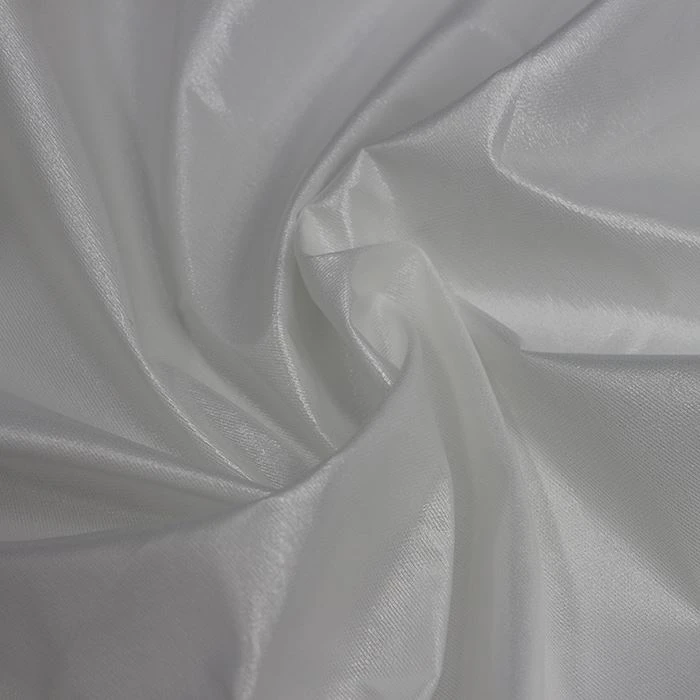
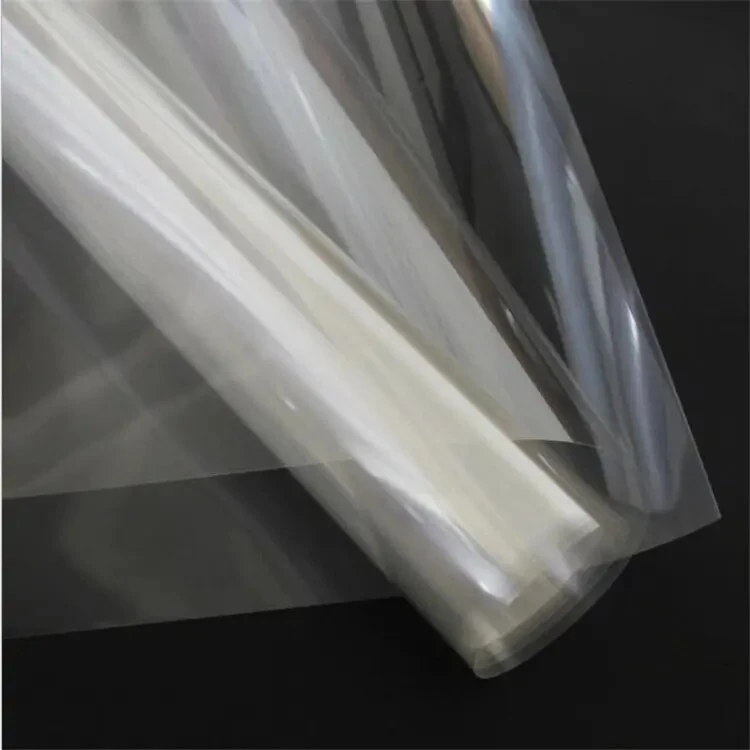
UV radiation can also affect the film over time. UV rays can cause the degradation of the polymer structure, which may lead to a decrease in the electrical insulation performance. But don't worry, we offer UV Protection TPU Film that is specially formulated to resist the harmful effects of UV radiation, ensuring long - term stability of the insulation properties.
If you're planning to use polyether-based TPU film in outdoor applications, you might want to take a look at our TPU Film for Outdoor. It's designed to withstand the harsh outdoor environment, including UV radiation, temperature variations, and humidity, while still maintaining its excellent electrical insulation performance.
In conclusion, polyether-based TPU film has excellent electrical insulation performance thanks to its high resistivity, good dielectric strength, and non - polar chemical structure. It has a wide range of applications in industries such as electronics, automotive, and electrical cable manufacturing. However, it's important to consider environmental factors like temperature, humidity, and UV radiation when using the film.
If you're in the market for polyether-based TPU film with great electrical insulation properties, we're here to help. Whether you need it for a small - scale project or a large - scale industrial application, we can provide you with the right product. Feel free to reach out to us to discuss your requirements and start a procurement negotiation. We're confident that our polyether-based TPU film will meet your needs and exceed your expectations.
References
- "Polyurethane Elastomers" by K. C. Frisch and D. Klempner
- "Handbook of Thermoplastic Elastomers" by B. M. Walker and C. P. Rader