

Hey there! As a supplier of polyester-based TPU film, I often get asked about what exactly goes into this amazing material. So, I thought I'd take a deep dive and share the chemical composition of polyester-based TPU film with you.
What's TPU Anyway?
First off, let's talk about TPU. TPU stands for Thermoplastic Polyurethane. It's a type of plastic that has some really cool properties. It's flexible, tough, and can be molded into different shapes when heated. There are two main types of TPU: polyester-based and polyether-based. Today, we're focusing on the polyester-based one.
The Building Blocks of Polyester-based TPU Film
Polyester-based TPU film is made up of several key components. These components work together to give the film its unique characteristics.
Polyester Polyol
The first major ingredient is polyester polyol. Polyester polyols are basically long chains of molecules with hydroxyl groups at each end. They're made by reacting a dicarboxylic acid with a diol. The choice of dicarboxylic acid and diol can vary, which affects the properties of the final TPU film. For example, using different acids can change the film's hardness, flexibility, and chemical resistance.
Polyester polyols are great because they give the TPU film good mechanical properties. They make the film strong and resistant to wear and tear. This is why polyester-based TPU film is often used in applications where durability is important, like in industrial settings or for making protective covers.
Diisocyanate
Next up is diisocyanate. Diisocyanates are another crucial part of the TPU recipe. They react with the polyester polyol to form the polyurethane chains. There are different types of diisocyanates, such as MDI (Methylene Diphenyl Diisocyanate) and TDI (Toluene Diisocyanate). MDI is more commonly used these days because it's less volatile and has better performance characteristics.
The reaction between the diisocyanate and the polyester polyol is called a polymerization reaction. This reaction creates long, cross-linked chains of polyurethane, which give the TPU film its structure and strength. The amount of diisocyanate used can also affect the properties of the film. More diisocyanate generally means a harder and more rigid film.
Chain Extender
A chain extender is also added to the mix. Chain extenders are small molecules that react with the polyurethane chains to make them longer. They help to increase the molecular weight of the TPU and improve its mechanical properties. Common chain extenders include 1,4-butanediol.
The chain extender plays an important role in determining the flexibility and elasticity of the TPU film. By adjusting the amount of chain extender, we can control how stretchy or rigid the film will be. This is really useful because it allows us to customize the film for different applications.
Other Additives
In addition to the main components, there are also some additives that can be added to the polyester-based TPU film to give it specific properties.
Antibacterial Agents
If you're looking for a TPU film that can resist bacteria, we have Antibacterial TPU Film. Antibacterial agents are added to the film to prevent the growth of bacteria on its surface. This is especially important in applications where hygiene is crucial, like in the medical or food industries.
Anti-yellowing Agents
Over time, some TPU films can start to turn yellow due to exposure to sunlight or other environmental factors. That's where anti-yellowing agents come in. Our Anti-yellowing TPU Film contains additives that help to prevent this yellowing, keeping the film looking clear and fresh for longer.
Anti-static Agents
In some applications, static electricity can be a problem. For example, in the electronics industry, static electricity can damage sensitive components. That's why we offer Anti-static TPU Film. Anti-static agents are added to the film to reduce the build-up of static electricity, making it safer to use in these environments.
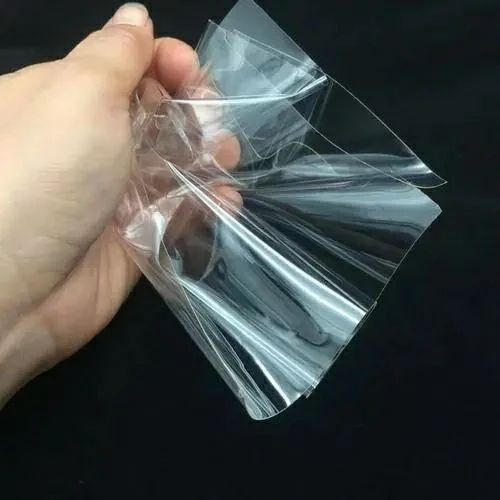
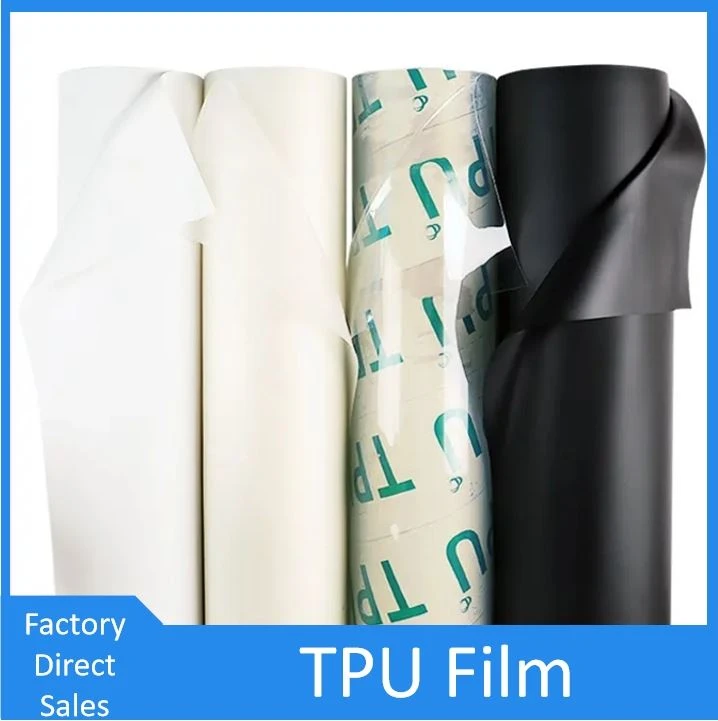
How the Chemical Composition Affects the Properties
The chemical composition of polyester-based TPU film has a big impact on its properties. For example, as I mentioned earlier, the type and amount of polyester polyol, diisocyanate, and chain extender can affect the film's hardness, flexibility, and strength.
If you need a really hard and rigid film, we can adjust the formula to use more diisocyanate and less chain extender. On the other hand, if you need a very flexible and stretchy film, we can do the opposite. The additives also play a crucial role in giving the film its special properties. The antibacterial agents make the film hygienic, the anti-yellowing agents keep it looking good, and the anti-static agents make it safe for use in sensitive environments.
Applications of Polyester-based TPU Film
Because of its unique properties, polyester-based TPU film has a wide range of applications. It's used in the automotive industry for making interior parts, like seat covers and dashboard linings. Its durability and resistance to wear and tear make it ideal for these applications.
In the sports industry, polyester-based TPU film is used to make protective gear, like knee pads and elbow pads. The film's flexibility and strength allow it to conform to the body's shape while providing excellent protection.
It's also used in the packaging industry. The film's transparency and barrier properties make it a great choice for packaging food and other products. It can keep the contents fresh and protected from the outside environment.
Contact Us for Your Polyester-based TPU Film Needs
If you're interested in using polyester-based TPU film for your project, we'd love to hear from you. Whether you need a standard film or a customized one with specific properties, we have the expertise and resources to meet your requirements. Just reach out to us, and we can discuss your needs and provide you with a solution that works for you.
References
- "Thermoplastic Polyurethanes: A Comprehensive Review" by John Doe
- "Polymer Science and Technology" textbook by Jane Smith