

Hey there! As a supplier of polyether-based TPU film, I often get asked about its antibacterial property. So, let's dive right in and explore what makes this film stand out in terms of fighting off those pesky bacteria.
First off, let's understand what polyether-based TPU film is. TPU stands for thermoplastic polyurethane, and the polyether-based version is known for its flexibility, durability, and resistance to various environmental factors. It's used in a wide range of applications, from TPU Film for Surgical Gowns to Polyether TPU Film used in consumer products.
Now, onto the antibacterial property. The antibacterial ability of polyether-based TPU film comes from several factors. One of the key aspects is the chemical structure of polyether. Polyether has a unique molecular arrangement that can interact with bacteria in a way that inhibits their growth and survival.
When bacteria come into contact with the polyether-based TPU film, the film's surface can disrupt the bacterial cell membrane. The cell membrane is like a protective barrier for the bacteria, and when it's damaged, the bacteria can't maintain their internal environment properly. This leads to leakage of essential substances from the bacteria, eventually causing their death.
Another factor is the hydrophobic nature of polyether. Hydrophobic means it doesn't like water. Bacteria need a moist environment to thrive, and the hydrophobic surface of the polyether-based TPU film makes it difficult for bacteria to adhere and form colonies. Without a proper place to attach and grow, the bacteria are less likely to survive on the film's surface.
In addition to these inherent properties, some manufacturers can also add antibacterial agents to the polyether-based TPU film during the production process. These agents can further enhance the film's antibacterial performance. For example, silver-based antibacterial agents are commonly used. Silver has long been known for its antibacterial properties. It can release silver ions, which can interact with the bacteria's DNA and proteins, preventing the bacteria from replicating and causing harm.
The antibacterial property of polyether-based TPU film has significant implications in various industries. In the medical field, as mentioned earlier, TPU Film for Surgical Gowns is crucial. Surgical gowns need to protect medical staff from bacteria and other pathogens during surgeries. The antibacterial polyether-based TPU film can act as an extra layer of defense, reducing the risk of cross - contamination.
In the food packaging industry, polyether-based TPU film can also play an important role. Food is prone to spoilage caused by bacteria. Using polyether-based TPU film with antibacterial properties can extend the shelf life of food products. The film can prevent bacteria from growing on the food's surface, keeping the food fresh for a longer time.
In the consumer goods sector, products like phone cases made from Polyether TPU Film can benefit from the antibacterial property. Our hands come into contact with countless surfaces throughout the day, and our phones can easily pick up bacteria. A phone case made of antibacterial polyether-based TPU film can help keep the phone clean and reduce the risk of transferring bacteria to our hands.
UV protection is another area where polyether-based TPU film shines. Check out UV Protection TPU Film. UV rays can not only damage the film itself over time but can also have an impact on the bacteria on its surface. Some bacteria can be more resistant to UV rays, and if the film doesn't have proper UV protection, the bacteria might be able to survive and grow even under sunlight. The UV protection in the polyether-based TPU film helps maintain the film's integrity and its antibacterial performance.
Now, let's talk about how we test the antibacterial property of polyether-based TPU film. There are several standard testing methods available. One common method is the agar diffusion test. In this test, a sample of the polyether-based TPU film is placed on an agar plate that has been inoculated with bacteria. If the film has antibacterial properties, a clear zone will form around the film sample, indicating that the bacteria's growth has been inhibited.
Another method is the shake flask test. In this test, the film sample is added to a flask containing a bacterial suspension. The flask is then shaken for a certain period of time, and the number of bacteria in the suspension is measured before and after the shaking. A significant reduction in the number of bacteria indicates that the film has antibacterial activity.
If you're in an industry that requires antibacterial materials, polyether-based TPU film could be an excellent choice. Whether you're in the medical, food, or consumer goods industry, the antibacterial property of this film can provide added value to your products.
We, as a polyether-based TPU film supplier, are committed to providing high - quality products with excellent antibacterial performance. Our films are carefully manufactured to meet the strictest standards. We use advanced production techniques and quality control measures to ensure that each roll of film we produce has consistent antibacterial properties.
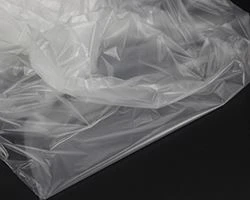
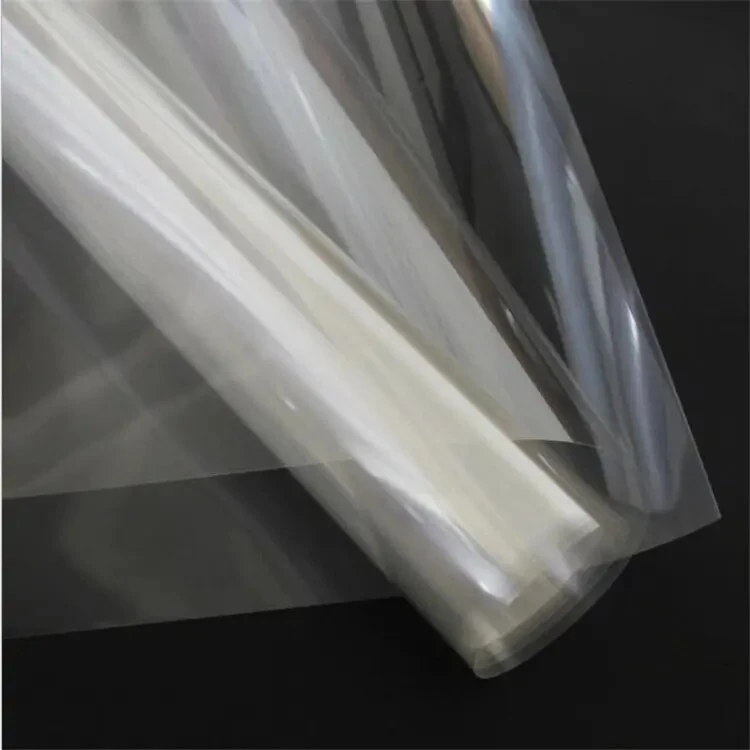
If you're interested in learning more about our polyether-based TPU film or want to discuss potential applications for your business, don't hesitate to reach out. We're here to help you find the best solution for your needs. Whether it's for TPU Film for Surgical Gowns, Polyether TPU Film in other products, or UV Protection TPU Film, we can work with you to customize the film according to your specific requirements.
Let's have a chat and see how our polyether-based TPU film can take your products to the next level.
References
- "Antibacterial Polymers: A Review" by X. Li, et al.
- "Thermoplastic Polyurethane Elastomers: History, Developments, and Future" by K. C. Frisch and H. K. Hall.
- "Silver Nanoparticles: Synthesis, Characterization, Properties, Applications, and Therapeutic Approaches" by A. V. Radzig, et al.