

Hey there! As a supplier of polyester-based TPU film, I often get questions about the regulatory requirements for using our product in medical applications. It's a crucial topic, considering the strict standards in the medical field. In this blog, I'll break down these requirements and tell you how our polyester-based TPU film fits the bill.
Understanding Polyester-based TPU Film
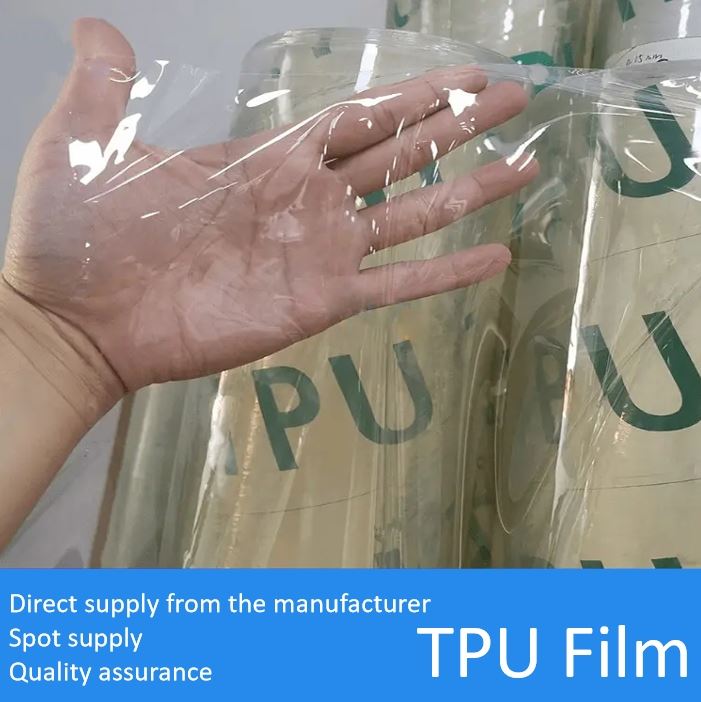
First off, let's talk a bit about what polyester-based TPU film is. TPU stands for thermoplastic polyurethane, which is a type of elastomer that combines the properties of rubber and plastic. The "polyester-based" part means that the TPU is derived from polyester polyols, giving it certain characteristics like high mechanical strength, good abrasion resistance, and excellent chemical resistance.
Our film has various applications outside the medical field too. For example, you can check out our TPU Film for Shoes Upper, which provides durability and flexibility for shoe manufacturing. Also, we offer Recyclable TPU Film, which is a great option for those looking for more sustainable products, and Warping-resistant TPU Film, useful in different industries where dimensional stability is key.
General Regulatory Bodies
When it comes to using our polyester-based TPU film in medical products, there are several major regulatory bodies that we need to comply with. One of the most well - known is the U.S. Food and Drug Administration (FDA). The FDA is responsible for protecting public health by ensuring the safety, efficacy, and security of human and veterinary drugs, biological products, medical devices, our country's food supply, cosmetics, and products that emit radiation.
In the European Union, the regulatory framework is set by the European Medical Device Regulation (MDR). The MDR aims to improve the safety and performance of medical devices on the European market, ensuring that patients' and users' interests are better protected.
Biocompatibility
One of the most fundamental requirements for using any material in medical products is biocompatibility. Biocompatibility means that the material can perform its intended function in the body without eliciting an adverse biological response.
Our polyester-based TPU film undergoes rigorous biocompatibility testing. This includes tests for cytotoxicity, which checks if the material releases any harmful substances that could kill cells. We also test for sensitization, to make sure the material doesn't cause an allergic reaction when in contact with the skin or body tissues. Another important test is irritation testing, to ensure that the film doesn't cause any irritation to the body.
For example, if our TPU film is used in a wound dressing, it has to be completely non - irritating and non - toxic to the surrounding skin and tissue. This is to ensure that the wound can heal properly without any complications caused by the material itself.

Chemical Composition and Purity
The chemical composition and purity of our polyester-based TPU film are also strictly regulated. The film should not contain any substances that are known to be harmful or have the potential to leach out into the body when used in a medical device.
We carefully control the raw materials used in the production of our TPU film. All the chemicals and additives are carefully selected to meet the strict purity standards. For instance, we avoid using heavy metals like lead and mercury, which are well - known toxins. And we make sure that the residual monomers and other impurities are within the acceptable limits set by the regulatory bodies.
Sterilization Compatibility
Medical products often need to be sterilized before use to prevent the spread of infections. So, our polyester-based TPU film has to be compatible with different sterilization methods.
Common sterilization methods include steam sterilization, gamma irradiation, and ethylene oxide sterilization. Our film is designed to withstand these processes without losing its mechanical properties or releasing any harmful substances. For example, in steam sterilization, high - pressure steam is used to kill microorganisms. Our TPU film has to be able to resist the high temperature and moisture during this process.
Shelf Life and Stability
The regulatory bodies also have requirements regarding the shelf life and stability of medical products using our polyester-based TPU film. We need to establish the expiration date of the film and ensure that it maintains its performance and safety throughout its shelf life.
We conduct accelerated aging tests to mimic the effects of long - term storage conditions in a shorter period. This helps us determine how the film's properties change over time and set an appropriate shelf life. For example, if the film is used in a medical implant, it has to maintain its integrity and functionality for the entire recommended usage period.
Packaging and Labeling
Proper packaging and labeling are essential for medical products. The packaging has to protect the product from contamination, physical damage, and environmental factors. It should also be designed in a way that allows for easy opening and use in a healthcare setting.
The labeling must include all the necessary information about the product, such as the product name, composition, intended use, storage conditions, sterilization method, and any warnings or precautions. This information helps healthcare professionals and patients use the product safely and effectively.
Post - Market Surveillance
Once our polyester-based TPU film is used in a medical device and on the market, the regulatory requirements don't stop. We are required to conduct post - market surveillance. This involves monitoring the performance of the product in real - world use and reporting any adverse events.
If a medical device using our TPU film causes any problems, such as an infection or an allergic reaction, we have to work with the device manufacturer to investigate the issue. We then need to take appropriate actions, which may include product recalls or modifications to improve the product's safety and performance.
How Our Company Meets the Requirements
At our company, we take these regulatory requirements very seriously. We have a dedicated quality control team that oversees every step of the production process, from selecting raw materials to the final product testing.
We also work closely with independent testing laboratories to ensure that our products meet or exceed all the regulatory standards. For example, we have a long - term partnership with a well - known laboratory that has extensive experience in medical material testing. This helps us get accurate and reliable test results, giving us the confidence to offer our products in the medical market.
Contact Us for Your Medical Product Needs
If you're a medical device manufacturer looking for a reliable supplier of polyester-based TPU film that meets all the regulatory requirements, we're here for you. Whether you're developing a new wound dressing, a medical implant, or any other medical product, our high - quality polyester-based TPU film could be the perfect choice for your needs.
Get in touch with us to start a discussion about your specific requirements, and let's work together to create innovative and compliant medical products.
References
- U.S. Food and Drug Administration official documentation
- European Medical Device Regulation (MDR) guidelines
- Industry - specific research on biocompatibility and medical material testing