

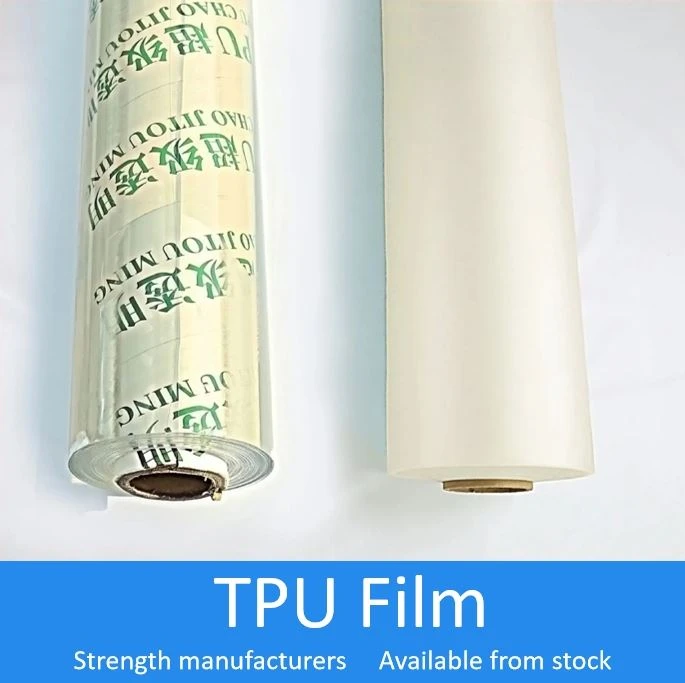
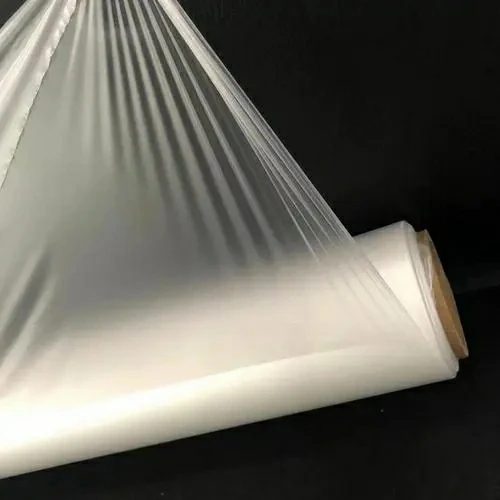
Polyester-based TPU (Thermoplastic Polyurethane) film is a versatile material known for its excellent mechanical properties, chemical resistance, and durability. As a leading supplier of polyester-based TPU film, we are well-versed in the various lamination processes that can be applied to this material to enhance its performance and expand its range of applications. In this blog post, we will explore the different lamination processes for polyester-based TPU film, their advantages, and the applications they are best suited for.
1. Adhesive Lamination
Adhesive lamination is one of the most common methods used to bond polyester-based TPU film to other materials. This process involves applying an adhesive to either the TPU film or the substrate, or both, and then pressing the two materials together under heat and pressure. The adhesive can be a solvent-based, water-based, or hot-melt adhesive, depending on the specific requirements of the application.
Advantages
- Versatility: Adhesive lamination can be used to bond TPU film to a wide range of substrates, including fabrics, papers, metals, and plastics. This makes it a flexible option for various applications.
- Strong Bond: The adhesive creates a strong and durable bond between the TPU film and the substrate, ensuring that the laminated material maintains its integrity even under harsh conditions.
- Customizable: The type of adhesive can be selected based on the specific requirements of the application, such as flexibility, heat resistance, and chemical resistance.
Applications
- Textile Industry: Adhesive lamination is commonly used in the textile industry to bond TPU film to fabrics for applications such as waterproof clothing, sportswear, and outdoor gear. For example, TPU Film for Raincoat can be laminated to a fabric using an adhesive to create a waterproof and breathable raincoat.
- Packaging Industry: In the packaging industry, adhesive lamination is used to bond TPU film to paper or cardboard to create a protective barrier against moisture, oxygen, and other contaminants.
- Automotive Industry: Adhesive lamination is also used in the automotive industry to bond TPU film to interior trim components, such as dashboards and door panels, to provide a soft and comfortable feel.
2. Thermal Lamination
Thermal lamination involves heating the polyester-based TPU film and the substrate to a specific temperature and then pressing them together to form a bond. This process does not require the use of an adhesive, as the heat softens the TPU film, allowing it to adhere to the substrate.
Advantages
- No Adhesive Residue: Since no adhesive is used in thermal lamination, there is no risk of adhesive residue or contamination, which is particularly important in applications where a clean and smooth surface is required.
- High Bond Strength: Thermal lamination creates a strong and permanent bond between the TPU film and the substrate, making it suitable for applications that require high durability and resistance to peeling.
- Fast and Efficient: Thermal lamination is a relatively fast and efficient process, which can increase productivity and reduce production costs.
Applications
- Electronics Industry: Thermal lamination is commonly used in the electronics industry to bond TPU film to circuit boards and other electronic components to provide protection against moisture, dust, and static electricity.
- Medical Industry: In the medical industry, thermal lamination is used to bond TPU film to medical devices and equipment to provide a sterile and protective barrier.
- Graphic Arts Industry: Thermal lamination is also used in the graphic arts industry to bond TPU film to printed materials, such as posters and banners, to enhance their durability and appearance.
3. Extrusion Lamination
Extrusion lamination is a process in which a molten polymer is extruded onto the surface of the polyester-based TPU film and the substrate, creating a bond between the two materials. This process is typically used to bond TPU film to a substrate that is difficult to bond using other methods, such as a porous or irregular surface.
Advantages
- Strong Bonding to Porous Substrates: Extrusion lamination can create a strong bond between the TPU film and porous substrates, such as paper and cardboard, by filling the pores with the molten polymer.
- High Productivity: Extrusion lamination is a continuous process that can be carried out at high speeds, making it suitable for large-scale production.
- Customizable Thickness: The thickness of the extruded polymer layer can be easily controlled, allowing for the customization of the laminated material's properties.
Applications
- Food Packaging Industry: Extrusion lamination is commonly used in the food packaging industry to bond TPU film to paper or cardboard to create a barrier against moisture, oxygen, and other contaminants. For example, Anti-fungus TPU Film can be extruded onto a paper substrate to create a packaging material that prevents the growth of fungi.
- Building and Construction Industry: In the building and construction industry, extrusion lamination is used to bond TPU film to insulation materials, such as foam boards, to provide a protective and waterproof layer.
- Agricultural Industry: Extrusion lamination is also used in the agricultural industry to bond TPU film to agricultural films, such as greenhouse films and mulch films, to enhance their durability and performance.
4. Coextrusion Lamination
Coextrusion lamination is a process in which two or more polymers are extruded simultaneously through a single die to form a multi-layered film. This process allows for the combination of different polymers with different properties, such as strength, flexibility, and chemical resistance, to create a laminated material with enhanced performance.
Advantages
- Tailored Properties: Coextrusion lamination allows for the customization of the laminated material's properties by combining different polymers with different properties. For example, a polyester-based TPU film can be coextruded with a polyolefin layer to create a laminated material with improved moisture resistance.
- Reduced Cost: Coextrusion lamination can reduce the cost of production by eliminating the need for multiple lamination steps and reducing the amount of raw materials used.
- Improved Performance: The multi-layered structure of the coextruded film can provide improved performance compared to a single-layered film, such as increased strength, flexibility, and chemical resistance.
Applications
- Automotive Industry: Coextrusion lamination is commonly used in the automotive industry to create multi-layered films for applications such as automotive interiors, exterior trim, and airbags.
- Packaging Industry: In the packaging industry, coextrusion lamination is used to create multi-layered films for applications such as food packaging, pharmaceutical packaging, and industrial packaging. For example, Acid-proof TPU Film can be coextruded with a barrier layer to create a packaging material that provides protection against acidic substances.
- Medical Industry: Coextrusion lamination is also used in the medical industry to create multi-layered films for applications such as medical packaging, wound dressings, and surgical drapes.
Conclusion
In conclusion, there are several lamination processes available for polyester-based TPU film, each with its own advantages and applications. Adhesive lamination is a versatile and widely used method that can be used to bond TPU film to a variety of substrates. Thermal lamination offers a strong and permanent bond without the use of an adhesive, making it suitable for applications where a clean and smooth surface is required. Extrusion lamination is ideal for bonding TPU film to porous or irregular substrates, while coextrusion lamination allows for the customization of the laminated material's properties by combining different polymers.
As a leading supplier of polyester-based TPU film, we have extensive experience in the lamination processes and can provide our customers with high-quality laminated products that meet their specific requirements. Whether you are in the textile, packaging, automotive, electronics, medical, or any other industry, we can help you find the right lamination solution for your application.
If you are interested in learning more about our polyester-based TPU film and the lamination processes we offer, please contact us for a consultation. Our team of experts will be happy to assist you in selecting the best lamination process and product for your needs.
References
- Smith, J. (2020). "Thermoplastic Polyurethane Films: Properties, Processing, and Applications." Polymer Reviews, 60(2), 123-145.
- Jones, A. (2019). "Lamination Processes for Polymer Films." Journal of Polymer Science, Part B: Polymer Physics, 57(10), 876-890.
- Brown, C. (2018). "Advances in Coextrusion Technology for Polymer Films." Polymer Engineering and Science, 58(7), 1123-1135.