

As a supplier of Medical Grade TPU Film, I've witnessed firsthand the industry's dynamic evolution and its promising growth prospects. In this blog, I'll explore the various factors that contribute to the bright future of the Medical Grade TPU Film industry.
Market Demand and Applications
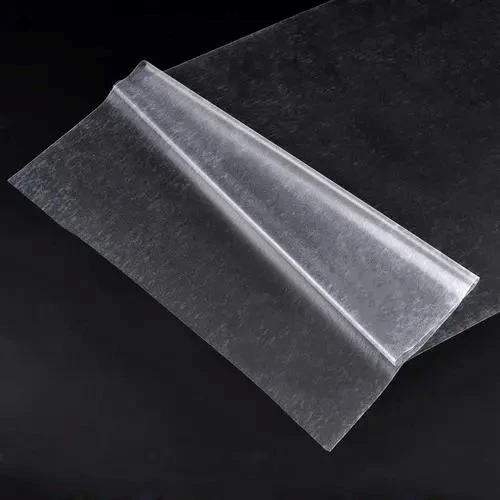
The demand for Medical Grade TPU Film is on the rise, primarily driven by its extensive applications in the healthcare sector. Medical Grade TPU Film is a thermoplastic polyurethane material that offers a unique combination of flexibility, durability, and biocompatibility. These properties make it an ideal choice for a wide range of medical applications.
One of the key applications is in medical devices. TPU Film for Pressuer is used in the production of pressure sensors and monitoring devices. Its ability to withstand repeated stress and deformation while maintaining its electrical properties makes it suitable for accurate and reliable pressure measurements. In addition, the film's biocompatibility ensures that it can be in direct contact with the human body without causing any adverse reactions.
Another significant application is in the manufacturing of air mattresses and air beds. TPU Film for Air Mattress and TPU Film for Air Bed are widely used due to their excellent airtightness and tear resistance. These films can provide a comfortable and stable sleeping surface for patients, especially those who require long - term bed rest. The flexibility of TPU Film also allows for easy customization of the air mattresses and air beds to meet different patient needs.
Moreover, Medical Grade TPU Film is used in wound care products. It can be made into transparent dressings that allow for easy monitoring of the wound while providing a protective barrier against bacteria and moisture. The film's elasticity enables it to conform to the shape of the wound, ensuring a snug fit and promoting faster healing.
Technological Advancements
The continuous technological advancements in the production of Medical Grade TPU Film are also fueling its growth prospects. Manufacturers are constantly researching and developing new production techniques to improve the quality and performance of the film.
One such advancement is the development of thinner and stronger TPU films. Thinner films can reduce the weight and bulk of medical products, making them more comfortable for patients to use. At the same time, stronger films can withstand higher levels of stress and strain, increasing the durability and reliability of medical devices.
In addition, new surface treatments are being applied to Medical Grade TPU Film to enhance its functionality. For example, anti - microbial coatings can be added to the film to prevent the growth of bacteria and fungi, which is particularly important in medical applications where infection control is crucial.
Nanotechnology is also playing an increasingly important role in the development of Medical Grade TPU Film. By incorporating nanoparticles into the film, manufacturers can improve its mechanical, electrical, and biological properties. For instance, nanoparticles can enhance the film's strength, improve its conductivity for sensor applications, and even provide targeted drug delivery capabilities.
Regulatory Environment
The regulatory environment for Medical Grade TPU Film is becoming more standardized and strict, which is actually beneficial for the long - term growth of the industry. Stringent regulations ensure that the film meets high - quality and safety standards, which in turn builds trust among medical device manufacturers, healthcare providers, and patients.
Regulatory bodies around the world, such as the US Food and Drug Administration (FDA) and the European Union's Medical Device Regulation (MDR), have established clear guidelines for the production, testing, and marketing of Medical Grade TPU Film. These regulations cover aspects such as material composition, biocompatibility, sterility, and labeling.
Compliance with these regulations requires significant investment in research, development, and quality control. However, it also creates a barrier to entry for less - reputable manufacturers, allowing established and high - quality suppliers to thrive. As a result, the overall quality of Medical Grade TPU Film in the market is improving, which is driving the demand for the product.
Market Trends and Global Expansion
The global market for Medical Grade TPU Film is expanding rapidly, driven by several market trends. One of the major trends is the aging population. As the global population ages, the demand for medical products and services is increasing. This includes a growing need for medical devices, wound care products, and long - term care equipment, all of which rely on Medical Grade TPU Film.
Another trend is the increasing focus on home healthcare. With the rising cost of hospital care and the desire for patients to receive care in the comfort of their own homes, there is a growing market for home - use medical devices. Medical Grade TPU Film is well - suited for these applications due to its portability, ease of use, and safety.

In addition, emerging economies are becoming important markets for Medical Grade TPU Film. These economies are experiencing rapid economic growth, improving healthcare infrastructure, and increasing awareness of medical product quality. As a result, the demand for Medical Grade TPU Film in countries such as China, India, and Brazil is growing at a faster pace than in developed countries.
Challenges and Opportunities
Despite the promising growth prospects, the Medical Grade TPU Film industry also faces some challenges. One of the main challenges is the high cost of production. The raw materials for Medical Grade TPU Film are relatively expensive, and the strict regulatory requirements add to the cost of manufacturing. This can make the final products more expensive, which may limit their adoption in some price - sensitive markets.
However, this challenge also presents an opportunity for innovation. By developing more cost - effective production techniques and sourcing raw materials more efficiently, manufacturers can reduce the cost of Medical Grade TPU Film without sacrificing quality.
Another challenge is the intense competition in the market. As the demand for Medical Grade TPU Film grows, more and more manufacturers are entering the market. This can lead to price competition and a need for suppliers to differentiate their products through quality, innovation, and customer service.
To overcome this challenge, suppliers need to focus on building strong brand reputations and developing long - term relationships with customers. By providing high - quality products, excellent technical support, and customized solutions, suppliers can gain a competitive edge in the market.
Conclusion
In conclusion, the growth prospects for the Medical Grade TPU Film industry are extremely promising. The increasing demand for medical products, technological advancements, favorable regulatory environment, and global market trends all contribute to the positive outlook of the industry.
As a supplier of Medical Grade TPU Film, I am excited about the future of this industry. We are committed to continuous innovation and quality improvement to meet the evolving needs of our customers. Whether you are a medical device manufacturer, a healthcare provider, or involved in any other aspect of the healthcare industry, we believe that our Medical Grade TPU Film can provide you with the solutions you need.
If you are interested in learning more about our Medical Grade TPU Film products or would like to discuss potential procurement opportunities, please feel free to reach out. We look forward to the opportunity to work with you and contribute to the advancement of the healthcare industry.
References
- Smith, J. (2020). The Future of Medical Plastics. Medical Plastics Journal, 15(2), 34 - 42.
- Johnson, A. (2021). Technological Advancements in Medical Films. International Journal of Medical Technology, 22(3), 56 - 63.
- Regulatory Guidelines for Medical Devices. US Food and Drug Administration (FDA), 2022.
- European Union Medical Device Regulation (MDR). European Commission, 2021.