

Hey there! I'm a supplier of paint protection film (PPF), and I'm super stoked to dive into the chemical properties of this amazing product. PPF has become a game - changer in the automotive and other industries, and understanding its chemistry can really help you appreciate its value.

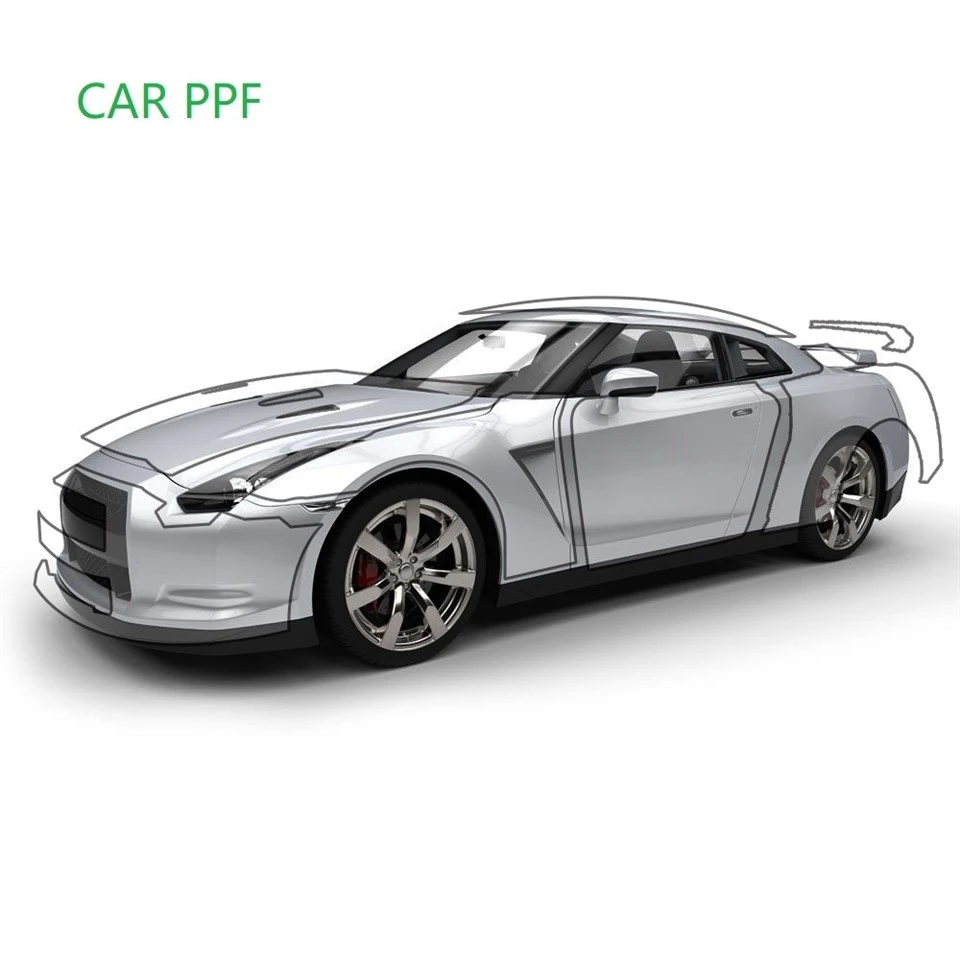
Let's start with the most common material used in high - quality PPF today: thermoplastic polyurethane (TPU). This stuff is like the superhero of polymers when it comes to protecting your car's paint. TPU is a linear block copolymer, which basically means it's made up of different building blocks linked together in a line.
One of the key chemical properties of TPU that makes it an ideal choice for PPF is its elasticity. The chemical structure of TPU allows it to stretch and then bounce back to its original shape. When a rock hits your car or you accidentally scrape against something, the TPU film in the PPF can stretch to absorb the impact. Then, thanks to its memory - like properties, it returns to its normal state. This is known as self - healing. You might have seen videos where a scratch on a PPF - covered car just disappears after a little heat, like the heat from the sun on a warm day. That's the magic of the chemical nature of TPU at work.
Another important chemical property is its resistance to UV radiation. The sun is constantly bombarding our cars with ultraviolet rays, which can cause the paint to fade, crack, and lose its shine over time. TPU in PPF has chemical bonds that are designed to absorb and dissipate UV energy. Special additives are often incorporated into the TPU during the manufacturing process. These additives act like little shields, absorbing the harmful UV rays and preventing them from reaching the car's paint. This helps to keep the paint looking fresh and vibrant for years.
Now, let's talk about chemical resistance. PPF needs to be able to withstand all sorts of chemicals that your car might come into contact with. Think about things like road salts, bird droppings, tree sap, and even acidic rain. TPU has a chemical structure that makes it resistant to these substances. The polymer chains in TPU are tightly packed, which makes it difficult for chemicals to penetrate and damage the film. The surface of the TPU in PPF is also relatively non - reactive, so it doesn't easily react with the chemicals it encounters on the road.
Adhesion is another crucial aspect. The PPF needs to stick firmly to the car's surface without leaving any residue when it's removed. The adhesive used in PPF is carefully formulated. It has a chemical composition that allows it to bond well with the paint surface. The adhesive molecules interact with the molecules on the paint through a process called van der Waals forces. These are weak intermolecular forces that create an attraction between the adhesive and the paint. At the same time, the adhesive is designed to be removable, which means it can be gently peeled off when necessary without damaging the paint.
In addition to TPU - based PPF, there are also other types of paint protection films out there. Some are made from polyvinyl chloride (PVC). PVC has its own set of chemical properties. It's a rigid polymer, which means it's not as elastic as TPU. PVC - based PPF is generally more affordable, but it doesn't have the self - healing properties that TPU has. PVC is also more prone to yellowing over time when exposed to UV radiation, because the chemical bonds in PVC can break down under the influence of UV light.
Now, let's look at how these chemical properties translate into real - world benefits. For car owners, the self - healing property means less worry about minor scratches and chips. You can drive with more peace of mind, knowing that your car's paint is well - protected. The UV resistance ensures that your car's paint job retains its original color and luster, which can also help maintain its resale value. And the chemical resistance means you don't have to worry as much about the damage caused by environmental contaminants.
If you're a Tesla owner, you'll be happy to know that we offer a Paint Protection Film for Tesla. Our film is specifically designed to fit the unique curves and contours of Tesla vehicles while providing all the chemical protection benefits we've been talking about.
For those looking for a high - quality, scratch - resistant option, our Scratch Resistant TPU Film is a great choice. The TPU material's chemical properties give it excellent scratch resistance, so your car can stay looking brand new for longer.
And if you want to see what our PPF looks like on a car, check out PPF On Car. You can get a real - life view of how well it adheres and how it enhances the appearance of the vehicle.
Whether you're a car enthusiast, a daily commuter, or a professional in the automotive industry, understanding the chemical properties of PPF can help you make an informed decision when it comes to protecting your investment. If you're interested in purchasing our paint protection film, we're here to have a chat. We can discuss your specific needs, whether it's for a particular make and model of car or for other applications where PPF can be useful. Reach out to us and let's start a conversation about how our PPF can work for you.
References
- "Polymer Science and Technology" textbooks for general information on TPU and PVC polymers.
- Industry research papers on the development and performance of paint protection films.