

As a supplier of Eva Hot Adhesive Film, I understand the critical role that optimizing the heating temperature plays in ensuring the best performance of our product. In this blog post, I'll share some insights on how to optimize the heating temperature for Eva Hot Adhesive Film, drawing on both scientific knowledge and practical experience.
Understanding the Basics of Eva Hot Adhesive Film
Eva Hot Adhesive Film, also known as ethylene-vinyl acetate hot melt adhesive film, is a popular choice in various industries due to its excellent adhesion, flexibility, and resistance to environmental factors. It is widely used in applications such as packaging, textile lamination, and automotive interiors. The performance of Eva Hot Adhesive Film is highly dependent on the heating temperature during the bonding process.
The heating process of Eva Hot Adhesive Film involves transforming the solid film into a molten state, where it can flow and bond with the substrates. The optimal heating temperature is crucial because it affects the viscosity, wetting ability, and bonding strength of the adhesive. If the temperature is too low, the adhesive may not melt completely, resulting in poor wetting and weak bonding. On the other hand, if the temperature is too high, the adhesive may degrade, lose its bonding properties, and even emit harmful fumes.
Factors Affecting the Optimal Heating Temperature
Several factors influence the optimal heating temperature for Eva Hot Adhesive Film. These include the composition of the film, the type of substrates being bonded, the bonding pressure, and the application requirements.

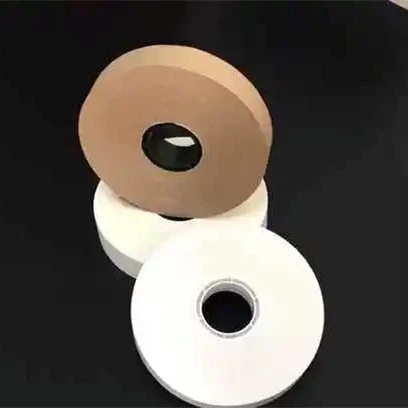
Composition of the Film
The composition of Eva Hot Adhesive Film determines its melting point and viscosity characteristics. Different formulations of Eva Hot Adhesive Film may have different optimal heating temperatures. For example, films with a higher vinyl acetate content generally have a lower melting point and may require a lower heating temperature. As a supplier, we provide detailed technical specifications for each of our Eva Hot-melt Adhesive Material products, which include information on the recommended heating temperature range.
Type of Substrates
The type of substrates being bonded also affects the optimal heating temperature. Different materials have different heat transfer properties and surface energies. For instance, bonding Eva Hot Adhesive Film to a metal substrate may require a different heating temperature compared to bonding it to a plastic or fabric substrate. Metals conduct heat more efficiently than plastics or fabrics, so the heating time may need to be adjusted accordingly. Additionally, substrates with low surface energy may require a higher temperature to ensure proper wetting and adhesion.
Bonding Pressure
The bonding pressure applied during the heating process can also impact the optimal heating temperature. Higher bonding pressures can help the molten adhesive spread more evenly and penetrate the substrate surface, which may allow for a slightly lower heating temperature. Conversely, lower bonding pressures may require a higher temperature to achieve the same level of bonding strength.
Application Requirements
The specific application requirements, such as the desired bonding strength, flexibility, and durability, also play a role in determining the optimal heating temperature. For applications that require high bonding strength, a higher heating temperature may be necessary to ensure complete melting and cross-linking of the adhesive. However, for applications where flexibility is more important, a lower temperature may be preferred to prevent the adhesive from becoming too brittle.
Methods for Optimizing the Heating Temperature
To optimize the heating temperature for Eva Hot Adhesive Film, the following methods can be employed:
Conducting Preliminary Tests
Before starting a large-scale production, it is recommended to conduct preliminary tests on a small sample. This allows you to determine the optimal heating temperature for your specific substrates and application requirements. You can vary the heating temperature within the recommended range provided by the supplier and evaluate the bonding strength, wetting ability, and appearance of the bonded samples. This trial-and-error approach can help you find the sweet spot for the heating temperature.
Using Temperature Monitoring Devices
Using temperature monitoring devices, such as infrared thermometers or thermocouples, can help ensure that the heating temperature is accurately controlled. These devices can measure the surface temperature of the adhesive film and the substrate during the heating process, allowing you to make real-time adjustments if necessary. By maintaining a consistent and accurate heating temperature, you can improve the quality and reliability of the bonding process.
Adjusting the Heating Time
In addition to the heating temperature, the heating time also affects the performance of the adhesive. Longer heating times can allow the adhesive to melt more completely and achieve better wetting and bonding. However, excessive heating times can also lead to adhesive degradation. Therefore, it is important to find the right balance between the heating temperature and the heating time. You can experiment with different heating times at a given temperature to determine the optimal combination for your application.
Considering the Heating Method
There are various heating methods available for melting Eva Hot Adhesive Film, including hot press, hot air, and infrared heating. Each heating method has its own advantages and disadvantages, and the choice of heating method can also influence the optimal heating temperature. For example, hot press heating provides direct contact between the heating source and the adhesive film, which can result in more efficient heat transfer and a potentially lower heating temperature. On the other hand, hot air and infrared heating methods may require a higher temperature to achieve the same level of melting due to the indirect heat transfer.
Case Studies and Practical Examples
Let's take a look at some real-world examples of how optimizing the heating temperature for Eva Hot Adhesive Film can improve the performance of the bonding process.
Packaging Industry
In the packaging industry, Eva Hot Adhesive Film is commonly used for sealing cartons and packages. By optimizing the heating temperature, a packaging manufacturer was able to reduce the amount of adhesive used while maintaining the same level of bonding strength. This not only saved costs but also improved the environmental sustainability of the packaging process. The manufacturer conducted a series of tests to determine the optimal heating temperature for their specific carton materials and found that by increasing the temperature slightly, they could achieve better wetting and a stronger bond with less adhesive.
Textile Lamination
In textile lamination applications, Eva Hot Adhesive Film is used to bond different layers of fabric together. A textile manufacturer was experiencing issues with delamination and poor flexibility in their laminated products. After analyzing the heating process, they discovered that the heating temperature was too high, causing the adhesive to become brittle. By reducing the heating temperature and adjusting the heating time, they were able to improve the flexibility and durability of the laminated fabrics, resulting in higher-quality products and increased customer satisfaction.
Conclusion
Optimizing the heating temperature for Eva Hot Adhesive Film is essential for achieving the best performance in various applications. By understanding the factors that affect the optimal temperature, conducting preliminary tests, using temperature monitoring devices, adjusting the heating time, and considering the heating method, you can ensure a successful bonding process. As a Hot Melt Glue Manufacturer, we are committed to providing high-quality Eva Hot Adhesive Film products and technical support to help you optimize your heating process.
If you are interested in learning more about our Eva Hot Adhesive Film products or have any questions regarding the heating temperature optimization, please feel free to contact us. We look forward to discussing your specific needs and helping you find the best solutions for your applications. Whether you are in the packaging, textile, or automotive industry, our products can meet your requirements for high-performance bonding.
References
- "Handbook of Adhesive Technology" by Skeist, I.
- "Hot Melt Adhesives: Technology and Applications" by Wilson, A. D.
- Technical documentation provided by the Eva Hot Adhesive Film supplier.