

Pressure ulcers, also known as bedsores or pressure sores, are a significant concern in the healthcare industry. They occur when there is prolonged pressure on the skin, typically over bony prominences such as the heels, hips, and sacrum. These ulcers can cause severe pain, infection, and even long - term complications for patients. As a leading supplier of Medical Surgical Film, I am excited to share with you the numerous benefits of using our products on pressure ulcers.
1. Protection Against External Contaminants
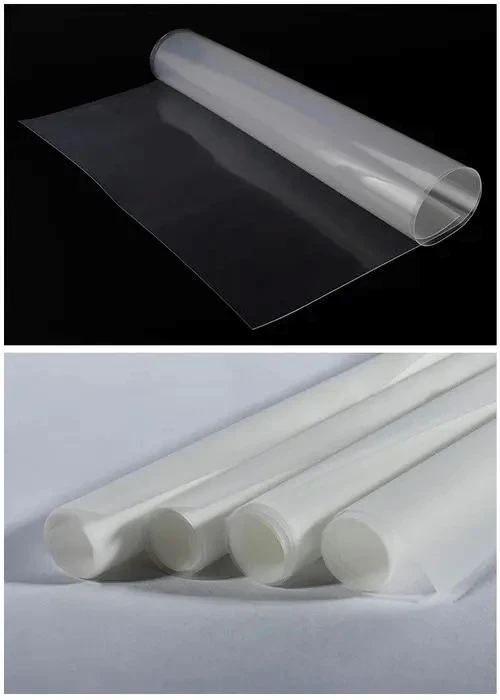
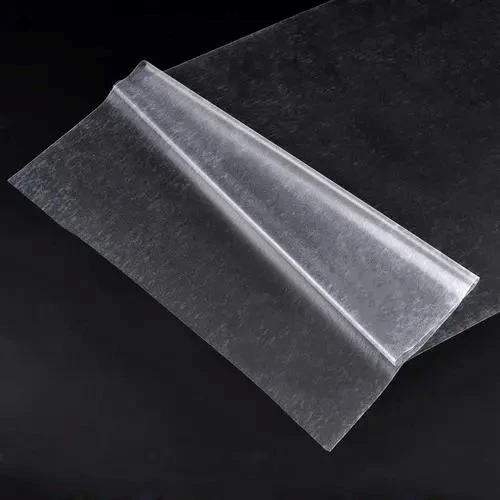
Medical surgical film acts as a physical barrier between the pressure ulcer and the external environment. It prevents bacteria, viruses, and other contaminants from entering the wound, reducing the risk of infection. Our Medical Grade TPU Film is made from high - quality thermoplastic polyurethane (TPU) that has excellent impermeability. This means that it can effectively block out harmful substances while still allowing the skin to breathe.
A study by the National Pressure Ulcer Advisory Panel (NPUAP) found that patients with pressure ulcers covered with a protective film had a significantly lower incidence of wound infections compared to those without such protection. The film creates a sealed environment around the ulcer, which inhibits the growth and spread of microorganisms.
2. Moisture Management
Proper moisture management is crucial for the healing of pressure ulcers. Excessive moisture can macerate the skin, leading to further damage, while a dry environment can impede the natural healing process. Our medical surgical films are designed to maintain an optimal level of moisture at the wound site.
The TPU Film for Pressuer has a semi - permeable property that allows the controlled evaporation of excess moisture from the wound. At the same time, it retains enough moisture to keep the wound bed hydrated, which is essential for cell migration, proliferation, and the formation of new tissue. This balanced moisture environment promotes faster healing and reduces the risk of wound breakdown.
3. Reducing Friction and Shear Forces
Friction and shear forces are common causes of pressure ulcers and can also impede the healing process. When a patient moves or is repositioned in bed, these forces can damage the skin and underlying tissues. Medical surgical films can act as a lubricant, reducing the friction between the patient's skin and the bedding or other surfaces.
Our films are smooth and flexible, which helps to distribute pressure evenly across the wound area. This reduces the stress on the ulcer and surrounding tissues, preventing further damage. For example, in a nursing home setting, using our TPU Film for Air Bed on air mattresses can significantly reduce the friction and shear forces experienced by patients, especially those with limited mobility.
4. Comfort for the Patient
Patients with pressure ulcers often experience significant pain and discomfort. Medical surgical films can provide a layer of comfort by cushioning the wound and protecting it from direct contact with clothing or bedding. The soft and flexible nature of our films conforms to the body's contours, ensuring a snug fit without causing additional irritation.
Moreover, the films are lightweight and unobtrusive, allowing patients to move more freely without feeling restricted. This improved comfort can have a positive impact on the patient's overall well - being and compliance with treatment.
5. Easy Application and Removal
Our medical surgical films are designed for easy application and removal. They come with a gentle adhesive that adheres well to the skin without causing excessive pain or damage when removed. This is particularly important for patients with sensitive skin or those who may require frequent dressing changes.
The ease of application also means that healthcare providers can quickly and efficiently apply the film to the pressure ulcer, saving time and reducing the risk of wound contamination during the dressing change process.
6. Cost - Effectiveness
In the long run, using medical surgical films on pressure ulcers can be cost - effective. By preventing infections and promoting faster healing, the films can reduce the length of hospital stays and the need for expensive antibiotics and other treatments.
A cost - analysis study conducted in a large hospital showed that the use of medical films on pressure ulcers resulted in significant cost savings over a one - year period. The reduced incidence of complications and the faster healing times led to lower overall healthcare costs for both the patient and the healthcare system.
7. Compatibility with Other Treatments
Medical surgical films can be used in conjunction with other pressure ulcer treatments, such as topical medications and wound dressings. They do not interfere with the effectiveness of these treatments and can, in fact, enhance their performance.
For example, when used with a topical antibiotic, the film can help to keep the medication in contact with the wound for a longer period, increasing its efficacy. This compatibility allows healthcare providers to customize the treatment plan according to the specific needs of each patient.
Contact for Purchase and Collaboration
If you are interested in learning more about our Medical Surgical Films or would like to discuss a potential purchase, please feel free to reach out. Our team of experts is ready to provide you with detailed product information, samples, and pricing. We are committed to providing high - quality products and excellent customer service to meet your healthcare needs.
References
- National Pressure Ulcer Advisory Panel (NPUAP). (2019). Prevention and Treatment of Pressure Ulcers: Clinical Practice Guideline.
- Beeckman, D., et al. (2019). Pressure ulcer prevention and treatment: an updated clinical practice guideline. International Journal of Nursing Studies, 94, 103215.
- Gray, M., et al. (2012). Treating pressure ulcers: a clinical practice guideline. Ostomy/Wound Management, 58(2), 20 - 50.