

Is TPU hot melt adhesive suitable for bonding polyurethane?
As a supplier of TPU hot melt adhesive, I often encounter inquiries from customers about the suitability of TPU hot melt adhesive for bonding polyurethane. In this blog post, I will delve into this topic and provide a comprehensive analysis based on scientific knowledge and practical experience.
Understanding TPU Hot Melt Adhesive
TPU, or thermoplastic polyurethane, is a versatile polymer known for its excellent elasticity, abrasion resistance, and chemical resistance. TPU hot melt adhesive is a type of adhesive that is based on TPU polymers. It is solid at room temperature and becomes fluid when heated, allowing it to be applied and bond materials together.
One of the key advantages of TPU hot melt adhesive is its fast bonding speed. Once the adhesive is heated and applied to the surfaces to be bonded, it quickly cools and solidifies, forming a strong bond. This makes it suitable for high - speed production processes. Additionally, TPU hot melt adhesive offers good flexibility, which is important when bonding materials that may be subject to bending or stretching.
Properties of Polyurethane
Polyurethane is a widely used polymer with a wide range of applications, including in the automotive, furniture, and textile industries. It has excellent mechanical properties, such as high strength and good elasticity. Polyurethane can be rigid or flexible, depending on its formulation.
When considering bonding polyurethane, it is important to understand its surface properties. Polyurethane surfaces can vary in terms of their polarity, roughness, and chemical composition. These factors can significantly affect the bonding performance of an adhesive.
Compatibility between TPU Hot Melt Adhesive and Polyurethane
The compatibility between TPU hot melt adhesive and polyurethane is generally quite good. Since TPU hot melt adhesive is also based on polyurethane polymers, there is a certain degree of chemical affinity between the two materials. This chemical similarity can lead to strong intermolecular forces between the adhesive and the polyurethane substrate, resulting in a reliable bond.
The flexibility of TPU hot melt adhesive also makes it well - suited for bonding polyurethane. Since polyurethane can be flexible in many applications, an adhesive with similar flexibility can better accommodate the movement and deformation of the bonded parts without causing the bond to break.
However, several factors need to be considered to ensure a successful bond. First, the surface of the polyurethane must be clean and free of contaminants such as dust, grease, or release agents. Any impurities on the surface can prevent the adhesive from making good contact with the substrate and reduce the bonding strength.
Second, the temperature and pressure during the bonding process are crucial. TPU hot melt adhesive needs to be heated to the appropriate temperature to achieve the right viscosity for application. If the temperature is too low, the adhesive may not flow properly and may not form a good bond. On the other hand, if the temperature is too high, it may cause degradation of the adhesive or the polyurethane substrate.
Applications of TPU Hot Melt Adhesive in Bonding Polyurethane
In the textile industry, TPU Hot Melt Adhesive Film for Textile is widely used to bond polyurethane - coated fabrics. This type of adhesive can provide a strong and flexible bond, ensuring that the fabric retains its stretchability and comfort. For example, in sportswear and outdoor clothing, TPU hot melt adhesive is used to bond different layers of fabric together, creating a seamless and durable product.
In the automotive industry, TPU hot melt adhesive can be used to bond polyurethane parts such as interior trim components. The fast - bonding nature of the adhesive allows for efficient production processes, and its flexibility can withstand the vibrations and movements experienced in a vehicle.
In the furniture industry, TPU Hot Melt can be used to bond polyurethane foam to other materials such as wood or fabric. This provides a strong and long - lasting bond, enhancing the overall quality and durability of the furniture.
Advantages of Using TPU Hot Melt Adhesive for Bonding Polyurethane
- Strong Bonding Strength: As mentioned earlier, the chemical similarity between TPU hot melt adhesive and polyurethane leads to a strong bond. This bond can withstand various stresses and strains, ensuring the long - term performance of the bonded parts.
- Flexibility: The flexibility of TPU hot melt adhesive allows it to adapt to the movement and deformation of polyurethane materials. This is particularly important in applications where the bonded parts are subject to bending, stretching, or vibration.
- Fast Bonding: The fast - setting nature of TPU hot melt adhesive enables high - speed production processes. This can increase productivity and reduce production costs.
- Environmental Friendliness: TPU hot melt adhesive is generally considered to be more environmentally friendly compared to some solvent - based adhesives. It does not release harmful volatile organic compounds (VOCs) during the bonding process.
Considerations for Bonding with TPU Hot Melt Adhesive
- Surface Preparation: As emphasized before, proper surface preparation is essential. This may involve cleaning the polyurethane surface with a suitable solvent or abrasive treatment to improve the adhesion.
- Adhesive Selection: Different types of TPU hot melt adhesives are available, each with its own set of properties. It is important to select the right adhesive based on the specific requirements of the application, such as the bonding strength, flexibility, and temperature resistance.
- Process Parameters: The temperature, pressure, and application time during the bonding process need to be carefully controlled. These parameters can vary depending on the type of TPU hot melt adhesive and the polyurethane substrate.
Conclusion
In conclusion, TPU hot melt adhesive is generally suitable for bonding polyurethane. The chemical compatibility, flexibility, and fast - bonding properties make it a good choice for a wide range of applications. However, to ensure a successful bond, proper surface preparation, adhesive selection, and control of process parameters are necessary.
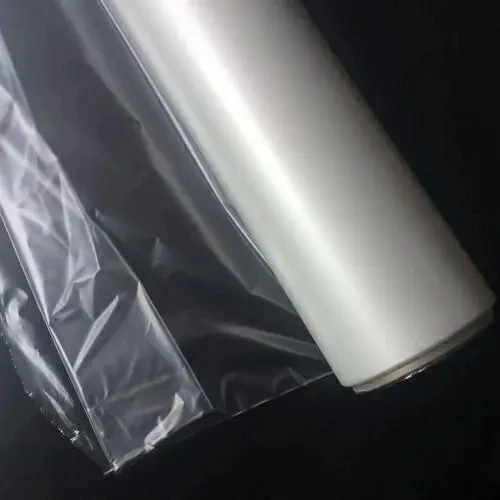
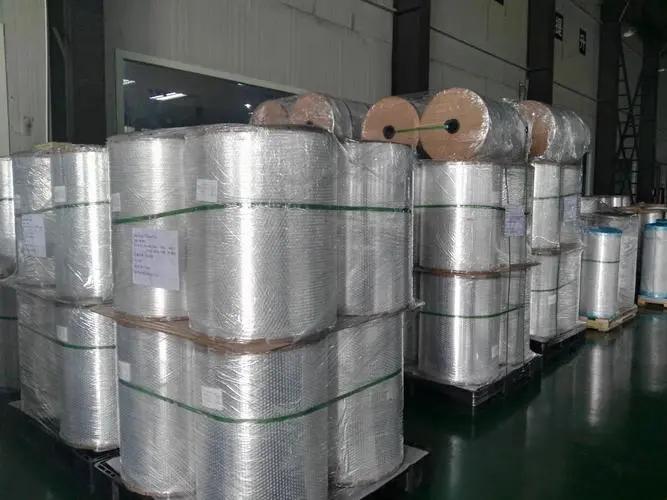
If you are interested in using TPU hot melt adhesive for bonding polyurethane in your projects, we are here to help. We offer a wide range of TPU Hot Melt Adhesive Film products with different properties to meet your specific needs. Contact us to discuss your requirements and start a procurement negotiation. We look forward to working with you to achieve the best bonding results.
References
- "Handbook of Adhesives and Sealants", edited by A. Pizzi and K. L. Mittal
- "Polyurethane Handbook", edited by G. Oertel