

When it comes to air beds, one of the key considerations for users is the ease of cleaning. An air bed that is simple to clean not only ensures a hygienic resting environment but also extends the lifespan of the product. As a supplier of TPU Film for Air Bed, I've had in - depth experience and knowledge about the cleaning properties of TPU film compared to other materials commonly used in air beds.
TPU Film: An Overview
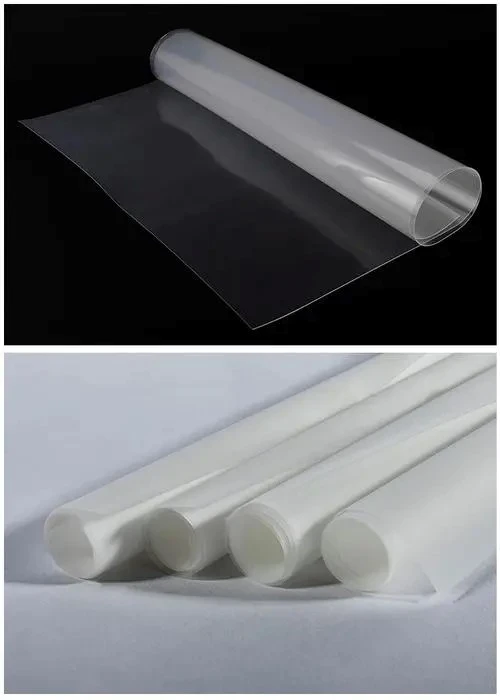
TPU, or Thermoplastic Polyurethane, is a versatile material known for its excellent physical properties. It combines the elasticity of rubber with the strength and processability of plastic. Our TPU Film for Air Mattress is specifically engineered to meet the requirements of air beds, offering durability, flexibility, and chemical resistance.
Ease of Surface Cleaning
One of the primary advantages of TPU film for air beds is its smooth surface. Unlike materials such as PVC (Polyvinyl Chloride) which may have a slightly porous surface, TPU film has a non - porous and uniform finish. This means that dirt, dust, and spills do not penetrate the material easily. When a spill occurs on an air bed made of TPU film, it simply sits on the surface. A quick wipe with a damp cloth is often sufficient to remove most stains. In contrast, porous materials can absorb liquids, making it more difficult to clean and potentially leading to the growth of mold and mildew over time.
Moreover, TPU film is resistant to many common household chemicals. This allows for the use of mild cleaning agents to tackle tougher stains. For example, a solution of mild dish soap and water can be used to clean stubborn dirt or sticky residues. The chemical resistance of TPU film ensures that the cleaning agents do not damage the material, maintaining its integrity and appearance.
Resistance to Bacteria and Mold
Bacteria and mold are major concerns when it comes to air beds, especially those used in humid environments or by individuals with sensitive skin. TPU film has inherent anti - microbial properties. Its non - porous surface does not provide a suitable environment for bacteria and mold to grow. In comparison, materials like fabric - covered air beds can trap moisture and organic matter, creating an ideal breeding ground for these microorganisms.
Our Medical Grade TPU Film takes this a step further. It is designed to meet strict medical standards, which means it has enhanced anti - microbial capabilities. This makes it an excellent choice for air beds used in medical settings, such as hospitals or nursing homes, where hygiene is of utmost importance.
Cleaning in Hard - to - Reach Areas
Air beds often have seams, corners, and edges that can be difficult to clean. TPU film's flexibility allows for easy access to these areas. It can be bent and manipulated without losing its shape, making it possible to clean every nook and cranny of the air bed. Some other materials may be rigid or prone to cracking when bent, which can make cleaning hard - to - reach areas a challenge.
Comparison with Other Common Air Bed Materials
PVC (Polyvinyl Chloride)
PVC is a widely used material in air beds due to its low cost. However, it has several drawbacks when it comes to cleaning. As mentioned earlier, PVC can be porous, which makes it more difficult to clean spills and stains. Additionally, PVC may release plasticizers over time, which can attract dirt and make the surface sticky. This sticky residue can be challenging to remove and may require the use of specialized cleaning products.

Fabric
Fabric - covered air beds offer a soft and comfortable feel. However, they are extremely difficult to clean. Spills can soak deep into the fabric, and it may be necessary to remove the fabric cover and wash it, which can be time - consuming and may not always be possible. Moreover, fabric is more prone to wear and tear, and repeated washing can damage the material.
Long - Term Cleaning and Maintenance
TPU film is also easy to maintain in the long term. Regular cleaning with a mild soap solution and a soft cloth can keep the air bed looking and performing like new for years. Unlike some materials that may degrade or discolor over time due to cleaning, TPU film retains its color and physical properties. This reduces the need for frequent replacement of the air bed, saving users both time and money.
Application in Medical Settings
In medical settings, the ease of cleaning is crucial. Our Medical Surgical Film is used in air beds for patients. These air beds need to be cleaned regularly to prevent the spread of infections. The non - porous and anti - microbial properties of TPU film make it an ideal choice. It can be quickly and effectively cleaned between patient uses, ensuring a safe and hygienic environment.
Conclusion
In conclusion, TPU film for air beds is significantly easier to clean compared to other materials. Its non - porous surface, resistance to bacteria and mold, flexibility for cleaning hard - to - reach areas, and long - term durability make it a superior choice for air bed manufacturers and users alike. Whether it's for home use, camping, or medical applications, TPU film offers a hassle - free cleaning experience.
If you are in the market for high - quality TPU film for your air bed products, we are here to help. Our team of experts can provide you with detailed information about our products and assist you in finding the best solution for your needs. Contact us to start a procurement discussion and take advantage of the many benefits that our TPU film has to offer.
References
- "Thermoplastic Polyurethane (TPU): Properties, Processing, and Applications" by Mark A. Weiss
- "Materials Science for Engineers" by Donald Askeland and Pradeep Fulay
- "Medical Device Materials and Their Applications" edited by David Williams