

Polyurethane film, a versatile and widely used material, has found its place in various industries, from industrial applications to medical fields. As a leading Polyurethane Film supplier, we understand the importance of maintaining the quality and longevity of this material. One crucial aspect of this is choosing the right cleaning agents. In this blog post, we will explore what cleaning agents are suitable for Polyurethane Film, taking into account its unique properties and the different environments in which it is used.
Understanding Polyurethane Film
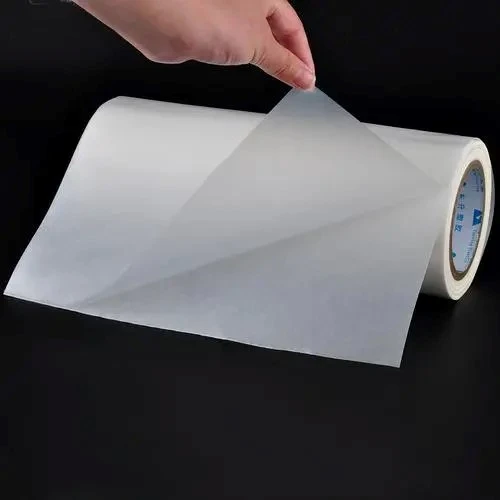
Before delving into the suitable cleaning agents, it's essential to understand what Polyurethane Film is. Polyurethane Film is a type of plastic film made from polyurethane, a polymer composed of organic units joined by carbamate (urethane) links. This film offers excellent properties such as high flexibility, abrasion resistance, chemical resistance, and good mechanical strength. It can be used in a wide range of applications, including Polyurethane Film for packaging, Pu Film for Industrial use, and Polyurethane Film Medical applications.
Factors to Consider When Choosing Cleaning Agents
When selecting cleaning agents for Polyurethane Film, several factors need to be considered:
Compatibility
The cleaning agent must be compatible with the polyurethane material. Some chemicals can react with the film, causing it to degrade, discolor, or lose its mechanical properties. For example, strong solvents like acetone or toluene can dissolve or swell the polyurethane film, leading to damage. Therefore, it's crucial to choose a cleaning agent that is specifically formulated for use on polyurethane materials.
Cleaning Power
The cleaning agent should have sufficient cleaning power to remove dirt, grease, and other contaminants from the film surface. However, it should not be so aggressive that it damages the film. The type of contaminants and the level of soiling will determine the strength of the cleaning agent required.
Safety
Safety is of utmost importance, especially when the Polyurethane Film is used in medical or food packaging applications. The cleaning agent should be non-toxic, non-corrosive, and free from harmful chemicals such as heavy metals and volatile organic compounds (VOCs). It should also be safe for the environment and comply with relevant safety regulations.
Ease of Use
The cleaning agent should be easy to apply and remove. It should not require excessive scrubbing or rinsing, which can damage the film. Additionally, it should dry quickly without leaving any residue on the film surface.
Suitable Cleaning Agents for Polyurethane Film
Mild Detergents
Mild detergents are often the first choice for cleaning Polyurethane Film. They are gentle on the film and can effectively remove dirt and light stains. Look for detergents that are specifically formulated for use on plastics or sensitive surfaces. These detergents usually contain mild surfactants that can break down dirt and grease without damaging the film.
To use a mild detergent, dilute it in water according to the manufacturer's instructions. Then, use a soft cloth or sponge to apply the solution to the film surface. Gently wipe the surface in a circular motion, paying attention to any areas with stubborn stains. Rinse the film thoroughly with clean water to remove any detergent residue. Finally, dry the film with a soft, lint-free cloth.
Isopropyl Alcohol
Isopropyl alcohol, also known as rubbing alcohol, is a common cleaning agent that can be used on Polyurethane Film. It is a mild solvent that can effectively remove grease, oil, and some types of adhesives. Isopropyl alcohol evaporates quickly, leaving no residue on the film surface.
To use isopropyl alcohol, apply a small amount to a soft cloth or cotton ball. Gently wipe the film surface, focusing on the areas with stains or contaminants. Avoid using excessive amounts of alcohol, as it can cause the film to dry out and become brittle. After cleaning, rinse the film with water and dry it thoroughly.
Ammonia-Based Cleaners
Ammonia-based cleaners can be used to clean Polyurethane Film, but they should be used with caution. Ammonia is a strong alkaline cleaner that can effectively remove tough stains and grease. However, it can also damage the film if used in high concentrations or for an extended period.
If you choose to use an ammonia-based cleaner, make sure it is diluted according to the manufacturer's instructions. Apply the cleaner to a soft cloth or sponge, and gently wipe the film surface. Rinse the film thoroughly with water to remove any ammonia residue. Do not use ammonia-based cleaners on films that are in contact with food or medical products, as ammonia can be toxic.
Specialized Polyurethane Cleaners
There are also specialized cleaners available on the market that are specifically formulated for cleaning Polyurethane Film. These cleaners are designed to be gentle on the film while providing effective cleaning power. They often contain additives that can protect the film from damage and enhance its durability.

When using a specialized polyurethane cleaner, follow the manufacturer's instructions carefully. Apply the cleaner to the film surface using a soft cloth or sponge, and gently wipe the surface in a circular motion. Rinse the film thoroughly with water and dry it with a soft, lint-free cloth.
Cleaning Tips for Different Applications
Industrial Applications
In industrial settings, Polyurethane Film may be exposed to heavy dirt, grease, and chemicals. To clean the film in these environments, it's important to choose a cleaning agent that is strong enough to remove the contaminants but gentle enough not to damage the film.
For heavy soiling, you may need to use a more aggressive cleaning agent, such as an industrial-strength degreaser. However, make sure to test the cleaner on a small, inconspicuous area of the film first to ensure it does not cause any damage. After cleaning, rinse the film thoroughly with water to remove any cleaner residue.
Medical Applications
In medical applications, the cleanliness of Polyurethane Film is crucial to prevent the spread of infections. When cleaning medical-grade Polyurethane Film, it's important to use a cleaning agent that is approved for use in medical environments and is non-toxic.
Mild detergents or specialized medical cleaners are often the best choice for cleaning medical-grade Polyurethane Film. These cleaners can effectively remove dirt and bacteria without leaving any harmful residues on the film surface. After cleaning, the film should be sterilized according to the appropriate medical procedures.
Packaging Applications
In packaging applications, Polyurethane Film may come into contact with food or other products. Therefore, it's important to use a cleaning agent that is safe for use in food contact applications.
Mild detergents or food-grade cleaning agents are suitable for cleaning Polyurethane Film used in packaging. These cleaners can effectively remove dirt and contaminants without leaving any harmful residues on the film surface. After cleaning, the film should be thoroughly rinsed with water to ensure it is free from any cleaning agent residue.
Conclusion
Choosing the right cleaning agents for Polyurethane Film is essential to maintain its quality and longevity. By considering factors such as compatibility, cleaning power, safety, and ease of use, you can select the most suitable cleaning agent for your specific application. Whether you are using Polyurethane Film in industrial, medical, or packaging applications, there are cleaning agents available that can effectively clean the film without causing damage.
As a leading Polyurethane Film supplier, we are committed to providing our customers with high-quality products and comprehensive support. If you have any questions about cleaning Polyurethane Film or need assistance in choosing the right cleaning agents, please do not hesitate to contact us. We look forward to discussing your requirements and helping you find the best solutions for your business.
References
- "Polyurethane: Properties, Applications, and Technology." Edited by K. C. Frisch and S. L. Reegan. Hanser Publishers, 1987.
- "Plastics in Medical Devices: Properties, Requirements, and Applications." Edited by S. M. Alavi and A. S. Hamad. Woodhead Publishing, 2012.
- "Cleaning and Maintenance of Plastics." By R. A. Wessling. Plastics Design Library, 2001.