

When it comes to the application of adhesive films, one question that often arises is whether TPU adhesive film is suitable for curved surfaces. As a TPU adhesive film supplier, I have encountered numerous inquiries from customers regarding this specific aspect. In this blog post, I will delve into the characteristics of TPU adhesive film and analyze its compatibility with curved surfaces.
Understanding TPU Adhesive Film
TPU, or thermoplastic polyurethane, is a versatile material known for its excellent mechanical properties, such as high elasticity, abrasion resistance, and chemical resistance. TPU adhesive films are made by combining TPU with adhesive substances, which can be used to bond different materials together. These films are widely used in various industries, including textiles, automotive, electronics, and footwear, due to their superior performance and ease of use.
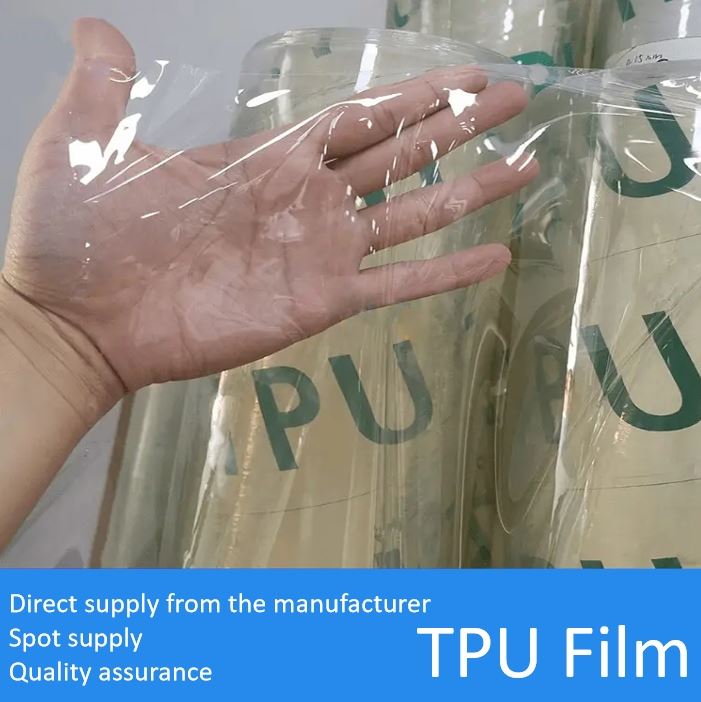
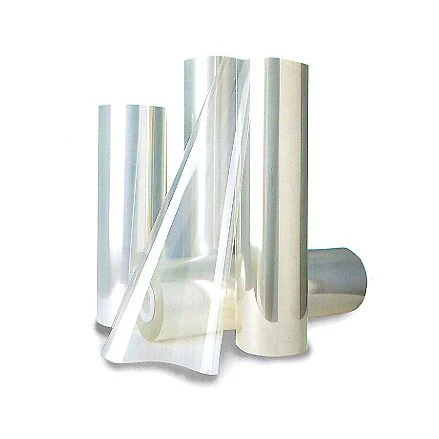
There are different types of TPU adhesive films available in the market, each with its own unique properties and applications. For instance, Hot-melt Adhesive Leather Film for Laminating with Fabrics is specifically designed for laminating leather and fabrics, providing a strong and durable bond. On the other hand, Polyurethane Hot Melt Adhesive Film offers excellent adhesion to a wide range of materials, making it suitable for various bonding applications. And Hot-melt Adhesive Pvc Film for Laminating with Fabrics is ideal for laminating PVC materials with fabrics, ensuring a tight and long-lasting bond.
Factors Affecting the Suitability of TPU Adhesive Film for Curved Surfaces
To determine whether TPU adhesive film is suitable for curved surfaces, several factors need to be considered:
1. Flexibility
One of the key advantages of TPU adhesive film is its high flexibility. TPU itself is a highly elastic material, which allows the adhesive film to conform to curved surfaces without cracking or peeling. This flexibility is crucial when bonding materials on curved objects, as it ensures a uniform and secure bond. For example, in the automotive industry, TPU adhesive films are often used to bond interior trim components, such as dashboard covers and door panels, which typically have curved surfaces. The flexibility of the TPU adhesive film enables it to follow the contours of these components, providing a seamless and aesthetically pleasing finish.
2. Adhesion Strength
The adhesion strength of the TPU adhesive film is another important factor. It needs to be strong enough to hold the materials together firmly on the curved surface, even under different environmental conditions. High - quality TPU adhesive films are formulated to provide excellent adhesion to a variety of substrates, including plastics, metals, and textiles. However, the adhesion strength can be affected by factors such as surface roughness, cleanliness, and the presence of contaminants. Therefore, proper surface preparation is essential to ensure optimal adhesion on curved surfaces. For example, cleaning the surface with a suitable solvent and roughening it slightly can improve the bonding performance of the TPU adhesive film.
3. Temperature Resistance
Curved surfaces may be exposed to different temperatures, especially in applications such as automotive and outdoor products. TPU adhesive films should have good temperature resistance to maintain their adhesion and mechanical properties over a wide temperature range. Some TPU adhesive films are designed to withstand high temperatures, which is important for applications where the bonded parts may be exposed to heat, such as near engines or in direct sunlight. On the other hand, they also need to remain flexible and adhesive at low temperatures to prevent cracking or delamination.
4. Thickness
The thickness of the TPU adhesive film can also impact its suitability for curved surfaces. Thicker films may be more rigid and less likely to conform to complex curves, while thinner films are generally more flexible but may have lower tear resistance. Therefore, choosing the appropriate thickness of the TPU adhesive film is crucial based on the specific requirements of the application. For example, for gently curved surfaces, a thinner film may be sufficient, while for more sharply curved surfaces, a slightly thicker film with good flexibility may be needed.
Applications of TPU Adhesive Film on Curved Surfaces
There are many practical applications where TPU adhesive film is successfully used on curved surfaces:
1. Consumer Electronics
In the consumer electronics industry, TPU adhesive films are used to bond components on curved screens and casings. For example, smartphones with curved displays often use TPU adhesive films to attach the touch - sensitive layer to the curved glass screen. The flexibility of the TPU adhesive film allows it to bond the components securely without interfering with the functionality of the device.
2. Footwear
In the footwear industry, TPU adhesive films are used to bond various parts of shoes, including the upper to the sole. Many modern shoes have curved shapes, and the TPU adhesive film can conform to these curves, providing a strong and durable bond. This not only enhances the structural integrity of the shoe but also improves its aesthetic appearance.
3. Medical Devices
Medical devices often have curved surfaces, such as prosthetics and orthopedic braces. TPU adhesive films are used to bond different materials in these devices due to their biocompatibility, flexibility, and adhesion strength. They can ensure that the components of the medical device stay in place and function properly, even on curved body parts.
Testing and Quality Assurance
To ensure the suitability of TPU adhesive film for curved surfaces, rigorous testing is required. This includes bend testing to evaluate the film's ability to conform to different curvatures without losing adhesion, temperature cycling tests to assess its performance under varying temperatures, and peel strength tests to measure the bond strength on curved surfaces. By conducting these tests, we can guarantee that our TPU adhesive films meet the high - quality standards required for curved surface applications.
Conclusion
In conclusion, TPU adhesive film is generally suitable for curved surfaces due to its flexibility, adhesion strength, temperature resistance, and other favorable properties. However, careful consideration of factors such as surface preparation, film thickness, and environmental conditions is necessary to ensure optimal performance. As a TPU adhesive film supplier, we are committed to providing high - quality products that meet the diverse needs of our customers, especially in applications involving curved surfaces.
If you are interested in our TPU adhesive films for your curved surface bonding applications, please feel free to contact us for more information and to start a procurement negotiation. We are here to help you find the best solution for your specific requirements.
References
- Smith, J. (2018). "Advances in Thermoplastic Polyurethane Adhesive Technology". Journal of Adhesive Science and Technology, 32(12), 1456 - 1472.
- Johnson, A. (2019). "Applications of TPU Adhesive Films in Automotive Interiors". Automotive Engineering Journal, 45(3), 78 - 85.
- Brown, C. (2020). "Flexible Adhesive Films for Consumer Electronics". Electronics Manufacturing Review, 28(4), 56 - 62.