

Hey there! As a TPU adhesive film supplier, I often get asked whether TPU adhesive film is environmentally friendly. Well, let's dive right into this topic and break it down.
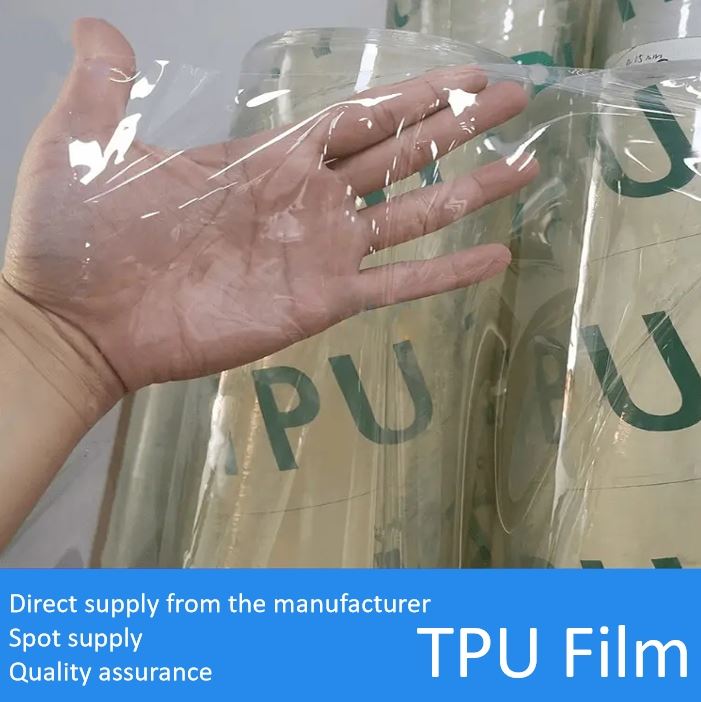
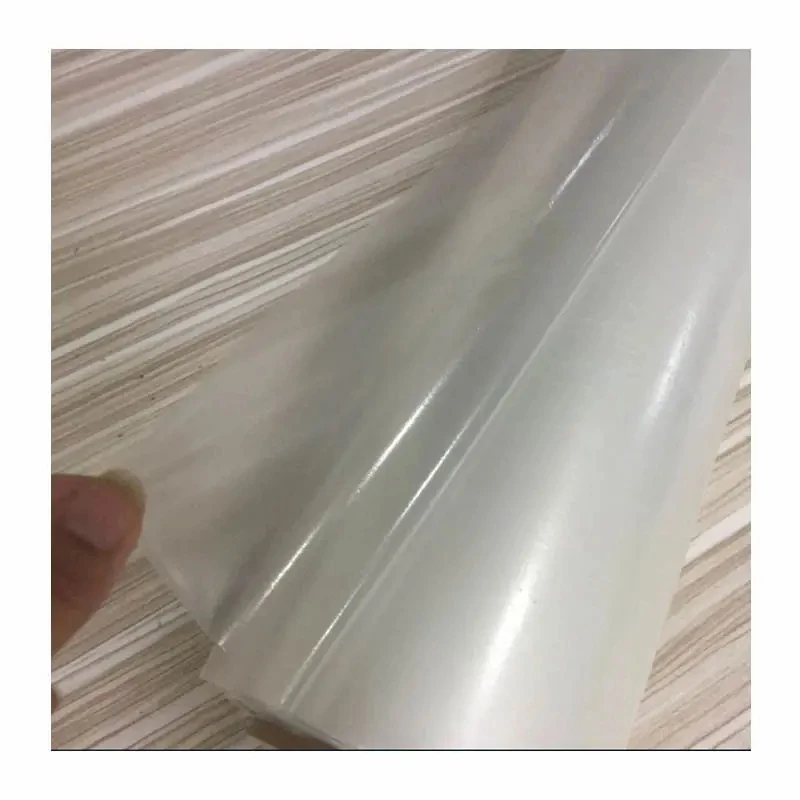
First off, what exactly is TPU adhesive film? TPU stands for thermoplastic polyurethane. It's a type of polymer that has a wide range of applications, especially in the adhesive film industry. You can find it in various products, from shoes to clothing and even electronics.
Let's start by looking at the production process. When it comes to making TPU adhesive film, it generally involves fewer harmful chemicals compared to some other types of adhesives. For instance, traditional solvent - based adhesives often release volatile organic compounds (VOCs) during production and use. VOCs are not only bad for the environment but can also be harmful to human health. They can contribute to air pollution and even cause respiratory problems.
On the other hand, TPU adhesive film is usually produced in a more eco - friendly way. Most of the time, it's made through a hot - melt process. In this process, the TPU material is heated until it becomes molten and then applied as an adhesive. There are no solvents involved, which means no VOC emissions. This is a huge plus for the environment, as it reduces air pollution and the overall carbon footprint of the production process.
Another aspect to consider is the durability of TPU adhesive film. It's known for its excellent strength and flexibility. This means that products bonded with TPU adhesive film tend to last longer. When products last longer, it reduces the need for frequent replacements. And fewer replacements mean less waste going into landfills. For example, in the shoe industry, using Hot Melt Adhesive Film for Shoe Sole can make shoes more durable. This not only saves money for the consumers but also has a positive impact on the environment by reducing waste.
TPU adhesive film is also recyclable. Once the product reaches the end of its life cycle, the TPU material can be collected and recycled. Recycling helps to conserve natural resources and reduces the energy required to produce new materials. Compared to non - recyclable adhesives, this is a significant advantage. For instance, if you're using Polyurethane Hot Melt Adhesive Film in your manufacturing process, you can be more confident that you're making an environmentally responsible choice.
Now, let's talk about its performance in different environments. TPU adhesive film has good resistance to water, oil, and chemicals. This means that it can be used in various applications without degrading quickly. For example, in outdoor products, it can withstand harsh weather conditions. This durability reduces the need for re - bonding or replacement, which in turn saves resources and reduces waste.
In addition, TPU adhesive film is non - toxic. It doesn't contain harmful substances like heavy metals or phthalates. This is important not only for the environment but also for the safety of the people using the products. For example, in the textile industry, using Heat Pressing Adhesive Film ensures that the clothing is safe for consumers to wear.
However, it's not all perfect. There are still some challenges when it comes to the environmental friendliness of TPU adhesive film. One issue is the energy consumption during the production process. Heating the TPU material to its molten state requires a significant amount of energy. If this energy comes from non - renewable sources like coal or oil, it can still have a negative impact on the environment. But many manufacturers are now looking into using renewable energy sources to power their production facilities.
Another challenge is the collection and recycling infrastructure. Although TPU adhesive film is recyclable, the current recycling system may not be well - developed in some areas. This means that a lot of potentially recyclable TPU material may end up in landfills. But as more people become aware of the importance of recycling, we can expect to see improvements in this area.
Overall, I'd say that TPU adhesive film is relatively environmentally friendly. Its low VOC emissions, durability, recyclability, and non - toxicity make it a good choice for many applications. Of course, there are still areas for improvement, but the trend is moving in the right direction.
If you're in the market for TPU adhesive film, whether it's for shoe manufacturing, textile production, or any other application, I encourage you to consider the environmental benefits. And if you have any questions or want to discuss your specific needs, feel free to reach out. We're here to help you make the best choice for your business and the environment.
If you're interested in purchasing TPU adhesive film, don't hesitate to get in touch. We can provide you with high - quality products and professional advice. Let's work together to make our world a greener place while achieving your business goals.
References
- "Handbook of Thermoplastic Elastomers", edited by B. M. Walker and C. P. Rader
- "Polymer Science and Technology", by R. L. Stephenson